

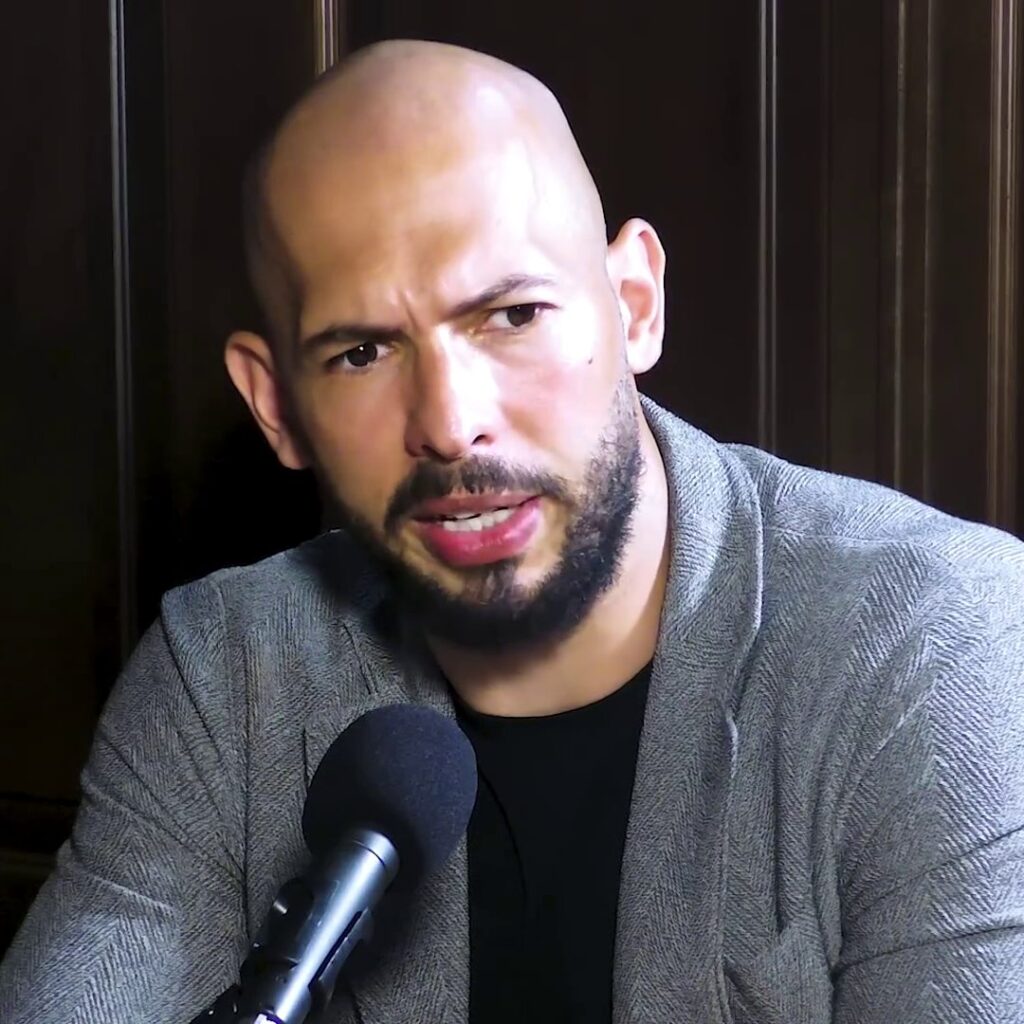
A federal magistrate judge in Miami denied bail for Andrew and Tristan Tate on Tuesday, ordering the brothers to remain in federal detention while they fight extradition to the United Kingdom on a combined 59 charges tied to rape, sexual assault and human trafficking.
U.S. Magistrate Judge Lauren Louis ruled that the brothers “failed to demonstrate that special circumstances here warrant relief,” siding with federal prosecutors who argued Andrew and Tristan Tate present both a flight risk and a danger to the community. The ruling followed an hours-long detention hearing on August 27 at the C. Clyde Atkins U.S. Courthouse in Miami, where prosecutors pointed to the brothers’ access to private jets, boats and multiple passports, along with their public statements about their wealth, as evidence they could flee if released.
Why did the judge reject the bail request?
Defense attorneys argued the brothers are not flight risks because they had repeatedly returned to Romania to check in with authorities while facing similar charges there. Attorney Joe McBride, who represents the brothers, criticized the process as placing the entire burden on defendants before UK prosecutors have even submitted their supporting evidence, telling reporters the arrangement amounts to “detention first, evidence later, maybe.” Judge Louis was not persuaded, finding the defense had not met its burden under U.S. law to justify release pending the extradition proceedings.

Andrew and Tristan Tate have been held in federal custody since U.S. Marshals arrested them in Miami on July 18. British prosecutors, working from evidence gathered by Bedfordshire Police, have filed 21 initial charges against the brothers jointly, with Andrew Tate facing an additional seven counts of rape along with charges of making and distributing indecent images of children and possessing extreme pornography. Tristan Tate faces six additional counts of rape, sexual assault and sexual exploitation. Both brothers deny all wrongdoing.
What happens next in the extradition case?
The case now turns to a September 16 deadline, by which UK authorities must formally submit the evidence supporting their extradition request to the U.S. government. A U.S. district judge will later decide whether that evidence meets the legal standard required to extradite the brothers to Britain. Andrew and Tristan Tate also face separate, ongoing criminal proceedings in Romania on charges including human trafficking, trafficking of minors, money laundering and forming an organized criminal group, charges they have likewise denied. Romanian courts have separately upheld rulings denying the brothers release on bail in that case.
With bail denied in the Miami proceedings, Andrew and Tristan Tate will remain in federal detention at least through the September 16 filing deadline, and likely well beyond it while a district judge weighs the extradition request.
Related from BeezLoop: Britain Filed Its Full Extradition Case Against the Tate Brothers, The White House & Trump Won't Intervene in the Tate Brothers' Extradition Case (Updated) and TikTok Is Accused of Burying Posts About Trump, Epstein and Andrew Tate.






[…] covered the bail denial earlier this month. This is the step that turns a provisional arrest into an actual extradition […]