
Australia is evacuating all staff from its remote research station on Macquarie Island, a sub-Antarctic outpost between Tasmania and Antarctica, not because of any confirmed human infection, but over what officials are calling the psychological toll of potentially witnessing mass wildlife deaths from bird flu.
Why the Island Is at Risk
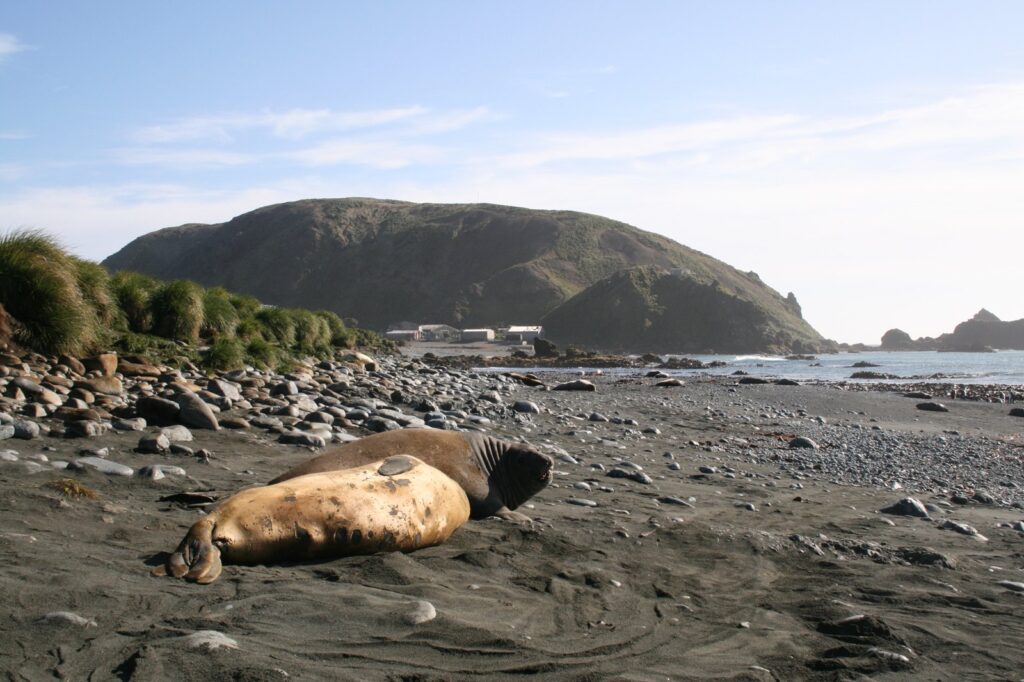
Macquarie Island hosts thousands of elephant seals and royal penguins, species highly susceptible to the H5N1 avian influenza strain that has been spreading through wildlife populations globally. No cases have been confirmed on Macquarie itself, but officials expect the virus to arrive during the island’s breeding season, which runs from September through November, and anticipate significant animal die-offs if it does.
An Evacuation Based on Mental Health, Not Infection Risk
Officials say the risk of the virus spreading to humans is considered low. Instead, the evacuation is explicitly framed around what officials described as the “psychosocial risks of living near potentially large numbers of affected animals,” making this the first time Australia has pulled staff from a research station primarily over the emotional toll of witnessing a wildlife die-off rather than a direct health threat to people.
The Broader Pattern
The concern isn’t hypothetical: officials reported in June that thousands of elephant seal pups had already died of bird flu on Australia’s Heard and McDonald Islands, another remote sub-Antarctic territory. Macquarie’s 24 tradespeople, scientists, and support staff are scheduled to be evacuated aboard the icebreaker RSV Nuyina in September or early October.
Related from BeezLoop: Australia Unveils Digital Duty of Care Bill Letting Users Turn Off Social Media Algorithms, Wolf Removal Orders Reignite Rancher-Conservationist Clash in the Southwest and 21,500 People Signed a Petition to Save a Bear That Had Entered Nine Homes.