

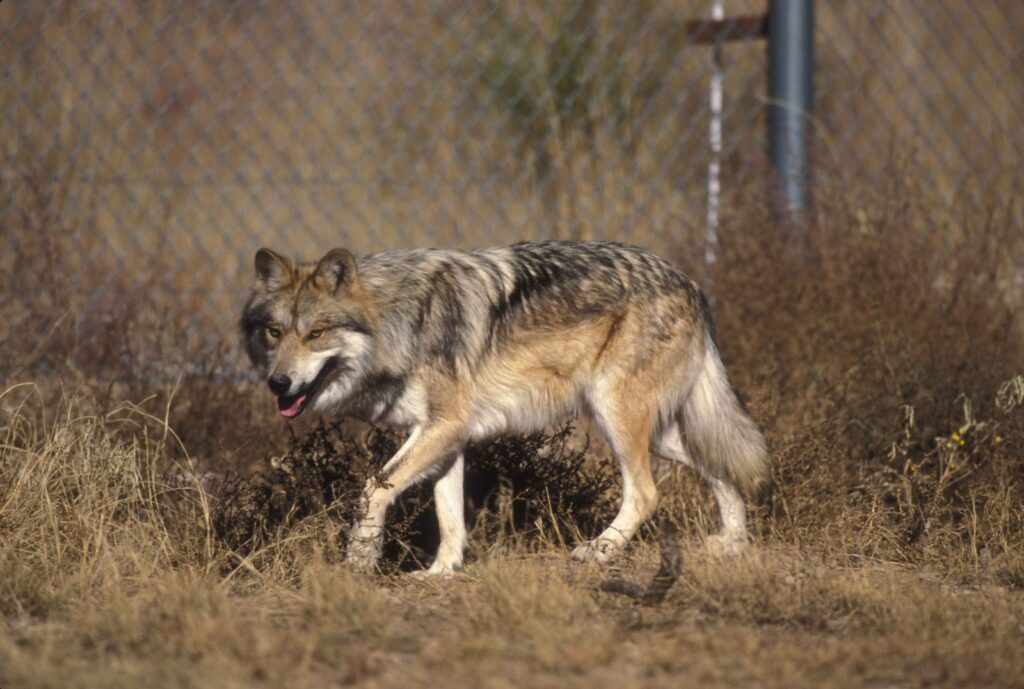
Federal wildlife officials issued removal orders for two Mexican gray wolves this month after reports of killed and injured livestock, reigniting a long-running conflict between ranchers and conservationists over how to manage the endangered species’ recovery in Arizona and New Mexico.
Why Ranchers Want the Wolves Removed
Cattle ranchers in the region say wolf predation directly hits their bottom line, with some losing several calves a year to wolf kills, at a time when the size of the national cattle herd is already at a 75-year low and beef prices are at records. The New Mexico Cattle Growers’ Association has told Congress the wolves represent a direct threat to ranching operations.
Why Removal Orders Keep Recurring in the Same Areas
This isn’t the first removal order tied to this particular area: one wolf was killed in the same location in May, but officials say that action only temporarily stopped the livestock kills before conflict resumed. Conservation groups argue that repeatedly removing individual wolves from the same spots is a sign the underlying approach isn’t working, rather than a long-term fix.

What Conservationists Are Proposing Instead
Advocacy groups are pushing for more proactive, adaptive conflict-prevention measures, range riders, fencing changes, carcass removal to avoid attracting wolves, that they say could reduce livestock losses without requiring wolves to be repeatedly killed or relocated from the same territory.
Why the Standoff Persists
The Mexican gray wolf remains listed under the Endangered Species Act, and the Trump administration has moved to give ranchers more latitude to kill wolves that threaten livestock, a shift that conservationists argue undercuts the species’ recovery even as ranchers say it’s the minimum protection their livelihoods need.
Related from BeezLoop: Australia Evacuates Research Staff From Remote Island Over Bird Flu's Toll on Wildlife, 21,500 People Signed a Petition to Save a Bear That Had Entered Nine Homes and We Thought We Knew the World's Cats.