
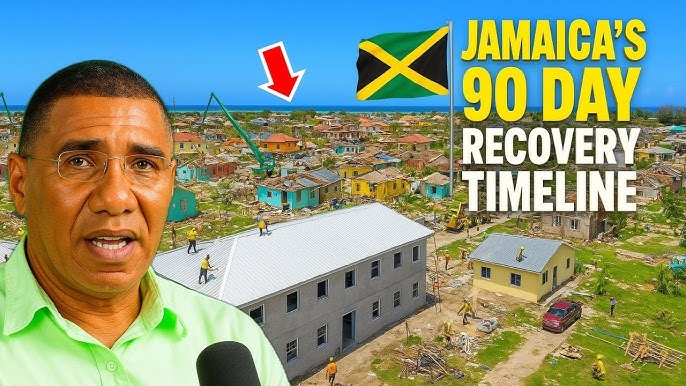
Jamaica’s economy contracted 2.9 percent in the April-to-June quarter of 2026, still weighed down by Hurricane Melissa’s fallout. But the Planning Institute of Jamaica (PIOJ) used its quarterly briefing this week to deliver a notably more optimistic number alongside it: the projected timeline for getting back to pre-hurricane output levels has been shortened from roughly three years down to one and a half to two years, putting a full return to pre-Melissa output within reach by the April-to-June quarter of 2027.
PIOJ Director General Dr. Wayne Henry was careful to draw a distinction that’s easy to miss in the headline number: returning to pre-Melissa output isn’t the same thing as full recovery. Rebuilding damaged housing stock, public infrastructure, and disrupted livelihoods, Henry said, will realistically take three to five years, well beyond the output-level milestone getting all the attention. The PIOJ is also forecasting a further contraction of 0.5 to 1.5 percent for the July-to-September quarter, before growth of 1 to 3 percent resumes in the 2026/27 fiscal year.
Why the Timeline Moved Up
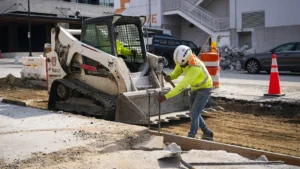
A shortened recovery estimate a year after a major hurricane usually reflects one of two things: either the damage was less severe than first modeled, or the pace of on-the-ground rebuilding outperformed the original assumptions baked into the forecast. Reporting on the PIOJ’s numbers points to the second explanation, faster-than-expected recovery across most industries, rather than a downward revision of how bad the initial damage was. Construction crews, farmers replanting damaged acreage, and small business owners reopening storefronts don’t wait on GDP models before rebuilding, and that on-the-ground pace is a real input the PIOJ’s revised timeline is now reflecting.

The Gap Between the Headline Number and Actual Recovery
It’s worth being precise about what “pre-Melissa output” actually measures: it’s a macroeconomic benchmark, gross output returning to where it was before the storm, not a measure of whether displaced families have permanent roofs over their heads or whether damaged schools and clinics are fully rebuilt. Henry’s own three-to-five-year estimate for full recovery is the more honest number for anyone trying to gauge when the hurricane’s actual human impact will be resolved, and it’s the one likely to get far less attention than the shorter, more optimistic output timeline.
The forecast is good news relative to where things stood right after the hurricane. It just shouldn’t be mistaken for the finish line.
What do you think? Is a “return to pre-hurricane output” the right benchmark for measuring recovery, or should coverage focus more on the three-to-five-year rebuilding timeline instead? Let us know your thoughts in the comments on BeezLoop.com!
Related from BeezLoop: The Price of Resilience: Hurricane Melissa's Catastrophic Aftermath in Jamaica, Jamaican Doctor Pleads Guilty in $600 Million Mortgage Fraud Scheme and July Jobs Report Showed 23,000 Losses as GOP Touts a 'Roaring' Economy.