
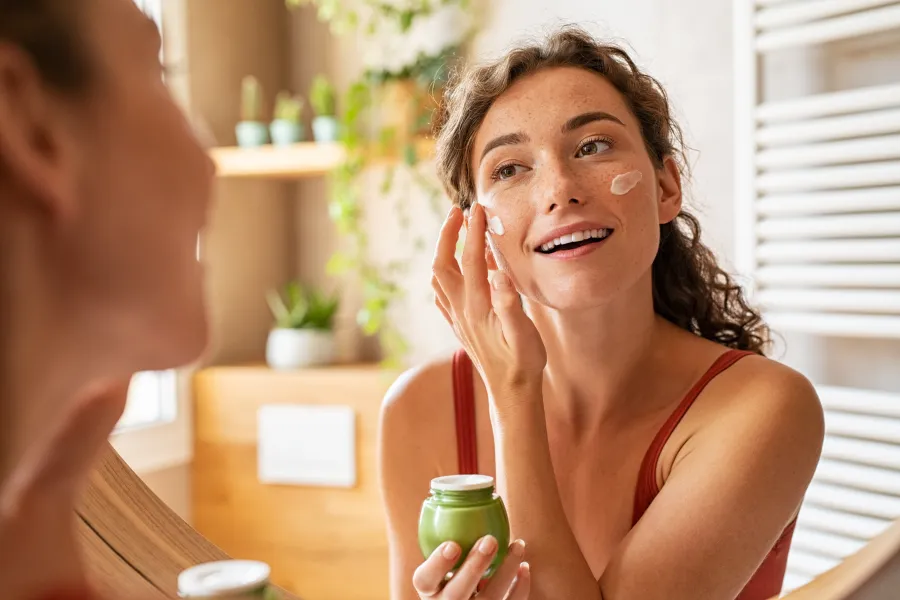
“Clean beauty” is one of the fastest-growing categories in cosmetics, and according to a recent industry survey, most shoppers buying into it can’t actually explain what the label means. That’s not really their fault. In the U.S., “clean,” “natural,” and “non-toxic” have no legal definition when it comes to skincare and makeup, so a brand can print a green leaf on the packaging and call the contents clean without changing a single ingredient inside the bottle.
That gap between marketing and chemistry is where the premium comes from. Brands like Ogee can charge roughly double what a comparable conventional product costs, banking on the assumption that shoppers will pay extra for the word “clean” itself. The pitch works because it leans on a real but poorly understood anxiety about synthetic chemicals, even though, strictly speaking, every ingredient in every product, including water, is a chemical. The word “chemical” isn’t the problem; the specific ingredient and the dose are what actually matter, and that’s exactly the nuance a green leaf on a bottle skips over.
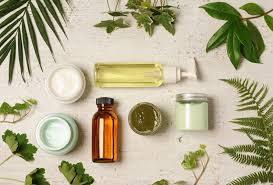
None of this means every clean beauty product is a scam or that ingredient sourcing never matters. It means the label itself isn’t a reliable signal of anything, since there’s no regulatory body checking whether a “clean” claim is true before it goes on a shelf. If you actually want to know what you’re putting on your skin, the ingredient list on the back of the bottle tells you more than any claim on the front ever will.
Related from BeezLoop: The CDC Says One Person Died of Measles This Year, Health Insurers Want 15% More in 2027. The Subsidies That Cushioned the Last Increase Are… and We Told You Employers Were Cutting Weight-Loss Drug Coverage.