
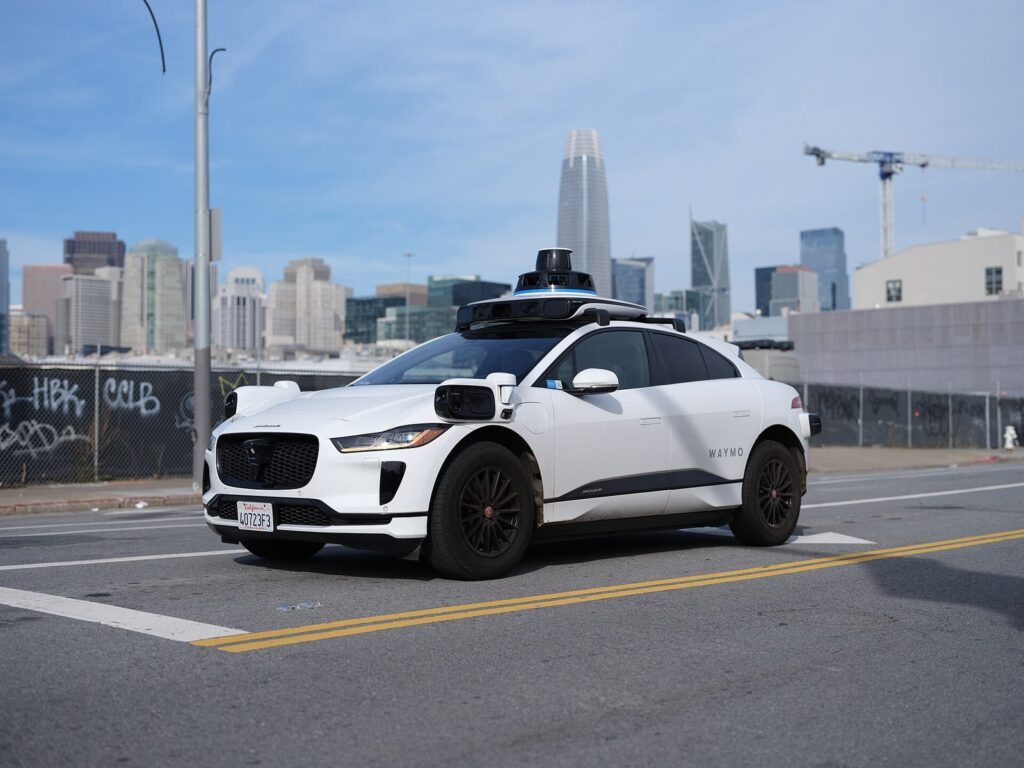
Waymo filed two safety recalls with federal regulators Thursday over how its driverless cars handle closed freeway lanes and police directing traffic, Reuters reported. It comes days after the company pulled its robotaxis off freeways in every U.S. city, following a California ban.
Your Waymo will still pick you up. It just won’t take the highway for now. “Our ride-hailing service continues to operate safely on surface streets, serving over half a million trips each week,” the company told Electrek.
Why did California ban Waymo from freeways?
The California DMV ordered the pause on Nov. 11 after what it called multiple instances of Waymo vehicles entering active construction zones, Electrek reported. The order wasn’t public until Nov. 17. Electrek said a viral video, which showed a Waymo passing police cars that were blocking Interstate 280, added to the pressure. The DMV said earlier incidents had been flagged and fixed, but they kept happening. The ban stays until Waymo shows “effective corrective actions.”
Waymo then pulled freeway rides everywhere else too. “Safety is at the foundation of everything we do,” the company said, adding it had “temporarily restricted freeway operations across our other operating markets to evaluate our performance.” It said it’s working with California and other states “to resume freeway operations.”

What do the Waymo recalls fix?
They’re software recalls, not trips to a shop. According to Reuters:
- Closed freeway lanes. A Waymo “may enter and continue driving in a closed freeway lane.” No crashes or injuries were reported from these events. Waymo says it’s still working on the fix.
- Police directing traffic. After a collision in which a Waymo followed an officer’s hand signals and then got in the officer’s way, Waymo updated how its cars respond to manual traffic control at intersections. That update was finished Nov. 6.
Federal regulators are watching other issues too. Reuters said NHTSA opened a recall query the week before into Waymos passing school buses, covering nearly 3,000 vehicles.
Is Tesla’s robotaxi going the other way?
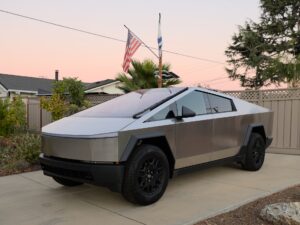
Yes. The same week, Tesla started public rides in its Cybercab, a two-seater with no steering wheel or pedals, in Dallas, its second city after Austin, Stocktwits reported. Tesla also opened ownership reservations to invited customers near Austin at $29,990, plus a $299 monthly autonomy subscription.
For New Yorkers, the robotaxi era still isn’t close. Waymo got a city permit last year to test in Manhattan and Brooklyn with a specialist behind the wheel, but there’s no driverless service here. Earlier this fall, a Waymo made news when it pulled over and called police on its own passengers.
The BeezLoop Take
Waymo did the responsible thing here: it pulled back everywhere instead of fighting California. But a construction zone isn’t a rare event. It’s every highway in America from April to November. If a company that’s logged more driverless miles than anyone can’t reliably read orange cones and a cop’s hand, the timeline for robotaxis on every highway just got longer.
Regulators in California forced this pause. Most states don’t have a DMV with the power or the will to do the same. Who’s checking the robotaxis there?
Sources: Electrek · Reuters via The Star · Stocktwits via TradingView · CNN (video)