
Honda and Toyota are recalling about 1.6 million vehicles worldwide over Takata airbag inflators that could rupture in a crash, including about 1.1 million in the United States. If you drive a 2012 or 2013 Civic or CR-V, or an older Corolla, Tundra or Sequoia, check your VIN today. The fix is free.
Here’s the twist: these are newer-style Takata inflators with a drying agent, the kind that weren’t supposed to have the problem. “Honda and Toyota saw early evidence of degradation risk in certain of their vehicles and are currently conducting proactive recalls of vehicles,” the National Highway Traffic Safety Administration said late Friday, Reuters reported.
Which Honda and Toyota models are in the airbag recall?
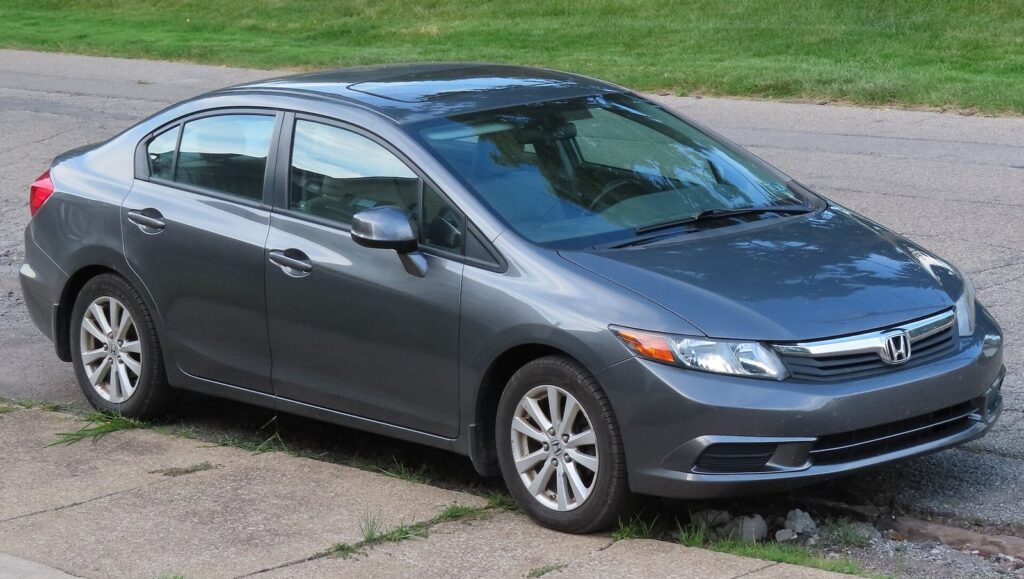
Honda and Acura (810,592 U.S. vehicles): some 2013 Honda Accords, 2012-2013 Honda Civics, 2012-2013 Honda CR-Vs, the 2013 Acura ILX and the 2013 Acura RDX. Honda’s recall covers cars originally sold or registered in hot, humid places: Alabama, California, Florida, Georgia, Hawaii, Louisiana, Mississippi, South Carolina, Texas, Puerto Rico, the U.S. Virgin Islands, Guam, the Northern Mariana Islands and American Samoa.

Toyota and Lexus (about 314,000 U.S. vehicles, 790,000 worldwide): 2003-2008 Corolla, 2005-2006 Tundra, 2005-2007 Sequoia, 2016-2017 4Runner, 2002-2010 Lexus SC430, 2011 Lexus IS250 and 2017 Lexus GX460. Toyota didn’t say which states its recall covers.

Why are these airbags dangerous?
Takata’s inflators use a chemical propellant that breaks down over years of heat and humidity. When a degraded one fires in a crash, it can burst its metal housing and spray fragments into the cabin. Defective Takata inflators have been linked to at least 28 deaths and more than 400 injuries in the U.S. since 2009, at least 20 of the deaths in Honda vehicles, according to Reuters. Neither company reported injuries tied to these specific vehicles.
All the deaths in earlier recalls involved inflators without a drying agent. These have one, which is why this recall matters: it suggests even the “safer” Takata parts can degrade in places like South Florida.
How do I check if my car is recalled?
- Find your VIN. It’s the 17-character number on your registration, insurance card, or the driver’s side of the dashboard where it meets the windshield.
- Look it up. Enter it at NHTSA.gov/recalls, Honda’s owner site or Toyota’s recall page. New recalls can take a few days to show up, so check again if nothing appears.
- Call your dealer. The repair is free at authorized dealers, ABC News reported. Toyota says replacement parts should be ready by early 2027; ask your dealer about timing.
- Bought it used? Recalls follow the car, not the owner. You’re covered even if you weren’t the first buyer.
Honda owners have had other airbag headaches too: thieves have targeted Honda airbags for resale.
The BeezLoop Take
Nearly two decades into the biggest auto recall in U.S. history, Takata still isn’t finished. The industry spent years telling owners the newer inflators were the safe ones. Now NHTSA says two automakers found early signs those can degrade too. The recall is the right call, and doing it before anyone gets hurt is how this should work.
But Toyota won’t have parts until early 2027, and many of these cars are well over a decade old, often on their third or fourth owner who may never get the letter. How many will actually get fixed?
Sources: Reuters via SRN News · ABC News (Australia) · Honda owners recall lookup · Toyota recall lookup · NHTSA recall lookup · NBC News (video)