

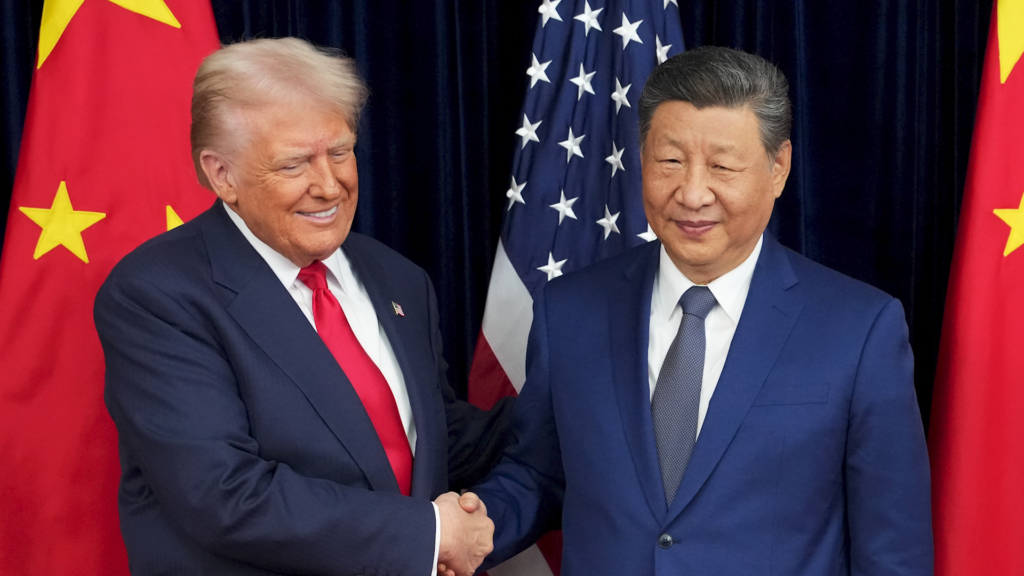
The U.S. and China are discussing cutting tariffs on a range of goods, including American energy and agricultural exports and Chinese manufacturing inputs, ahead of a Trump-Xi summit expected later this month. If it happens, it would extend a one-year trade truce between the two countries that’s kept the broader tariff war from escalating further.
What tariffs are actually on the table?
According to Bloomberg and Financial Times reporting, the two sides are discussing reductions on American energy and agricultural shipments to China, along with cuts to tariffs on Chinese-made inputs that U.S. manufacturers rely on. Treasury Secretary Scott Bessent has floated removing tariffs on roughly $30 billion worth of trade in what he’s described as “non-critical areas and areas that we’re not trying to reshore.” Those are goods where the U.S. isn’t trying to rebuild domestic production anyway, so the tariff mainly just raises prices without much strategic upside.
Why now, and what’s the summit everyone’s referencing?
Trump and Xi Jinping are set to meet in Washington later this month, with additional meetings possible at the APEC summit in Shenzhen in November and the G20 in Miami after that. The two sides have already reached partial agreements this year: China committed to buying at least $17 billion a year in U.S. agricultural products through 2028 and increasing purchases of American aircraft, and both countries agreed to set up working groups on investment and further tariff reductions on “non-strategic” goods. The current round of talks over energy, agriculture, and manufacturing inputs is being framed as building on that groundwork rather than starting from scratch.

Is this actually good news, or just fewer bad headlines?
Even people close to the negotiations are managing expectations. The Financial Times has noted that simply getting the summit to happen at all would count as the main accomplishment, regardless of what specific tariff numbers come out of it. That’s a sign of how fragile the current U.S.-China trade relationship still is. The two countries also aren’t moving in only one direction: the U.S. has separately been preparing a 7.5% tariff on Chinese goods tied to allegations of manufacturing overcapacity, meant to be in place before the Trump-Xi meeting, which suggests the administration is negotiating cuts on some goods while adding pressure on others at the same time.
How would this affect prices for regular consumers?
If tariffs on manufacturing inputs come down, that’s the piece most likely to show up in everyday prices, since those costs get built into finished goods sold at retail. It also lines up with a concern flagged at this month’s Federal Reserve meeting, where officials noted inflation risks have worsened partly because “tariff pass-through continues,” meaning businesses are still passing existing tariff costs on to consumers rather than absorbing them. A real reduction on inputs could ease some of that pressure, though any relief would take months to filter through supply chains and show up at checkout.
Sources: Political Wire (citing Bloomberg and Financial Times) · CNBC · Bloomberg · Kiplinger