

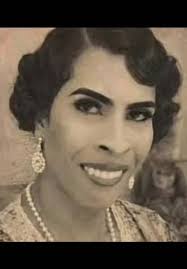
The latest trend eating up TikTok doesn’t need a dance or a sound, just an AI photo generator, a straight face, and a parent gullible enough to believe a stranger’s headshot is a long-lost relative. It’s called the Ancestor Photo Prank, and by early September it had become one of the platform’s defining formats.
How the prank actually works
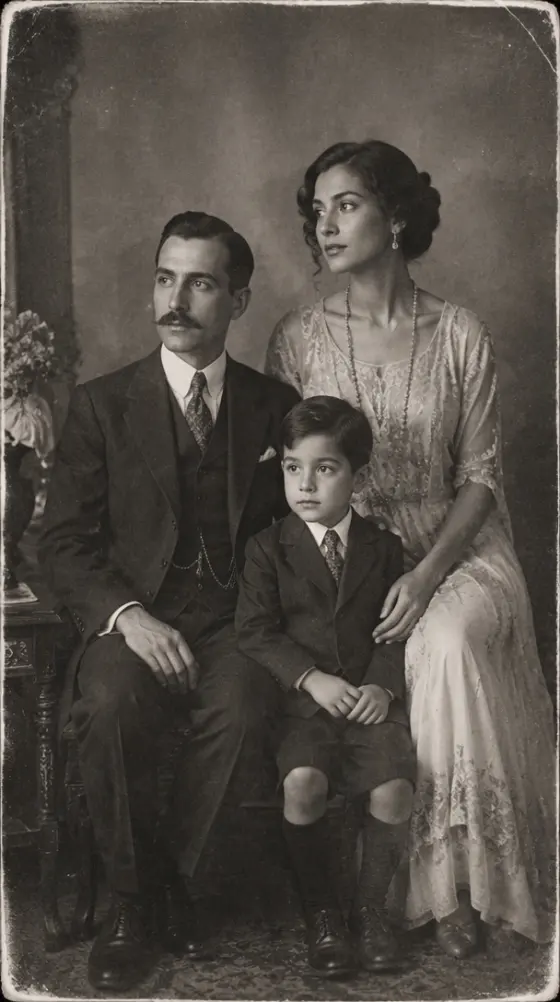
A creator generates or repurposes a vintage-style black-and-white portrait, often an AI-rendered image built from their own selfie run through a 19th-century filter, and sometimes a straight-up repurposed celebrity photo, Kim Kardashian’s bow-blouse editorial shot has become a recurring favorite for this specifically. They send it to a parent or grandparent and claim they dug it up on Ancestry.com, insisting it’s a great-great-great-grandmother or some similarly distant relative. The reveal is the point: some parents study the photo and insist they can see the resemblance, some get visibly annoyed at being fooled, and the funniest clips are the ones where a parent argues with their own kid about a person who never existed.
Why it’s spreading the way it is
Part of the appeal is how low the barrier to entry is. Tools built specifically for this trend let anyone turn a selfie into an aged, sepia-toned portrait in a couple of taps, no editing skill required, which is exactly the kind of frictionless format that tends to spread fast on TikTok. It also taps into something real: genealogy content and DNA-test reveals have been reliably popular online for years, and this trend borrows that credibility, an old photo, an ancestry site name-drop, to make an obvious fake land harder before the punchline arrives.


Common sense says the trend works precisely because people want to believe a good family story, and a grainy old photo with a plausible claim attached is enough to get most parents to lower their guard for a few seconds. Nobody’s getting hurt by it, which is probably why it’s lasted longer than most prank formats do.
Related from BeezLoop: The "Empty Universe" Filter: Why Editing Out the Crowd Feeds Our Worst Biases, TikTok Is Accused of Burying Posts About Trump, Epstein and Andrew Tate and When Internet Outrage Outruns Human Logic.