
In the high-stakes theater of global geopolitics, there is a fine line between a strategic demonstration of strength and economic self-sabotage of your own citizens.
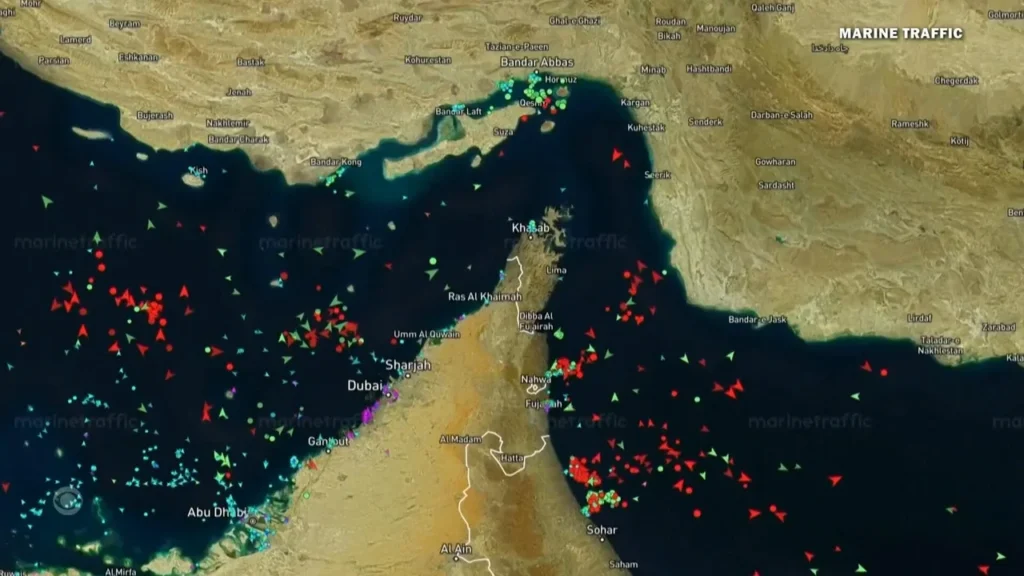
On August 13, 2026, President Trump officially announced a sweeping “Wall of Steel” naval blockade in the Strait of Hormuz, declaring that Iran has “no money” and is facing “300% inflation” under the weight of the escalating Middle East conflict. The Energy Information Administration confirmed that crude oil and petroleum liquids transported through the vital chokepoint have collapsed from 21.6 million barrels per day at the end of last year to a staggering 4.9 million barrels per day today.
On its face, the mainstream political class is cheering this as a bold, necessary move to pressure a hostile regime. But if you apply some raw, street-smart economic logic, this “Wall of Steel” is also a squeeze on the American consumer.

A naval blockade does not operate in a vacuum. By choking off what remains of the oil flows through the Strait of Hormuz, the vital arterial waterway through which roughly 20% of the world’s oil passes, the administration has effectively engineered a massive global energy shortage. In a purely logical market, restricting supply while demand remains constant does not just weaken your adversary; it drives global crude prices higher.
The paradox is glaring: while the White House boasts that the blockade is crippling Tehran, it is simultaneously giving oil companies and energy traders the perfect cover story to raise domestic fuel prices, report record-shattering profit margins, and hand the bill directly to the working-class families pulling up to the pump.
We are watching a geopolitical standoff where the ammunition is paid for by taxpayer dollars, and the strain is felt most in the household budgets of everyday citizens.