

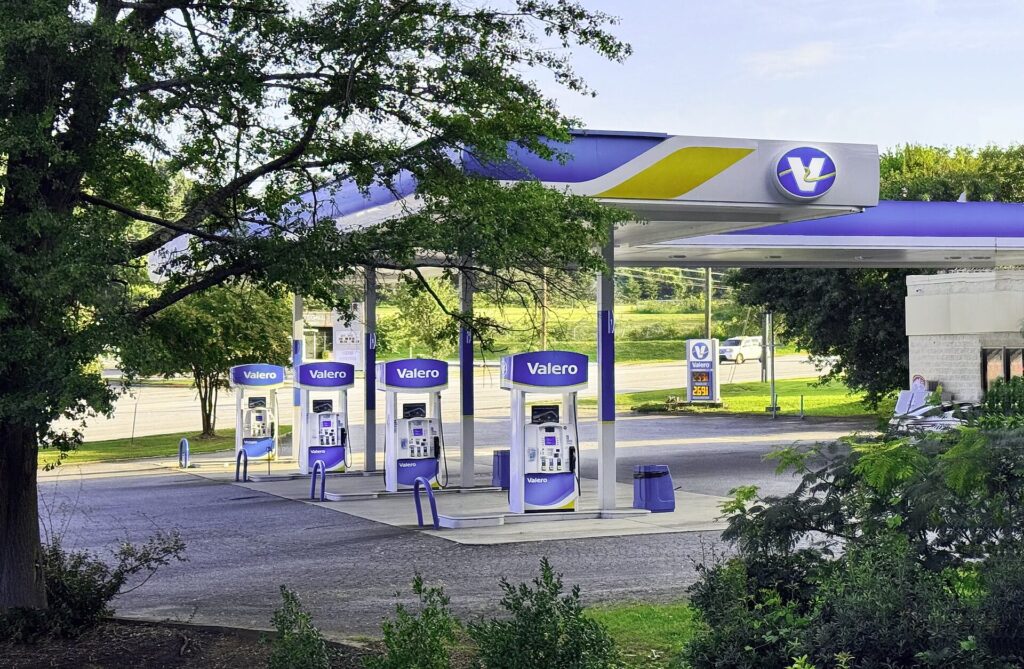
There is a profound disconnect between the sterile, green stock market charts shown on Wall Street news networks and the raw economic reality experienced on the asphalt of U.S. gas stations.
On August 13, 2026, Patrick De Haan, Head of Petroleum Analysis at GasBuddy, announced that the national average price of gasoline in the United States had broken multiple historical records, rising back above $4 per gallon for the third time this year and remaining at this elevated level later in the calendar year than in any previous year on record.
This is not an accident of the free market; it is the unofficial tax of Washington’s foreign policy brinkmanship.

While financial commentators celebrate Wall Street rising near record highs on the backs of soaring AI and technology stock earnings, working-class families are watching their household budgets bleed out at the pump. The closing of the Strait of Hormuz due to the naval blockade and military strikes has created an artificial bottleneck, but the real mystery is why the pain is so asymmetrical.
As GasBuddy data highlights, while crude oil prices have occasionally fluctuated and dropped, prices at the pump remain stubbornly glued above the $4 mark. Oil companies have effectively decoupled fuel prices from crude costs, capitalizing on global “supply risk” anxiety to secure wider margins from everyday drivers.
When a small business owner has to pay 85 cents more per gallon than they did a year ago just to keep their delivery trucks on the road, that isn’t just inflation, it’s a direct transfer of wealth from the pockets of working Americans into the ledger sheets of multinational energy companies.