
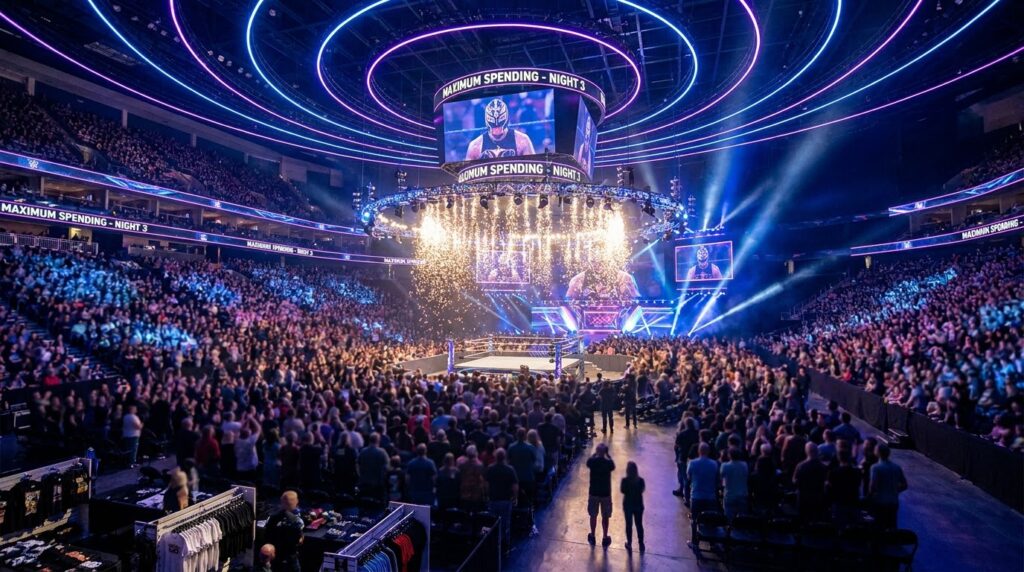
WWE’s SummerSlam 2026 at U.S. Bank Stadium in Minneapolis drew huge crowds across its second straight two-night format, following the precedent WWE set the year before at SummerSlam 2025 in East Rutherford, New Jersey. That expansion has now stuck for two years running, and it’s worth asking what fans are actually getting out of it.
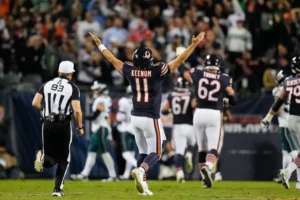
Night two delivered the marquee moments: Roman Reigns retained the World Heavyweight Championship over Seth Rollins in a match built around closing the book on their Shield-era rivalry, hometown favorite Chad Gable tapped out Penta to win the Intercontinental Championship in his first singles title run, Baron Corbin dethroned Trick Williams for the United States Championship after interference from Lil Yachty backfired, Chelsea Green outlasted Charlotte Flair, Jade Cargill, Tiffany Stratton, and Lash Legend in a ladder match to win the Interim Women’s Championship (with champion Rhea Ripley sidelined by injury), and Kevin Owens made a surprise return after 17 months away. Across both nights, the card ran roughly a dozen matches total.
Not a New Idea, Just a Repeated One
SummerSlam wasn’t always a two-night show. For decades it ran as a single, tightly booked stadium event. That changed at SummerSlam 2025, when WWE first split the show across two nights at MetLife Stadium, drawing a combined 113,722 fans over the weekend. SummerSlam 2026 confirmed that wasn’t a one-off experiment. It’s now the format going forward.

Splitting the show lets WWE double ticket sales, concessions, hotel bookings, and pay-per-view windows in a single weekend. It also means fans who spend a full day in the summer heat are being asked to sit through two long shows instead of one. Longtime fans have pointed out that when SummerSlam was a single night, every match felt like it had to earn its spot on the card. Stretched across two nights, some of that urgency inevitably thins out.
For WWE and parent company TKO, the calculus is straightforward: two nights means twice the live content to feed streaming deals with Netflix and ESPN, even if it means asking more of both the crowd and the roster.
Filling Two Nights
Stretching the card across two nights also means finding enough matches to fill it. Championship feuds got the spotlight, but the card leaned on lighter matchups to round out the lineup, while veterans like Kevin Owens were brought back to generate a jolt of surprise. It’s a format built for maximum content across a weekend, even if it comes at some cost to the tightly wound pacing that made a single-night SummerSlam feel essential from bell to bell.
🔥 The Best Moments of SummerSlam 2026:
What do you think? Now that WWE has run the two-night format twice, is it here to stay, or should SummerSlam go back to a single night? Let us know your thoughts in the comments on BeezLoop.com!
Related from BeezLoop: The Final Bell for the Beast: What Brock Lesnar's Retirement Says About WWE's Hype Machine, How Professional Wrestling Accidentally Explained the Modern Economy and PAC Wrestled a Title Match on Saturday.