

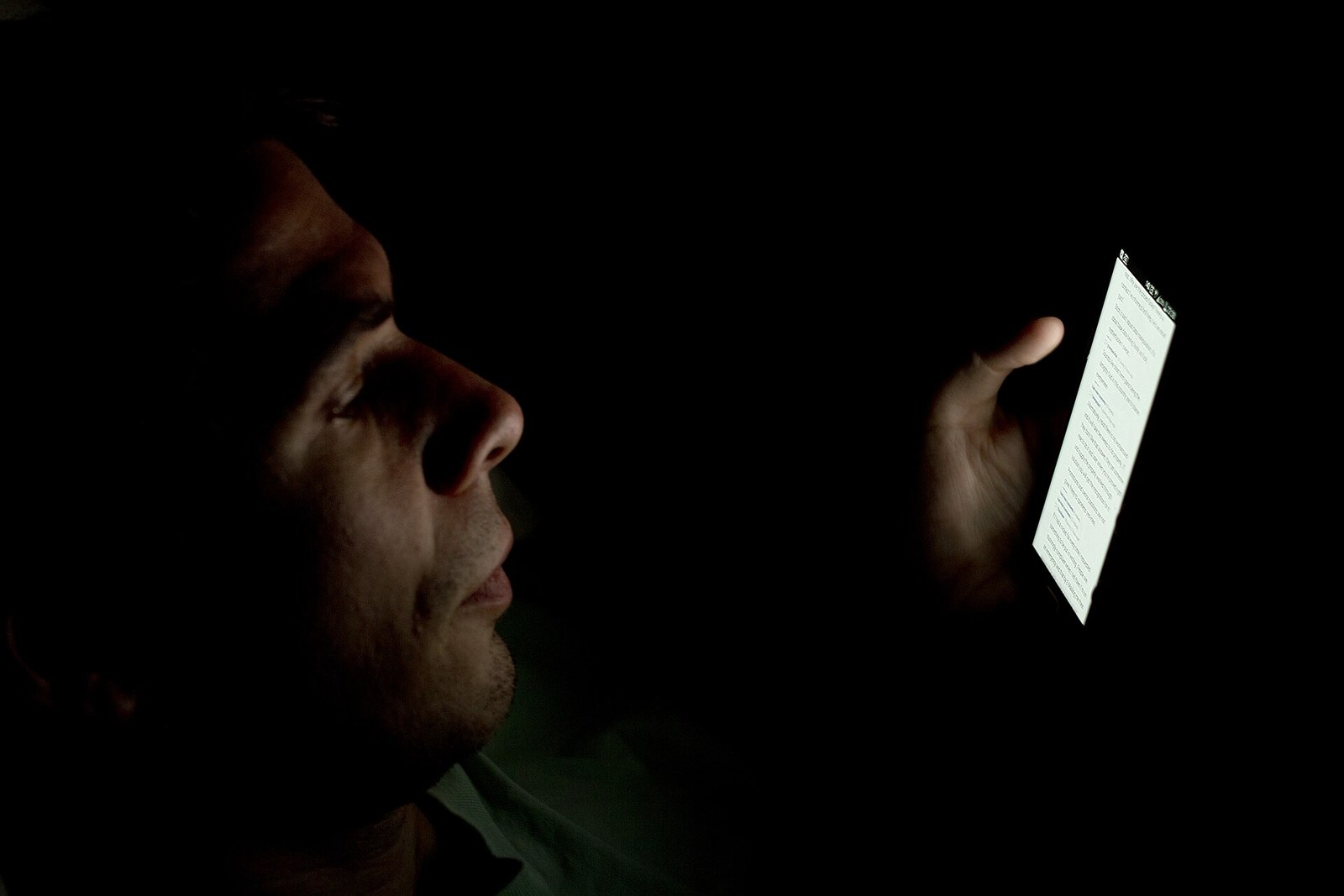
Most of what fills your feed right now wasn’t made to inform you or even entertain you. It was made to get a reaction, any reaction, because reactions are what the apps pay out in. You can see it in the trends that dominate this year: rage bait, AI slop, a new “core” aesthetic every week, and wellness routines that look more like penance than health. And it’s quietly changing how we spend our days, what we argue about, and how we treat each other.
Oxford University Press made “rage bait” its 2025 Word of the Year, defining it as “online content deliberately designed to elicit anger or outrage by being frustrating, provocative, or offensive.” Oxford said use of the term tripled in a year. That tells you how normal it’s become.
Why does social media reward rage bait?
Because anger travels. Researchers at Cambridge and NYU studied more than 2.7 million posts and found that each additional word attacking the other side raised the odds of a post being shared by an average of 67%, according to the University of Cambridge. Positive words slightly lowered the odds. A separate Yale-led study of 12.7 million tweets found that when people got likes and retweets for an outraged post, they posted more outrage afterward. The platforms don’t just show anger. They train it.

That’s the business model behind the worst stuff in your feed: the creator who drops a slur for shock value, the account built entirely on making one race or group furious at another, the “I’m just asking questions” post that isn’t asking anything. None of it moves a real conversation forward. It just turns other people into props. We’ve watched the cycle play out in real time, as when Laura Loomer tried to get streamer Sneako arrested over his livestreams, and both sides got exactly the attention they wanted.

How much of what we see online is AI slop?
More than most people think. NewsGuard has counted 3,749 AI content-farm sites posing as news, up from 49 in spring 2023. When the video company Kapwing set up a fresh TikTok account and hand-checked the first 500 videos it was served, 59% were AI slop, the low-effort AI videos, voiceovers and fake clips made to farm views. It’s a company study, not academic research, but it matches what anyone scrolling has noticed.
This matters more than it sounds, because 20% of American adults now regularly get news on TikTok, including 39% of people under 30, Pew found this fall. If the feed is half machine-made, so is a lot of what people think they know.
What are ‘core’ aesthetics and wellness trends doing to us?
Cottagecore, coastal grandmother, mob wife, clean girl, tomato girl. The “core” trends cycle so fast that they’re less about style than about packaging yourself in a way the algorithm can sort. The “day in the life” videos work the same way, whether it’s soft-life luxury or 4 a.m. hustle. Both are performances, and both make an ordinary Tuesday feel like it’s falling short.
Wellness content is where it gets risky. When researchers checked 250 “What I Eat in a Day” videos on TikTok, about 37% of the ones they could assess were mostly or completely inaccurate, and accurate posts didn’t get more engagement than wrong ones, according to a 2025 study in the journal Nutrients. “Biohack” made Oxford’s shortlist this year too. Cold plunges and supplement stacks aren’t evil, but moralizing every meal and hour of sleep is a fast route to anxiety.
How is this changing daily life, especially for kids?
Four in 10 American teens say they’re online “almost constantly,” Pew reported in December. The U.S. Surgeon General’s 2023 advisory found that kids who spend more than three hours a day on social media face double the risk of symptoms of depression and anxiety. States are responding: in October, a federal appeals court found Florida’s law barring accounts for kids under 14 likely constitutional, and Meta, Google and TikTok are suing to block a California law that bars personalized feeds for users under 16.
For adults, the cost shows up in smaller ways: arguments at dinner that started in a comment section, the pile-on that hits a stranger for one clumsy post, the friend who turns real pain into content because it performs well, and the creeping sense that every opinion about food or music is a loyalty test. We’ve covered how platforms shape what you see, including claims that TikTok buried certain political posts.
The BeezLoop Take
The platforms aren’t neutral pipes. They pay out attention, and anger and shock are the cheapest way to earn it, so that’s what floods our feeds. The fix starts with us: stop rewarding the slur-for-clicks crowd with views, even hate views, mute the accounts built on making you furious, and follow people who actually make things, report things or are good at something. Those accounts age well. The outrage ones never do. But we shouldn’t let the companies off the hook either. If an algorithm reliably boosts the worst content, that’s a design choice, and it can be changed.
If the apps can tune feeds to keep us scrolling, why can’t they be required to stop rewarding the content that does the most damage?