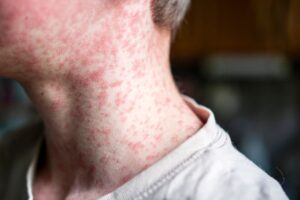
Minnesota’s kindergarten vaccination rates fell again during the 2025-26 school year, according to new CDC data, continuing a multi-year decline that’s pushed the state toward becoming one of the least-vaccinated in the country for common childhood diseases. The share of Minnesota kindergartners receiving medical or “personal belief” exemptions rose to 6.9%, nearly double the pre-pandemic rate.
Statewide childhood vaccination coverage for common diseases now sits around 86%, below the threshold public health officials generally cite as necessary to maintain herd immunity against diseases like measles.
Why the Decline Has Been Hard to Reverse
A Minnesota Department of Health epidemiologist in the agency’s Vaccine Preventable Disease Unit has pointed to rising vaccine skepticism since the pandemic as a driving factor, despite what she described as an abundance of evidence that vaccines remain safe. Regional health care coalitions, made up of hospitals, local public health departments, and other organizations, have stepped up outreach efforts, but reversing an exemption rate that’s nearly doubled since before the pandemic is a slower process than any single campaign can address quickly.
What’s at Stake
Coverage rates below the herd-immunity threshold create real conditions for outbreaks of diseases like measles and whooping cough that vaccines are specifically designed to prevent at the population level, not just the individual level. Minnesota’s continued decline, now confirmed for another consecutive school year by CDC data, means the state’s exposure to a preventable-disease outbreak has grown rather than stabilized.
Related from BeezLoop: The CDC Says One Person Died of Measles This Year, Pennsylvania's Measles Outbreak Hits 693 Cases as CDC Disputes Death Toll and Medical Groups Issue Independent Fall Vaccine Guidance After CDC Leaves Gap on Flu, COVID….