

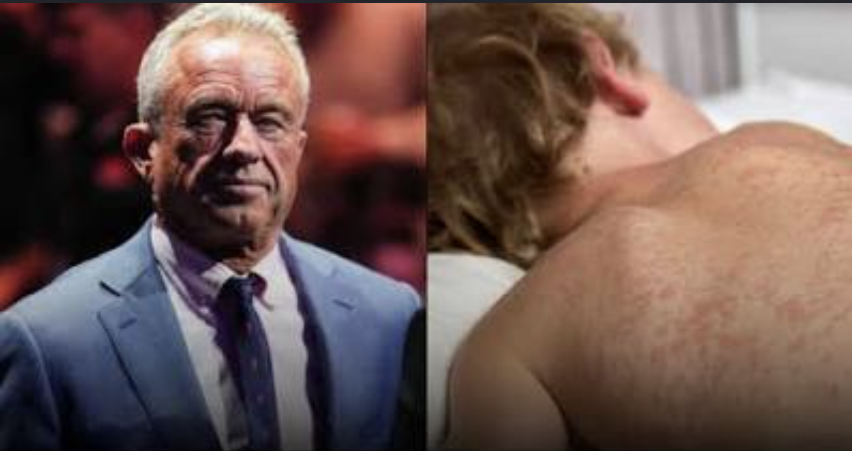
Pennsylvania’s measles outbreak has grown to 693 confirmed cases across 38 counties as of this week’s state health department update, making it the largest active measles outbreak in the country. The state has confirmed two deaths tied to the outbreak and is reviewing a possible third, even as the CDC has yet to formally attribute any 2026 measles death to the virus nationally.
How bad is the outbreak, and how did it start?
The outbreak began in late April and has grown steadily since, adding 17 new cases in the days since September 11 alone. Of the 693 confirmed cases, 133 have required hospitalization. Only four cases, less than 1% of the total, have occurred in people who were vaccinated, underscoring how heavily the outbreak is concentrated among unvaccinated residents. Pennsylvania’s total is a significant chunk of the more than 3,000 measles cases confirmed nationwide so far in 2026.
Why is there a dispute over the death count?
Pennsylvania’s health department has confirmed two measles-associated deaths and says it’s “actively conducting its own review” of a third, after a Jefferson County coroner reported an additional death potentially tied to the outbreak on September 13. The CDC, meanwhile, has not counted any measles deaths nationally in 2026, citing insufficient information to confirm that measles caused or contributed to the fatalities being reported at the state level. That gap reflects a real methodological disagreement, not just political spin: state coroners and state health departments often move faster on attributing cause of death than the CDC’s own review process, which requires more complete documentation before a death gets formally added to the national count.

What is Pennsylvania doing to stop the spread?
The state has significantly ramped up vaccination efforts, administering nearly 4,300 MMR doses across 130 pop-up clinics in affected communities since the outbreak began, on top of more than 6,300 total MMR doses given statewide this year. August alone saw more than 46,000 MMR vaccines administered in Pennsylvania, nearly double the roughly 25,000 doses the state typically administers in a month. Health officials have repeatedly emphasized that the vaccine is 97% effective at preventing measles after two doses, a message aimed directly at the unvaccinated population where nearly all of the outbreak’s cases are occurring.
Why is this happening now, with a vaccine that’s been available for decades?
Declining MMR vaccination rates in specific communities are the main driver, a pattern playing out beyond just Pennsylvania. The outbreak comes at a politically charged moment for vaccine policy nationally, with Health Secretary Robert F. Kennedy Jr. scaling back federal vaccine guidance even as this outbreak and others alarm public health experts. That tension is also shaping this week’s Senate hearing for Trump’s surgeon general nominee, Dr. Nicole Saphier, where senators are expected to press her directly on how she’d handle vaccine messaging with an active outbreak like Pennsylvania’s playing out in real time.
Sources: Pennsylvania Department of Health · CNN · ABC News · Infectious Disease Special Edition