

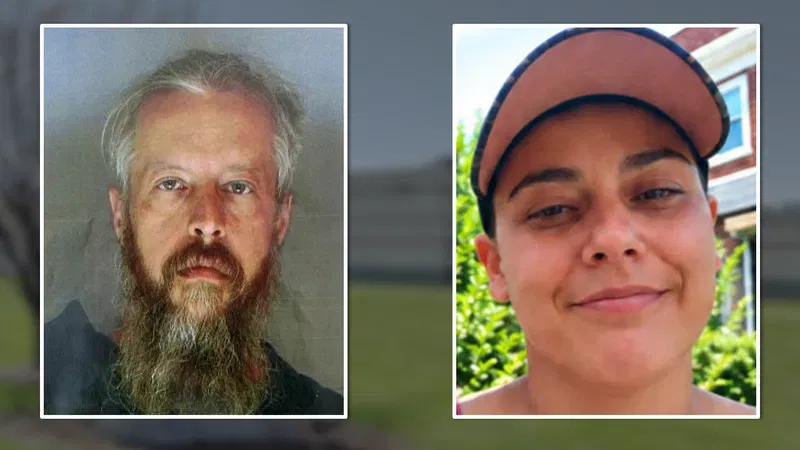
Kimberley Gsell disappeared from a motel parking lot in September 2019. Last week, seven years later, the man police say killed her told detectives where she was and walked them to the creek bank.

What happened in 2019
Kimberley Gsell, 38, was last seen at about 1:30 a.m. on September 29, 2019, at the Rodeway Inn on Harrisburg Pike in Middlesex Township, Cumberland County.
The relationships in this case are unusual and they are the core of it. Gsell was engaged to Amanda Snyder. Amanda Snyder was still married to David Snyder.

That night, according to investigators, Gsell injured Amanda’s nose, and David Snyder drove Amanda to a hospital for treatment.
Gsell was never seen again. Police had a last-known contact and no body, which is the position most of these cases stay in permanently.
The confession
Detectives went back at David Allen Snyder, 39, of Hanover in York County, and confronted him with inconsistencies in his account.
He confessed. He said he strangled Gsell in his van on the night she vanished and buried her along Yellow Breeches Creek. Then he showed investigators where.
Remains were pulled from the creek bank on September 26.
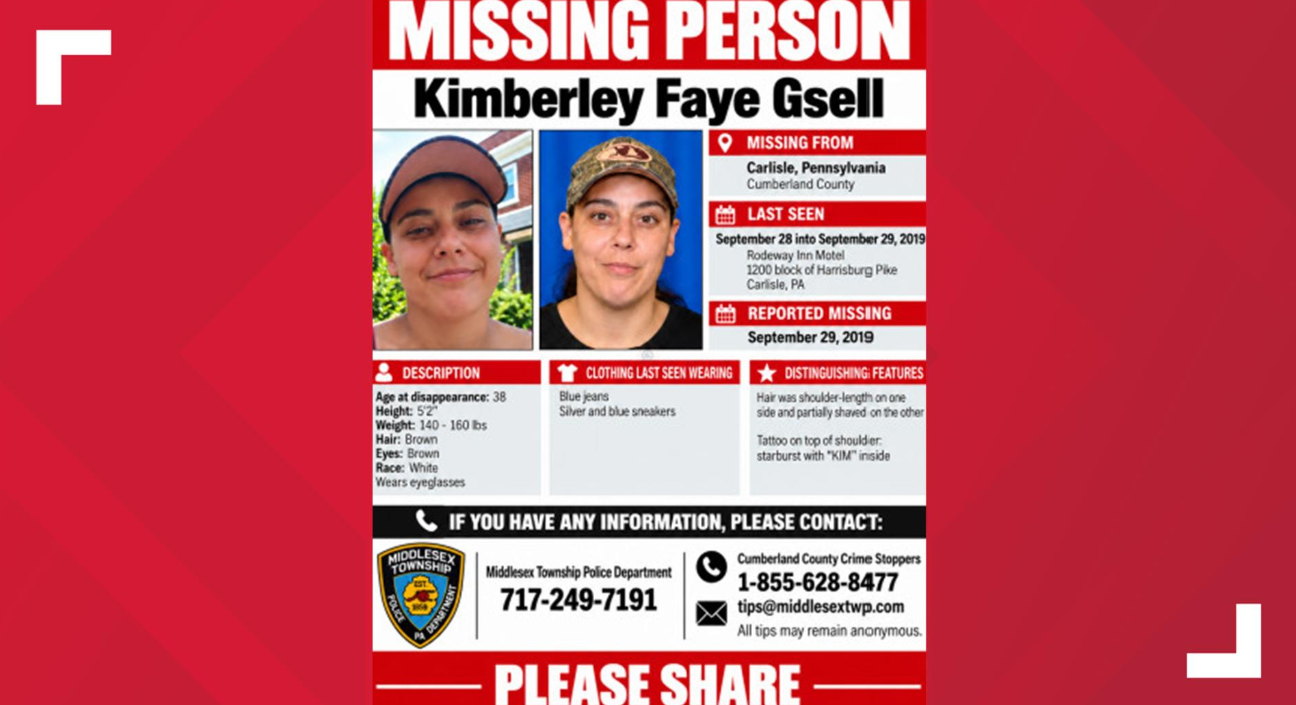
How they confirmed it was her
The Cumberland County District Attorney’s own forensic lab used Rapid DNA, which produces a usable genetic profile in hours rather than the weeks or months a conventional lab queue takes. It returned a high probability match.
Dental records confirmed the identification independently.
Snyder is charged with first-degree murder and strangulation. He is held without bail at Cumberland County Prison, with a preliminary hearing set for October 7. He has not been convicted of anything.
The BeezLoop Take
The technology is the part that will get written about and it is the least important thing here. Rapid DNA confirmed an identity in hours, which is genuinely useful, but it confirmed remains that a confession had already located. No amount of forensic capability finds a body nobody has been told about.
What actually broke this case is old and unglamorous: detectives kept the file open for seven years, went back to the same man, and sat him down with the inconsistencies. That is labor, not science. It is also the thing that gets cut first when a department is short-staffed, because there is no deadline on a cold case and nobody complains when one sits.
The seven-year gap deserves a harder question than it is going to get locally. Snyder was the husband of the victim’s fiancee, he was with the victim’s fiancee at a hospital hours after the disappearance, and his account had holes in it that were apparently good enough to confront him with in 2026. Something made this interview possible now that was not possible in 2020. If that something is new evidence, fine. If it is that nobody sat down and did it, Gsell’s family spent seven years waiting on a conversation.
And the case is a reminder of what a missing person really is in the American system. A woman vanished from a motel parking lot at 1:30 in the morning and the machinery treated it as an open question for most of a decade. There was no national coverage, no podcast, no billboard. The reason you are reading about Kimberley Gsell now is that the man who confessed decided to talk.
The question
What changed between 2019 and last week that made this interview possible, and why did it take seven years? And how many open missing-person files are one uncomfortable conversation away from being closed?
Related: a San Diego jury convicted a man of murder without ever finding his wife’s body.
Sources: Cumberland County District Attorney via CrimeWatch PA · ABC27 · CBS 21 Harrisburg · Daily Voice