
An ICE officer accused of shooting a man through a Minneapolis front door in January is due in federal court Friday, charged with lying to investigators about what happened. The case has also produced a jurisdictional fight between Minnesota and the federal government over who gets to prosecute him at all.
What prosecutors allege
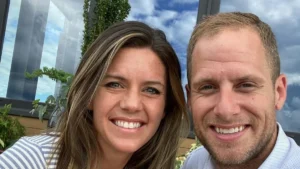
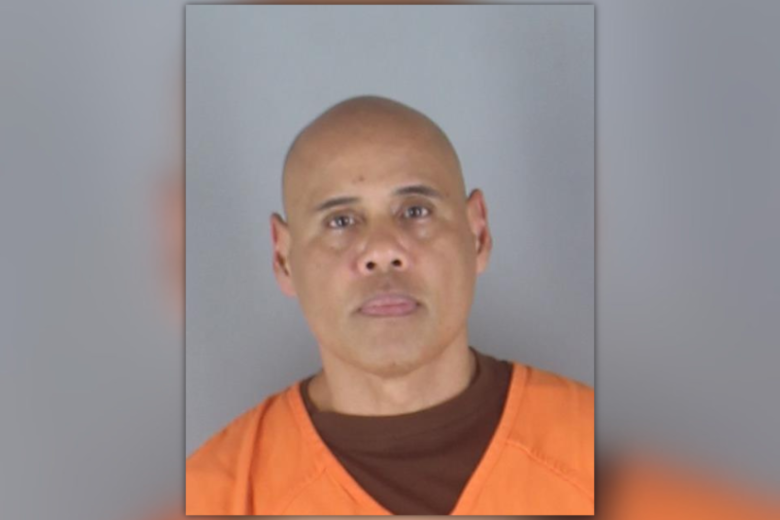
Christian Castro, 52, is accused of firing through the front door of a Minneapolis home during Operation Metro Surge in January, striking 24-year-old Julio Cesar Sosa-Celis, a Venezuelan national, in the leg. Sosa-Celis survived.
The federal charge is not the shooting. It is making a false statement. Prosecutors say Castro told investigators he had been attacked with a broom handle and a snow shovel before firing, an account they say the evidence contradicts. He appeared in state court on assault charges the day before and was released from custody. His defense has indicated he will plead not guilty.

The jurisdiction fight is its own story
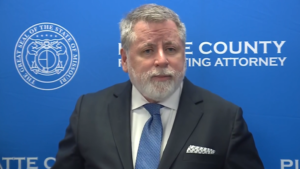
Minnesota brought state assault charges. The Department of Homeland Security responded that only federal authorities have jurisdiction and called the state prosecution a political stunt. Texas Governor Greg Abbott declined to sign an extradition warrant, and Castro ultimately turned himself in to federal authorities rather than to Minnesota.
That sequence matters more than it might appear. Which sovereign prosecutes a federal officer for conduct during a federal operation is a genuinely contested legal question, and it determines the charge, the venue, the jury pool and the likely sentence. It is being argued here between a state attorney general, a federal department and a governor of a third state who had no obvious role in the underlying events.
The pattern worth noticing
We wrote this week about a federal judge restricting warrantless ICE arrests across seven Southern California counties, where the finding was that officers were routinely not documenting a legal precondition they were already required to meet. This is a different case in a different state with different facts. What connects them is the same underlying question: what happens when the paperwork and the conduct do not match, and who is in a position to check.
The BeezLoop Take
Charging the false statement rather than the shooting is a familiar prosecutorial choice, and we have written about the pattern before: the provable adjacent offense often becomes the case.
What concerns us more is the jurisdictional argument. If the position is that only federal authorities may prosecute a federal officer for conduct during a federal operation, then accountability for that conduct rests entirely with the same government that ordered it.
We have not seen the evidence contradicting Castro’s account, only the government’s characterization of it. He has pleaded not guilty and is entitled to that presumption. Nothing here establishes what happened at that door in January.
The open question
When a federal officer is accused of a crime during a federal operation, who should be able to bring that case, and does it matter to public confidence that the answer may be only the officer’s own government?
What happens next
Watch whether the state assault case survives the jurisdictional challenge, whether additional federal charges follow, and what evidence prosecutors produce about the broom handle and shovel account. The false-statement count rises or falls on that record.