
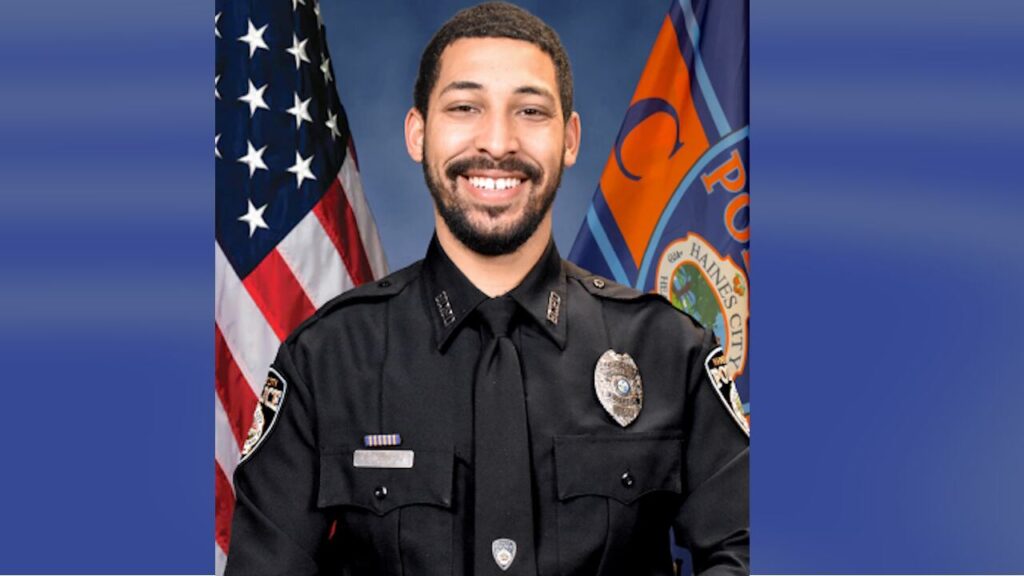
A Haines City, Florida police officer has been charged after investigators say he used the department’s Flock Safety license plate camera system to track his estranged wife’s vehicle 717 times over nearly two years. According to the arrest affidavit, Christopher Goodson ran his ex-wife’s plate through the Flock database between September 2024 and June 2026, with usage spiking to 280 searches in a single month.
Goodson, who has served with Haines City PD since March 2022, told a supervisor he was checking his children’s location when they were with their mother. Investigators found no legitimate case file connecting her or her vehicle to any criminal investigation that would have justified the searches. He’s now facing one count of offenses against computer users and one count of official misconduct, and has indicated he plans to resign.
Why This Isn’t Just a Bad-Apple Story
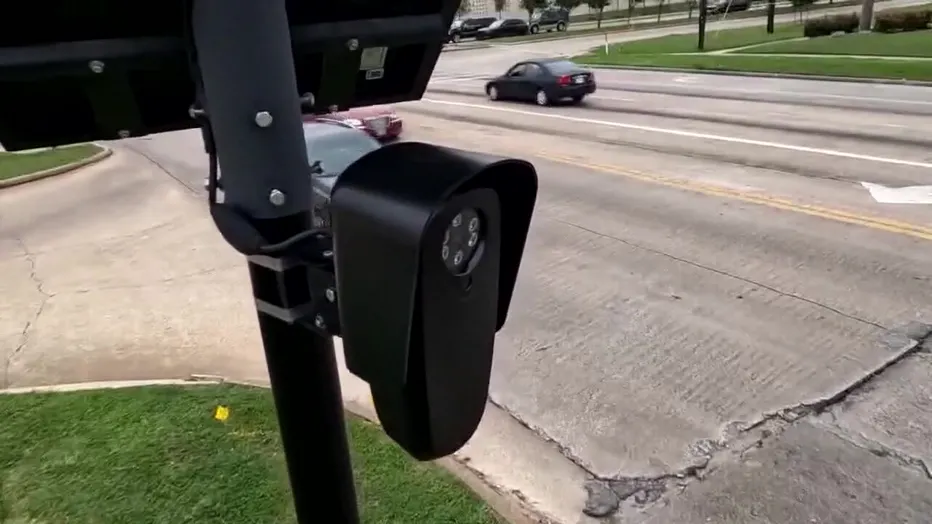
Flock’s automated license plate readers are marketed to municipalities as a public safety tool: cameras that log every passing plate and let officers search where a specific vehicle has been seen, without a warrant, in systems that in many departments have essentially no independent audit trail catching misuse until someone reports it. The Haines City case is a real-world demonstration of exactly the failure mode privacy advocates have been warning about since these systems started rolling out nationwide: any officer with database access can search anyone’s movements for personal reasons, and the system itself won’t necessarily flag it.

717 searches over roughly 21 months is not a system working as intended with one bad user slipping through. It’s 717 opportunities for an internal audit to catch a pattern that, on its face, had no legitimate law enforcement justification, and by Goodson’s own account, wasn’t tied to any case. That the pattern only surfaced through an outside investigation, not a routine internal check, is the part worth sitting with.
What Oversight Actually Looks Like Here
Some departments that use Flock and similar systems have added audit requirements, mandatory case-number logging for every search, and periodic reviews specifically designed to catch this kind of pattern before it runs for nearly two years. Whether Haines City had any of that in place, and if so why it didn’t catch 717 searches with no case attached, is the accountability question that matters more than this one officer’s outcome. A surveillance network built without real auditing isn’t a public safety tool with an occasional bad actor. It’s a tool that will eventually get misused, because nothing in the system is designed to notice when it does.
What do you think? Should police license plate databases require a case number and independent audit for every search, or does that make the tool too slow to actually use? Let us know your thoughts in the comments on BeezLoop.com!
Related from BeezLoop: DeSantis Orders Flock License-Plate Cameras Removed From Florida Highways, Flock Surveillance Cameras Are Being Vandalized Across the Country and How We Quietly Built a Neighborhood Surveillance State.