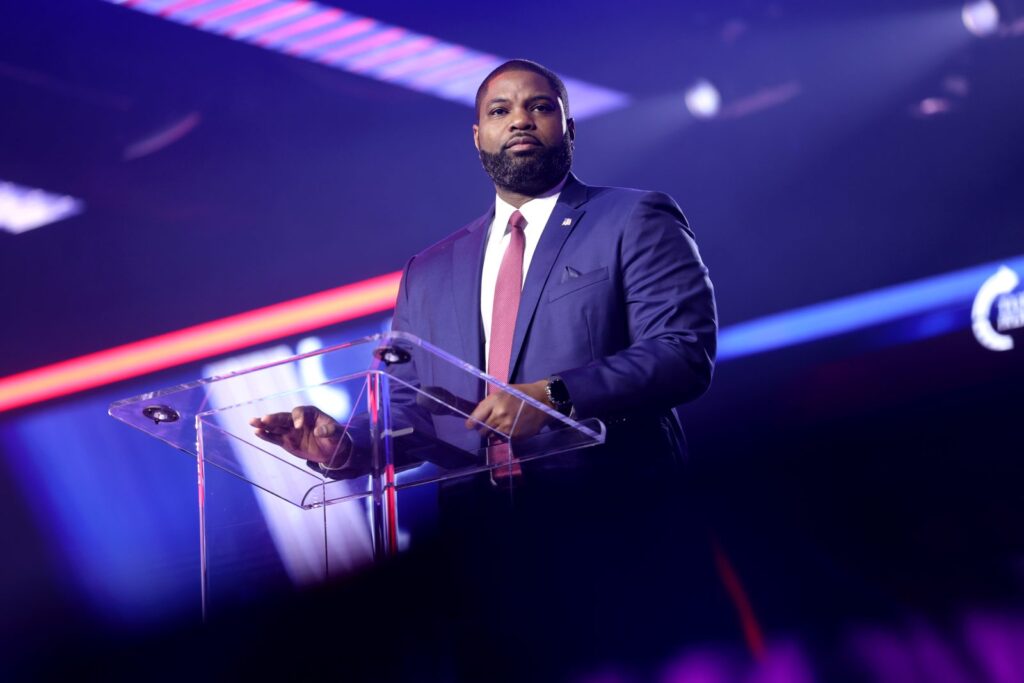
Florida Republican gubernatorial nominee Byron Donalds, asked how the state would fill healthcare jobs after the end of Temporary Protected Status for Haitians, said Florida should train its own workforce. An estimated 100,000 Haitians work in healthcare across Florida.
What he actually proposed
Donalds pointed to vocational pipelines rather than any immigration fix: “We want to make sure that our kids coming out of high school are having internships and apprenticeships and the necessary workforce training to be able to work whether it’s healthcare or any other job field.” He defended ending TPS on the grounds that the program was designed to be temporary and should not become permanent, and said he is working with Haitian leaders on stabilizing the country so people can eventually return.
The timing problem with that answer
The substance of the critique is not whether workforce training is worthwhile, it is whether the timelines match. TPS terminations take effect on a fixed date. Training a new healthcare worker does not. A certified nursing assistant program runs weeks to months, but licensed practical nurses, registered nurses, and the respiratory and imaging technicians that hospitals also rely on require one to four years of schooling plus clinical hours and licensure. A high school apprenticeship pipeline started now produces its first workers years after the TPS holders have gone. That gap is the operational question facing Florida hospitals and nursing homes, and it is distinct from the political argument about whether TPS should have ended.
Where the impact concentrates
Not evenly. Haitian healthcare workers in Florida are heavily represented in long-term care, home health, and nursing assistant roles, which are already among the hardest positions to staff and the least able to absorb wage competition for replacements. South Florida counties carry the densest concentration. For facilities in those markets, the practical question is not statewide averages but whether specific shifts can be covered, which is where staffing shortfalls become visible to patients and families first.
Related from BeezLoop: Byron Donalds Won His Primary on Trump's Endorsement, Salazar Helped Fund ICE. Now That It's in Miami, She Says It Went Too Far and Cubans Living in Florida Are Being Deported to the Central African Republic.