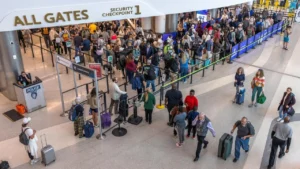

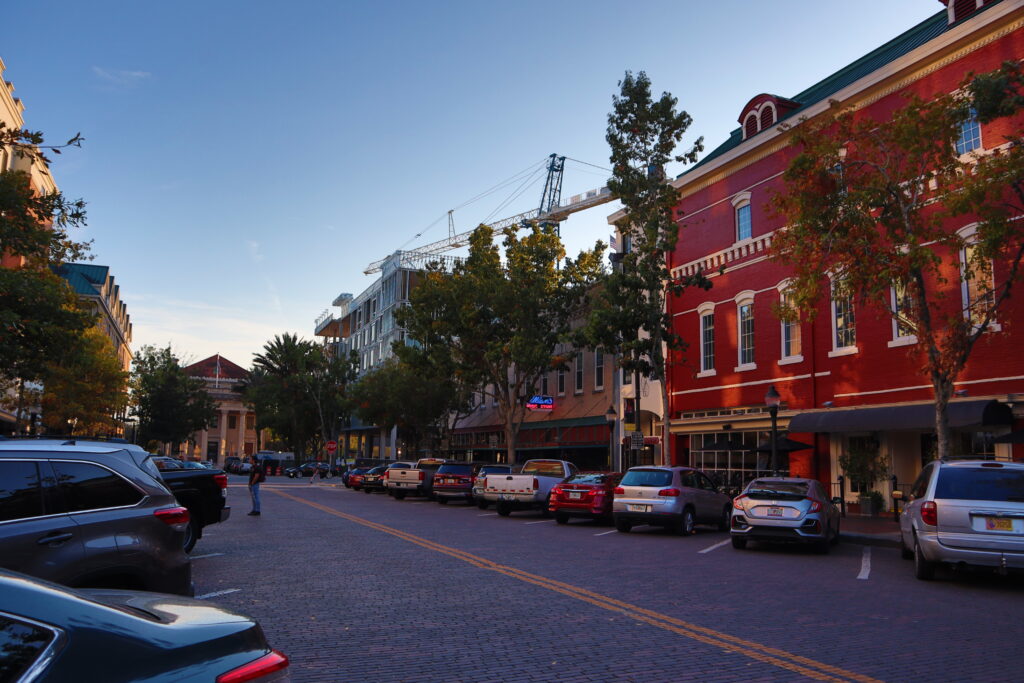
Walk through Gainesville’s college district in mid-August and it’s a noticeably quieter scene than the rest of the academic year. With more than 41,000 University of Florida undergraduates gone between the spring and fall semesters, the lines that usually wrap around campus favorites like The Swamp Restaurant thin out, and long-time spots like Salty Dog Saloon and Spurrier’s Gridiron Grille see a real, if temporary, drop in traffic.
Local business owners describe sales dips in the range of 15 to 25% during the summer months, a meaningful hit, even if it’s less dramatic than the empty-town feel might suggest. For bar and restaurant owners who lease commercial space at rates set around the nine months when campus is at full capacity, that seasonal dip is a real annual budgeting problem, not just a mood shift.
The Predictable Math of a College Town
College towns run on a nine-month economy stretched across a twelve-month lease. Landlords price commercial rent around peak-semester demand, and businesses staff up, stock up, and plan around the assumption that tens of thousands of students will be back on campus by fall. When that customer base leaves for the summer, the fixed costs, rent, utilities, insurance, don’t leave with them.

Owners interviewed about the slowdown describe it less as a crisis and more as an annual adjustment: leaning on local and year-round residents, trimming staff hours, and, for some, simply treating summer as the slow season to plan around rather than fight.
A Seasonal Rhythm, Not a Death Sentence
Gainesville’s bars and restaurants have weathered this same rhythm for decades, and most come back to full capacity within days of students returning for fall move-in. The businesses most at risk aren’t the established, well-known spots, they’re newer or thinly capitalized operations that don’t have the cash reserves to cover a few slow months. For the city’s independent hospitality scene, surviving the summer is less about a single dramatic collapse and more about managing a predictable, recurring cash-flow squeeze.
What do you think? Should college-town landlords offer flexible, seasonal lease terms to support local businesses through the summer, or is the slowdown just a manageable part of doing business in a student-driven economy? Let us know your thoughts in the comments on BeezLoop.com!
Related from BeezLoop: Nicki Minaj Appears on Fox News' Laura Ingraham Show, Who Actually Pays More Now That ACA Subsidies Expired: A Breakdown by Age, Income, and Job Type and Six Charged in Multi-State Retail Theft Ring: How the Costs Land Differently on Small….