
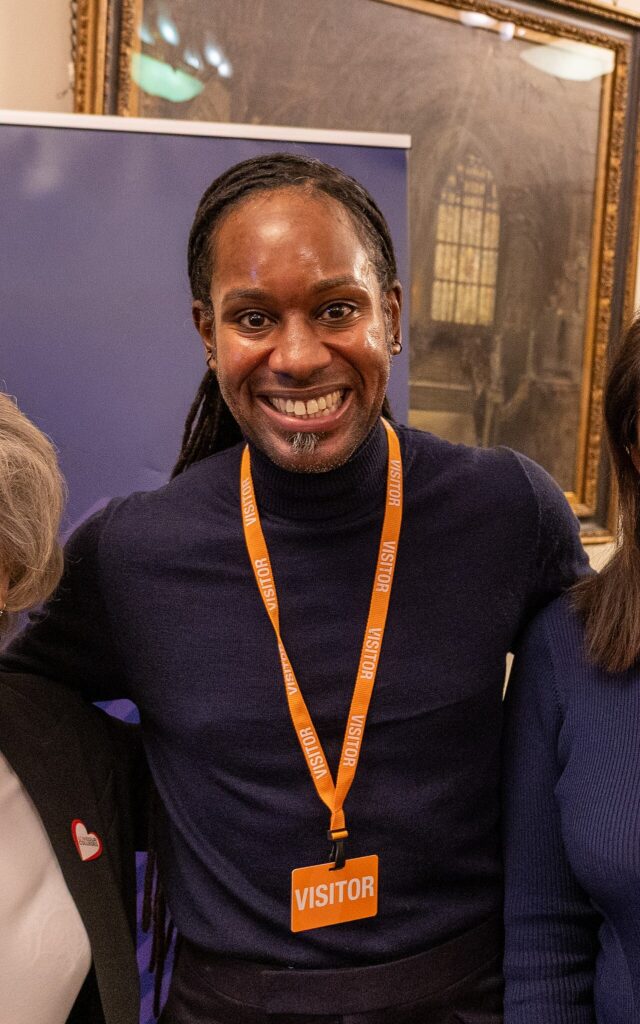
Jason Arday, the sociologist who became the youngest Black professor in the history of the University of Cambridge, was found unresponsive at an address in Battersea, south London, on Friday, August 14. He was 41. London’s Metropolitan Police said his death is being treated as unexpected but not suspicious. He had resigned his Cambridge professorship just nine days earlier, on August 5, after months of scrutiny over his academic record.
In a statement issued on the family’s behalf, they said Arday had been subjected to “a campaign of sustained abuse” for more than three years since he accepted the Cambridge role in 2023. His death has set off a reckoning in British academia and the press over duty of care, media scrutiny, and how institutions treat the people they hold up as symbols.
How the scrutiny began
The plagiarism allegations against Arday trace back further than most coverage acknowledged. A Times Higher Education reporter had assembled a report on alleged plagiarism in Arday’s doctoral thesis as early as September 2025, but publication was delayed for nearly nine months after Arday retained the defamation law firm Carter-Ruck to challenge it before it ran. When the allegations did become public in 2026, Cambridge’s initial response was not to distance itself from Arday, the university defended him, with officials suggesting the people raising concerns about his academic record were motivated by racism and describing him as the target of “a vile campaign to undermine his credibility.” Cambridge only opened a formal investigation later, after what it described as “new information” about his qualifications and honorary appointments came to light.

That reversal, full-throated defense, then a formal investigation once the allegations became harder to dismiss, is where critics say the institution failed him twice over: first by not verifying his record properly before the appointment, and second by leaving him to face weeks of front-page scrutiny largely on his own once the story became unmanageable.
The toll of the coverage
In his resignation statement, Arday wrote that “the relentless accusations, speculation and public commentary have taken a profound toll on me and on those I love.” The volume and intensity of UK press coverage in the days that followed, much of it revisiting his personal history and childhood disabilities alongside the plagiarism allegations, is now the subject of its own scrutiny, including from Channel 4 News, which has examined the media’s duty of care in stories like his.
Cambridge said it would review how it handles cases involving intense public scrutiny of its staff. That review will not change what happened to Jason Arday, but it may shape how the next academic caught in a similar storm is treated by the institution that put them there.
🔥 The Reckoning Over Media Scrutiny and Duty of Care:
What do you think? Did Cambridge’s handling of the plagiarism allegations leave Jason Arday exposed to a media pile-on the university itself invited, or does the responsibility rest with a press that went too far? Let us know your thoughts in the comments on BeezLoop.com!
Related from BeezLoop: The Government Paid to Run an Anti-Communism Ad the Same Week It Threw Xi Jinping a State…, Shaq Got an FBI Badge From Kash Patel and Gen Z Keeps Getting Told to Drop the Iced Coffee.