
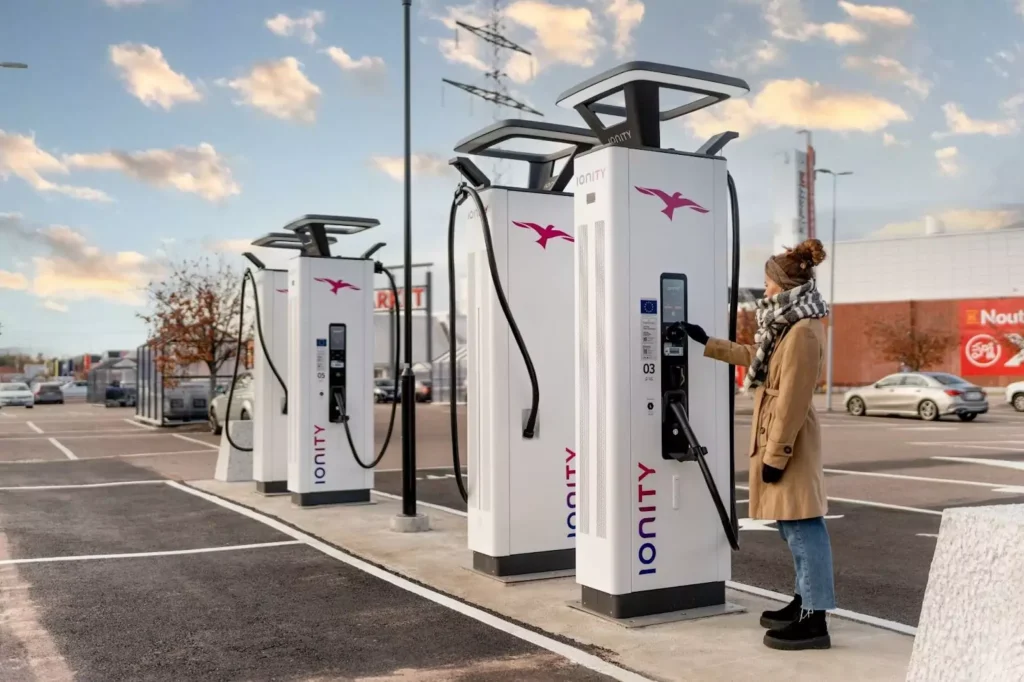
J.D. Power’s 2026 U.S. Electric Vehicle Experience (EVX) Public Charging Study is drawing headlines for the right reasons on one front: satisfaction with DC fast chargers rose 12 points this year, with IONNA taking the top spot in the rankings as reliability across major fast-charging networks continues to improve.
But the same study tells a quieter, less flattering story about the slower Level 2 chargers that make up the bulk of everyday public charging, the kind found at grocery stores, workplaces, and apartment complexes. Satisfaction with those chargers slipped compared to last year, driven primarily by problems with ease of payment and ease of charging. J.D. Power’s separate home charging study found a similar pattern: satisfaction with Level 1 portable chargers dropped 12 points year over year, and Level 2 portable chargers fell 4 points, even as permanently mounted Level 2 units, which see far more maintenance investment, still scored highest overall.
The divergence tracks the economics. DC fast charging is the highest-margin segment for networks like IONNA, Electrify America and Tesla’s Supercharger network, funded by billions in OEM backing and built to serve drivers making quick, transactional stops on longer trips. Level 2 charging generates far less per-session revenue, and commercial property owners and smaller operators have correspondingly less incentive to keep those units maintained.
That gap matters most for drivers without home charging access, who rely on public Level 2 infrastructure at workplaces or near their residence for the bulk of their charging. For those drivers, a rising DC fast-charging satisfaction score doesn’t offset a broken card reader or a dead screen on the charger they actually use every day.