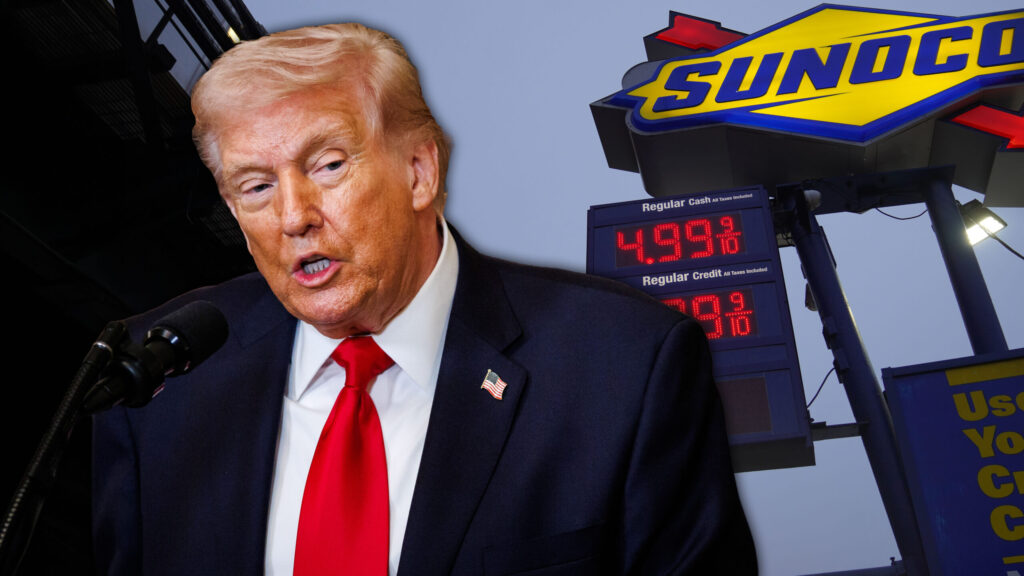
Speaking at the Nassau County Police Academy in Garden City, New York, on August 14, President Trump addressed the rising cost of gasoline directly, telling the crowd that paying more at the pump is worth it.
“You’re at $4. It’s okay. I mean, it’s. I’m not, I’m not, I’ll never apologize. I did the right thing,” Trump said, framing the cost as the price of preventing Iran from acquiring a nuclear weapon. He added that Americans who have to “pay a tiny little bit more for your gasoline” should remember it as “a great service for the world.”
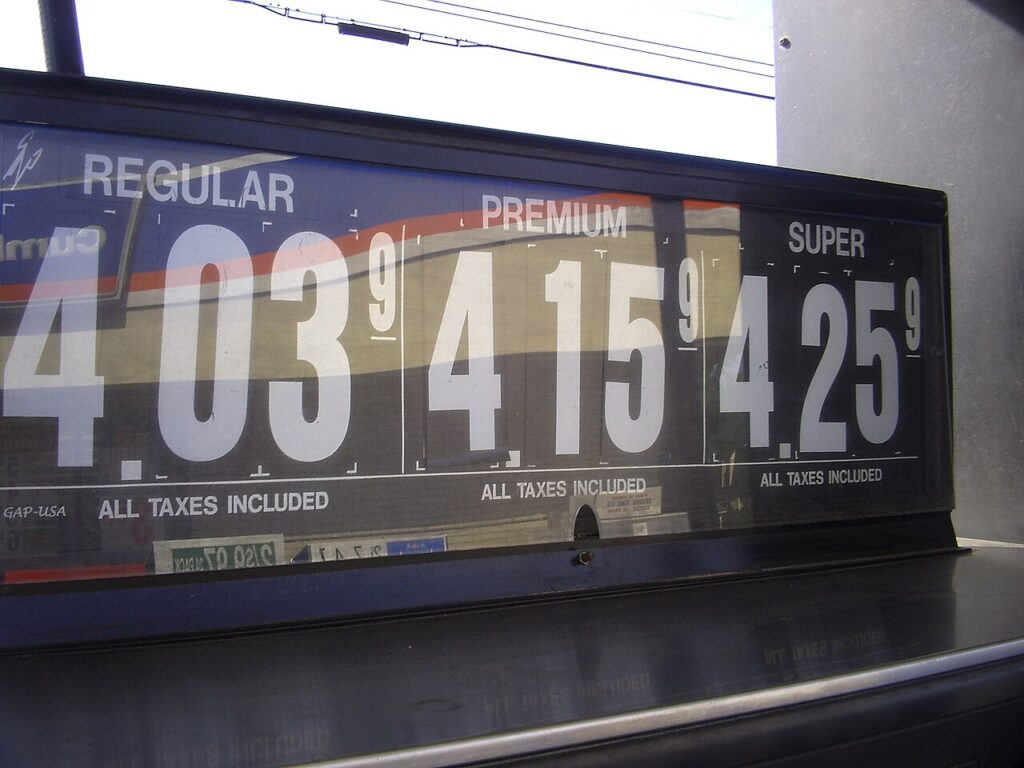
National average gas prices have climbed past the $4 mark amid the ongoing U.S. campaign against Iran and the naval blockade of the Strait of Hormuz, one of the world’s most important oil shipping chokepoints. The administration has framed the higher prices as an acceptable, temporary cost of the broader campaign, while critics have pointed out the tension between a White House that campaigned heavily on lowering energy costs and one now asking voters to accept the opposite as a form of patriotism.
Trump also used the appearance to preview an unusual postwar ambition for the strait itself. “After we finish defeating Iran, which is being very badly defeated, pretty soon I’ll be declaring the Hormuz Strait a territory of the United States,” he said, adding, “Essentially that’s what we have. The blockade, no ships get through.” The Strait of Hormuz is bordered by Iran and Oman and has never been claimed as U.S. territory; the comment was widely covered as more rhetorical flourish than a concrete policy proposal, though it underscores how far the administration is willing to frame the blockade’s costs and benefits.
For now, the practical effect for American drivers is straightforward regardless of how the strait is eventually described: higher prices at the pump, justified as the cost of a war with no fixed end date.