
Six major outages in six days. Since Thursday, Microsoft’s email went down for nearly a day, the FAA grounded every flight in the country, customers at Chase and other big banks couldn’t move money, United Airlines delayed hundreds of flights, Apple’s iCloud and Apple Pay failed, and on Tuesday the National Security Agency’s own classified network went offline, CBS News reported.
Every organization says it wasn’t a cyberattack. Lawmakers from both parties want a briefing anyway. Here’s what each one says happened, and the questions that still need answers.

What went down, and what did each company blame?
- Microsoft (Nov. 12-14): Outlook, Teams and Copilot failed worldwide for nearly a day. Microsoft blamed an issue from an earlier network capacity upgrade and said it wasn’t a cyberattack.
- FAA (Nov. 13): A nationwide ground stop for about five hours, with 10,000+ delays. The FAA now says a new router L3Harris installed at a radio site in Arkansas “began sending out too many connection signals at once.” It paused router installs and disabled that function on 60+ similar routers. Our explainer on why the system is so fragile has more.
- Banks (Nov. 16): Chase, Bank of America, U.S. Bank, Wells Fargo and others had problems, along with Zelle transfers. Chase said a software bug spread to other banks on shared transactions and that “the issue is not systemic,” CBS reported. Service was back early Tuesday.
- United Airlines (Nov. 16): A “widespread system outage” delayed departures for more than 90 minutes Monday afternoon.
- Apple (Nov. 17): iCloud, Apple Pay, Apple Card, Apple Music and the App Store went down starting around 11:30 a.m. ET. Apple said “an internal update caused some outages this morning,” Fox News reported, and ruled out an attack.
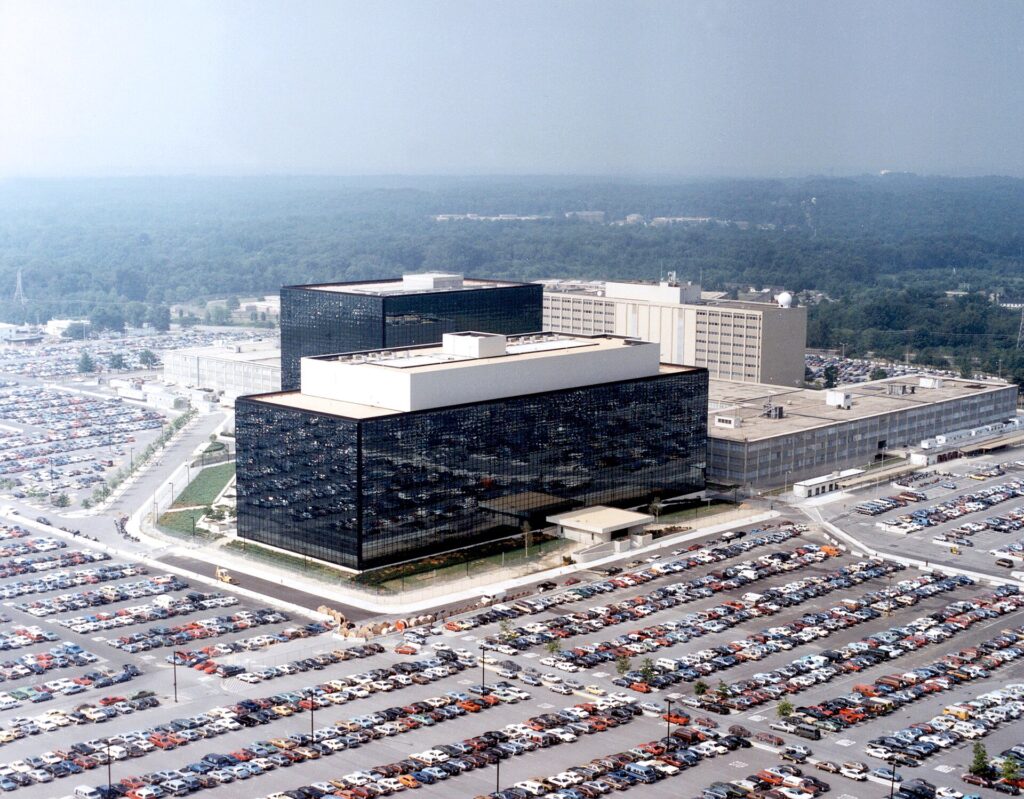
- NSA (Nov. 17): NSA Net, the agency’s internal classified network, went offline. The NSA called it a “temporary degradation during scheduled routine maintenance” and said “mission/critical capabilities remain fully operational.” Two sources told CBS it came from routine system patching. Some staff at Fort Meade were told to stagger arrival times.
Are the outages connected?
There’s no public evidence they are. Two U.S. officials told CBS there’s no sign the NSA outage was a cyberattack, and every company has said the same about its own. Different systems, different vendors, different causes.

But look at the causes side by side and there is a pattern: most of these were self-inflicted changes. Microsoft’s came from a network upgrade. The FAA’s from a newly installed router. Apple’s from an internal update. The NSA’s from patching. When updates break things, that’s a story about how fast and how carefully big systems are being changed, and it’s fair to ask why so many changes are going out at once.
What questions should Congress be asking?
Lawmakers are already asking. House Minority Leader Hakeem Jeffries called the outages “troubling” and said it’s “unclear if it’s all infrastructure related or whether there’s some malignant activity,” pushing for a briefing for the Gang of Eight, the leaders who get the most sensitive intelligence. Rep. Nancy Mace, a Republican, wrote: “Congress needs to be briefed immediately.” Here are the questions we’d want answered:
- Were any of these patches rushed out in response to a specific threat or vulnerability? If so, which one, and is everyone patched now?
- Did any of these systems share a vendor, a software component or a cloud provider?
- Why did changes that broke things at the FAA, Apple and the NSA get pushed to live systems without catching the problem in testing first?
- What would have happened if a real attack had landed during one of these windows, while systems were already down?
What can you do?
Not much about the causes, but a little about the damage. Keep a backup way to pay, like a card from a second bank or some cash, so one bank’s outage doesn’t strand you. Save important documents and boarding passes offline. And be extra wary of texts and emails claiming to fix an outage. Scammers love a week like this.
The BeezLoop Take
Six failures in six days is not proof of a conspiracy, and the people suggesting a coordinated attack haven’t shown any evidence. But “it was just routine maintenance” is not a full answer either, when routine maintenance takes down the NSA’s classified network and grounds every plane in the country in the same week.
The real issue is that the systems Americans depend on are run by a handful of companies and agencies pushing constant changes onto complex, sometimes ancient, infrastructure. That makes each update a gamble. Congress should get its briefing, and the public should get a plain account of what went wrong at each one.
The open question: is this a freak week, or the new normal for systems changing faster than anyone can test them?
Sources: CBS News (NSA) · CBS News (banks) · Fox News live updates · 9to5Mac (Apple) · KCTV5 (video)