
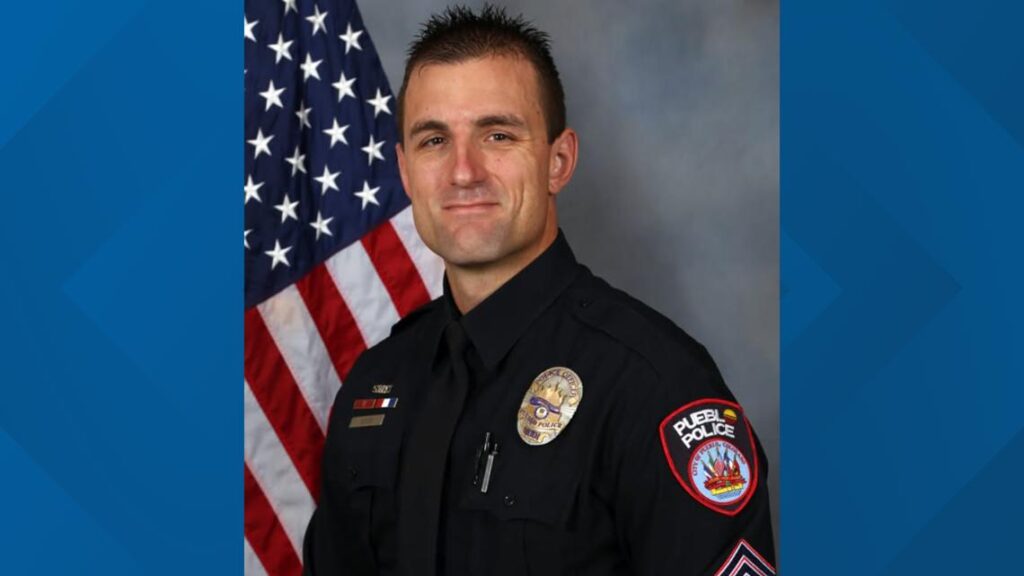
Corporal Stephen Biggs went into the water at Lake Pueblo on Sunday evening and did not come back up. A robot found him in nearly 50 feet of water at 2:45 the next morning. He had been a Pueblo police officer for ten years.
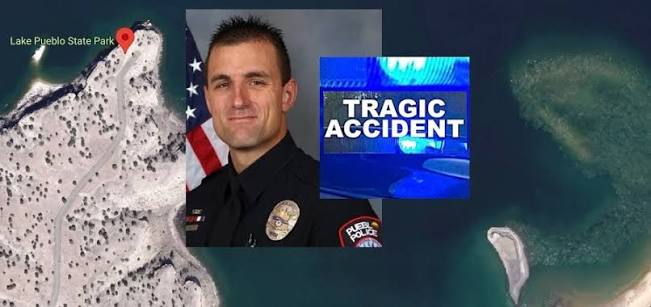
What happened?
- Corporal Stephen Biggs of the Pueblo Police Department was off duty and wakeboarding at Lake Pueblo State Park.
- He went missing around 5:30 p.m. Sunday, September 27, in the Peck Creek area in the west-central part of the park.
- Colorado Parks and Wildlife’s Marine Evidence Recovery Team used an underwater robot to search.
- His body was located in nearly 50 feet of water and recovered at about 2:45 a.m. Monday.
- He had served ten years with the department.
Why these searches take nine hours
Worth explaining, because the gap between 5:30 p.m. and 2:45 a.m. looks like failure and generally is not.
A reservoir like Pueblo is deep, cold and murky, and visibility at 50 feet is close to zero. Divers cannot simply look. Recovery teams run sonar grids to map the bottom and then send a remotely operated vehicle to visually confirm what the sonar flagged. That is slow work in daylight and slower at night.

It is also, by the time it starts, recovery rather than rescue, and teams know it. Nobody survives nine hours under 50 feet of water.
The BeezLoop Take
There is nothing to hold anyone accountable for here and the instinct to find something is worth resisting. A man went wakeboarding on a Sunday and drowned. That is the whole story, and it is the kind that gets a paragraph unless the person happens to have a title.
What is worth saying is that this is the most common way American police officers die and almost nobody knows it. Line-of-duty deaths get the procession and the flags. Off-duty deaths, drownings, crashes, heart attacks, suicides, are a much larger number and they arrive with none of that architecture. Biggs did not die in a confrontation. He died on a lake on his day off, which is how most people in any profession die, and his department is grieving exactly as hard.
The recovery operation deserves a note too. Colorado Parks and Wildlife runs a marine evidence recovery team with sonar and a remotely operated vehicle, on call, for a state park drowning. Most states do not have that, and in most of the country a body in 50 feet of water is found days later or not at all. That capability is a budget line somebody defended in a meeting, and on Sunday it meant a family got an answer by morning instead of by the weekend.
Why do off-duty deaths, which take more officers than any confrontation does, go almost entirely uncounted in how we talk about police fatalities?
Why do off-duty deaths, which take more officers than any confrontation does, go almost entirely uncounted in how we talk about police fatalities?
Related: a Florida deputy-involved shooting on a domestic call.
Sources: KRDO · The Gazette · Colorado Parks and Wildlife · City of Pueblo