

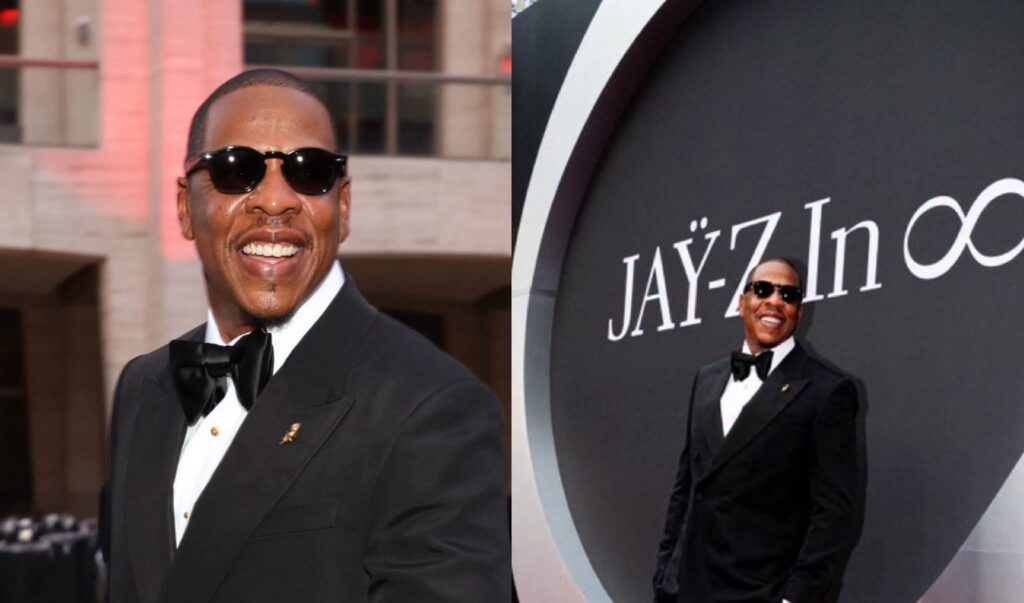
The woman who accused Jay-Z of raping her when she was 13 has filed a sworn declaration saying none of it happened and that she never met him.
What the declaration says
It runs 12 pages. The language is not hedged.
Shawn ‘Jay-Z’ Carter never raped me. I have never met or spoken to Mr. Carter. Mr. Carter never engaged in any inappropriate conduct toward me whatsoever.
From the Jane Doe declaration filed September 25
She also wrote that there is no truth to any of her claims against him, and acknowledged the damage.
My false accusations have caused Mr. Carter immense pain, suffering, and damage that can never be fully undone.
From the declaration
The filing states she disclosed mental health conditions to her legal team before Jay-Z was named in the lawsuit two years ago.
How the case got here
The original suit accused Jay-Z and Sean Combs of raping her at an after-party following the 2000 MTV Video Music Awards, when she was 13.
It was brought by attorney Tony Buzbee. Jay-Z denied it immediately and forcefully.
In February 2025 the suit was voluntarily dropped, with reporting at the time saying Doe feared retribution. Dropping a case is not the same as withdrawing an allegation, and she did not withdraw it then. She continued to stand behind the claims.
This week, represented by a new lawyer, she withdrew them completely.
We have covered what happens when a viral claim outruns the facts before: a video about ICE and a fence crew drew 17 million views on a claim the man who filmed it says never happened, and TikTok has spent the year accused of burying posts nobody outside the company can audit.
What is still unresolved
The declaration answers what happened to Jay-Z. It does not answer several other things.
- Who decided to name him, and on what basis, given she now says they never met.
- What vetting Buzbee’s firm did before filing.
- Whether the allegations against Combs in the same filing are affected.
- Whether Jay-Z pursues anything further. He had previously sued Buzbee.
- Whether any of it changes how the next claim gets filed.
The BeezLoop Take
A man was publicly accused of raping a child and it was not true. That is the first and largest fact and it should not be rushed past on the way to a broader argument. Shawn Carter spent two years with that attached to his name, in headlines, in front of his children, and there is no filing that undoes it. Her own declaration says so.
The part that deserves scrutiny is not the accuser. It is the lawyer. If a woman who had disclosed mental health conditions to her legal team named a man she had never met, someone with a bar license decided that was strong enough to file. Filing a rape claim against a public figure is not a coin flip you take for free, and a firm that runs a volume practice in this area has an obligation to verify before it destroys a name. That question sits with Buzbee and it has not been answered.
Here is where we will lose some readers, and we think the point holds anyway. False allegations are rare. Every serious body of research says so, and the far more common outcome is a real assault that is never reported because the victim assumes she will not be believed. That is still true today and it was true yesterday.
But rare is not never, and a movement that cannot say so out loud when it happens forfeits the credibility it needs the rest of the time. Treating this as an inconvenience to be minimized is exactly what hands the worst people their best argument. The honest position is both: this was false, the harm is real, somebody should answer for it, and none of that tells you anything about the next woman who comes forward.
What we would watch for now is whether anything actually happens. Recantations tend to arrive quietly and leave without consequence. If a firm filed a child rape claim against a man his accuser had never met, and the only outcome is a 12-page PDF on a Friday, then the system did not correct itself. It just stopped paying attention.
The question
If an accusation this serious turns out to be false, who is accountable, the accuser or the lawyer who filed it? And how do you take that seriously without turning it into a weapon against everyone else who reports an assault?
Sources: Rolling Stone · Complex · The Source