
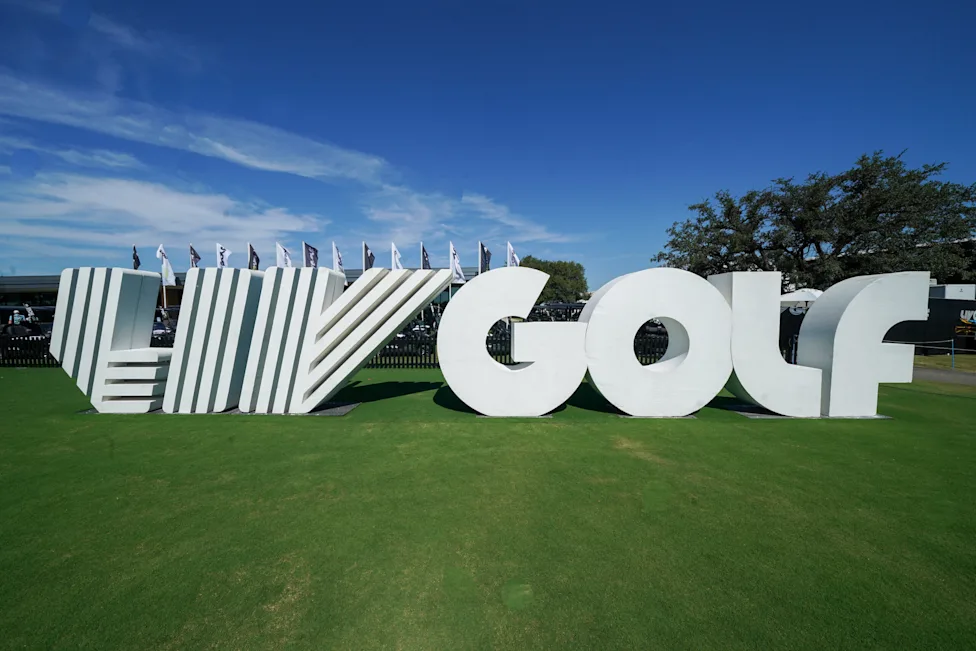
LIV Golf filed for Chapter 11 bankruptcy protection on September 8, listing assets of $100 million to $500 million against liabilities of $500 million to $1 billion. It’s not a full shutdown — the league says it’s restructuring to return with a smaller schedule in 2027 — but it’s the clearest sign yet that Saudi Arabia’s Public Investment Fund is walking away from the project it built with more than $5 billion since 2021.
Why did Saudi Arabia’s PIF stop funding LIV Golf?
PIF announced in April it would fund LIV only through the end of the 2026 season, then walk away. In its official statement, PIF said: “The substantial investment required by LIV Golf over a longer term is no longer consistent with the current phase of PIF’s investment strategy. This decision has been made in light of PIF’s investment priorities and current macro dynamics.” PIF’s updated investment strategy through 2030 doesn’t mention LIV Golf at all, despite the fund pouring in over $5 billion since the league launched. PIF governor Yasir Al-Rumayyan also stepped down as chairman of LIV’s board as part of the pullback. The statement stopped short of calling LIV a failure, adding that it had “forever changed the game of golf for the better,” but the financial reality was that PIF wasn’t willing to keep covering a league that was still burning through hundreds of millions a year five seasons in.
How much does LIV Golf actually owe, and to whom?
The bankruptcy filing’s creditor list reads like a leaderboard. The league’s own recruited stars are among its largest unsecured creditors, owed guaranteed money the league hadn’t yet paid out: Jon Rahm ($7.47 million), Bryson DeChambeau ($5.77 million), Dustin Johnson ($5.49 million), Cameron Smith ($4.84 million), Adrian Meronk ($4.44 million), Tyrrell Hatton ($3.37 million), Abraham Ancer ($2.65 million), Brooks Koepka ($1.68 million), and Joaquin Niemann ($1.31 million), among others. LIV also owes roughly $3.2 million to IMG Media entities and $1.6 million to MDLBEAST Company, a Saudi entertainment vendor. The league had already been delaying payments and running on loans in the months before the filing, including around its Bedminster event, and was forced to cancel two 2026 events, including its team championship in Michigan.

What happens now — is LIV Golf actually going away?
Not entirely, at least according to the plan LIV and its remaining backers have laid out. PIF agreed to provide LIV with a roughly $49.6 million debtor-in-possession loan to keep the league operating through the Chapter 11 process, while fully exiting as an owner once restructuring is done. London-based private equity firm BC Partners is reportedly the lifeline lined up to finance LIV’s return, though the specific terms of that deal haven’t been made public. The broader plan reportedly shifts LIV toward a player-owned structure, and could release current LIV members from their existing contracts as part of the reorganization. LIV CEO Scott O’Neil framed the filing as a reset rather than an ending: “This process is designed to build a stronger and more sustainable future for LIV Golf.” The league is reportedly targeting a return in early 2027 with a scaled-down 10-event schedule, five of them in the U.S. — a fraction of the global, deep-pocketed circuit PIF originally bankrolled.
What does this mean for the players who signed with LIV?
Beyond the immediate question of whether they get paid what they’re owed as unsecured creditors in a bankruptcy proceeding, the bigger issue is contract uncertainty. Players who left the PGA Tour for record-setting guaranteed money now have deals with a league in Chapter 11 that may not exist in its current form by 2027, and reports indicate some players could be released from their contracts entirely as part of the restructuring. That reopens the question several LIV defectors have avoided for years: whether there’s a path back to the PGA Tour, which itself has been negotiating an on-and-off framework agreement with PIF since 2023 that still hasn’t produced a merger. For now, no unified tour exists, and LIV’s bankruptcy makes the golf world’s biggest structural question — whether the sport ever reunifies under one tour — even less certain than it already was.

Sources: Yahoo Sports · Heavy.com · Golf.com · Sportskeeda