
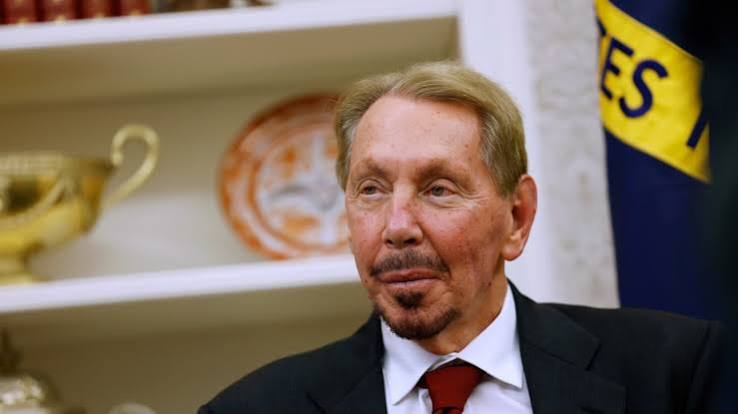
Oracle chairman Larry Ellison has canceled a plan to sell up to $7.5 billion worth of his own Oracle stock, a day after regulatory filings revealed he’d set up the trading plan in the first place. Oracle’s investor relations office confirmed no shares were ever sold under the plan, and Ellison said he has no other current plans to sell Oracle stock.

What was the plan, and why cancel it now?
Ellison adopted the 10b5-1 trading plan on June 22, a scheduled arrangement that would have let him sell up to 50 million Oracle shares by October 24 without running afoul of insider-trading rules, since 10b5-1 plans are set up in advance and executed automatically on a pre-set schedule. The plan’s existence became public through a routine regulatory filing this week. Oracle and Ellison haven’t detailed a specific reason for the reversal, but the timing follows directly on the heels of Oracle’s stock surging roughly 36% after the company disclosed its cloud backlog had hit $455 billion, a rally that pushed Ellison’s net worth up by an estimated $100 billion in a single day and briefly put him ahead of Elon Musk in real-time wealth rankings. See BeezLoop’s earlier coverage: Oracle stock surges 36% after cloud backlog hits $455 billion.
Why does an insider canceling a stock sale matter to anyone else?
A founder or chairman selling a large block of stock right after a huge rally is a fairly ordinary way to lock in gains, and markets don’t usually read much into it. But announcing a sale plan and then scrapping it within a day, without a stated reason, tends to read differently to investors: it can suggest the executive believes there’s more upside left, or simply that the optics of cashing out $7.5 billion right after a historic one-day gain looked bad against a stock story built partly on Ellison’s own outsized bet on Oracle’s AI infrastructure business. Since no shares actually traded under the plan, there’s no direct financial impact on other shareholders — the practical effect is confined to what it signals about how Oracle’s own leadership reads the stock’s near-term prospects.
Sources: Bloomberg · Oracle Investor Relations · CNBC