
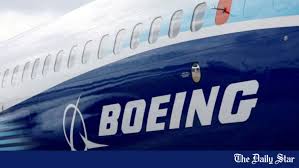
Boeing paid a $3.1 million fine to the Federal Aviation Administration in January over hundreds of safety violations tied to the January 2024 Alaska Airlines door-plug blowout, a penalty the company did not publicly disclose until it surfaced in reporting this month.
The fine represents the maximum civil penalty available to the FAA under federal law and covers violations the agency documented between September 2023 and February 2024, in the months surrounding the incident in which a door plug tore off a 737 MAX 9 operated by Alaska Airlines shortly after takeoff. Investigators later determined the plane was missing four key bolts that should have secured the panel.
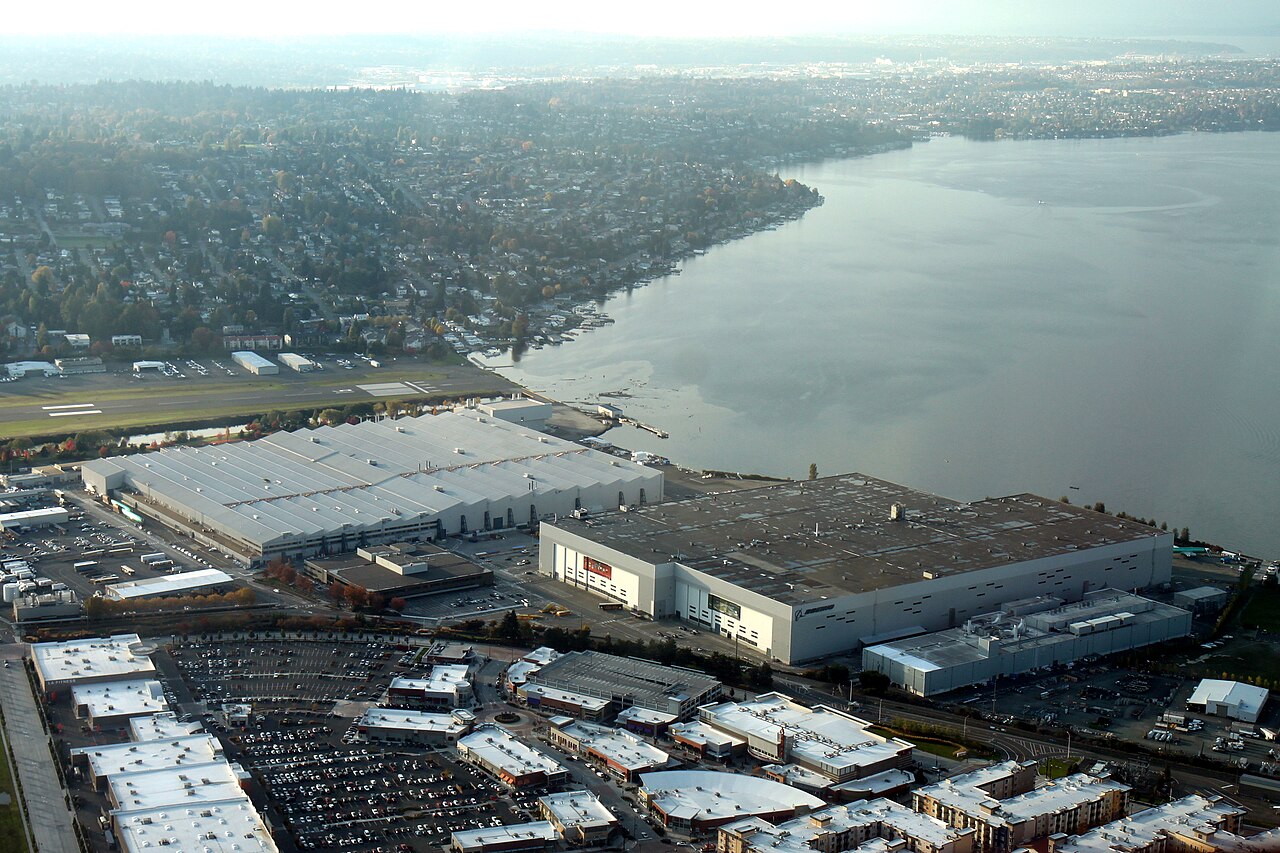
The FAA said it found hundreds of violations at Boeing’s 737 production line in Renton, Washington, and at the fuselage factory operated by Boeing supplier Spirit AeroSystems in Wichita, Kansas. Regulators also cited Boeing for interfering with the independence of its internal safety officials and for presenting two aircraft for regulatory approval that the agency determined were not airworthy at the time.

What specific conduct triggered the penalty?
According to the FAA’s findings, a Boeing employee outside the company’s designated safety-oversight unit pressured a representative in that unit to sign off on a 737 MAX despite the representative’s own determination that the aircraft did not meet applicable standards, in what regulators described as an effort to keep the plane on Boeing’s delivery schedule. The FAA’s civil penalty process allows fines up to a statutory cap per violation, and the $3.1 million figure reflects that maximum being applied across the violations identified.
Boeing has faced heightened regulatory scrutiny since the 2024 incident, including a cap the FAA placed on 737 MAX production rates while the company worked to address quality-control problems. The company delivered 51 commercial aircraft in August, its lowest monthly total in four months, as output of the larger 787 Dreamliner also slowed. Boeing has not issued a detailed public statement responding to the fine’s disclosure.
A separate, 17-month National Transportation Safety Board investigation into the door-plug blowout concluded that lapses in Boeing’s manufacturing and safety oversight combined with ineffective FAA inspections and audits to allow the incident to happen. NTSB Chair Jennifer Homendy said at the time that “the safety deficiencies that led to this accident should have been evident to Boeing and the FAA,” adding that she had “lots of questions about where the FAA was during all of this.” The NTSB found the door plug was missing four bolts that had been removed during rework to fix improperly installed rivets and never reinstalled.
Sources: U.S. News & World Report · Yahoo Finance · Bloomberg
Related from BeezLoop: 5 Dead After Amazon Prime Air Cargo Plane Overruns Runway at Miami International Airport,… and Amazon Plans Sixfold Expansion of Prime Air Drone Delivery to Nearly 500 Cities.