

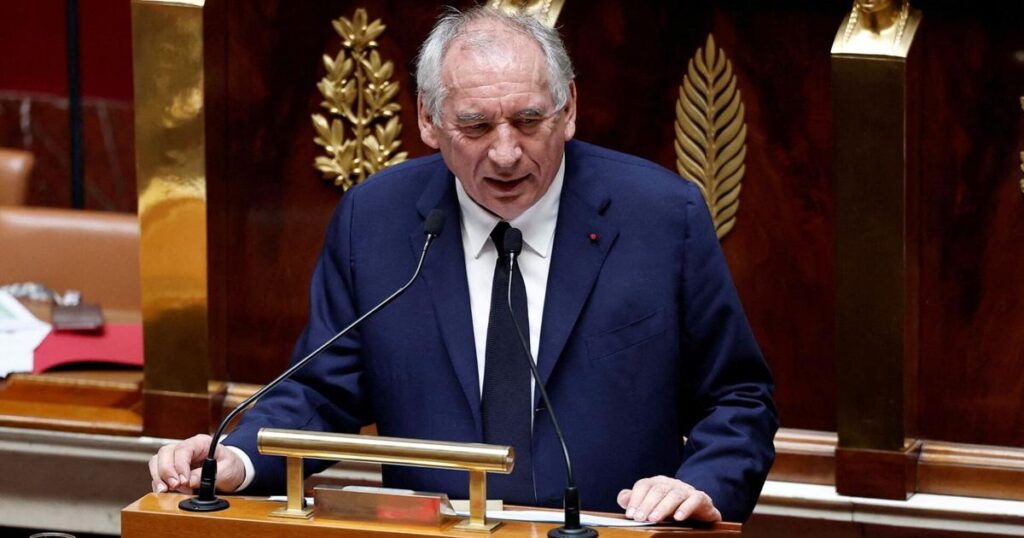
France’s National Assembly voted to bring down Prime Minister Francois Bayrou’s government on September 8, rejecting his confidence motion by a margin of 364 to 194 and forcing President Emmanuel Macron to search for a fourth prime minister in just over a year.
Bayrou had called the vote himself, betting that lawmakers would ultimately back a plan to cut 44 billion euros from the 2026 budget after France’s deficit reached 5.8 percent of gross domestic product last year, nearly double the European Union’s 3 percent target. Instead, opposition parties across the political spectrum lined up against him, and members of his own governing coalition failed to deliver enough votes to save his government.
What happens to France’s government now?
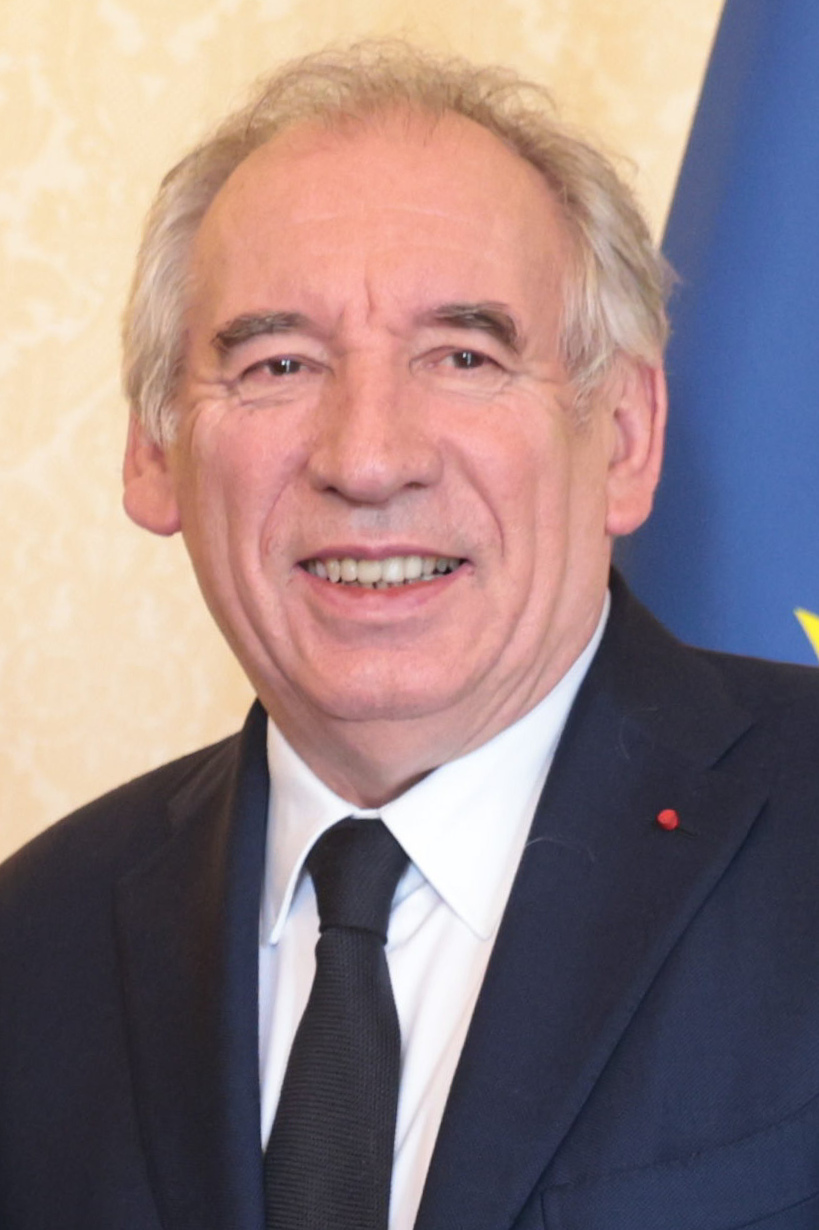
Under the French constitution, Bayrou is expected to submit his resignation to Macron, who must then appoint a successor. The Elysee Palace said Macron intends to name a new prime minister within days, and reports from French outlets suggest he may turn to a figure from the center-left in an attempt to build a more durable governing coalition than the fragile arrangements that toppled his previous two prime ministers.

Marine Le Pen of the far-right National Rally called for Macron himself to step aside, arguing on social media that “the real reset would be the resignation of the French president” and urging him to call early elections. Manuel Bompard of the hard-left France Unbowed party mocked Bayrou’s earlier complaint that lawmakers had wasted time during the August recess, saying Bayrou would soon have plenty of vacation of his own.
The collapse marks the third French government to fall in roughly twelve months, a pattern that has left the eurozone’s second-largest economy without a stable budget process even as its debt load climbs. Investors have watched the political turmoil warily, since any further delay in passing a 2026 budget could complicate France’s borrowing costs and its relationship with EU fiscal rules.
Nationwide protests against austerity measures were already scheduled for September 10, and officials say Macron may try to name a new premier before those demonstrations begin in an effort to project stability. No timeline for passing an actual budget has been set, and analysts expect whoever replaces Bayrou to face many of the same parliamentary divisions that ended his tenure.
Sources: NPR · PBS NewsHour · CNN
Related from BeezLoop: France Has Recorded 301 Drowning Deaths This Summer, The Pope Says We Are at Risk of Losing Our Humanity in a ‘Paradise of Machines’ and Why French Newspapers Are Fighting Google’s AI Summaries.