

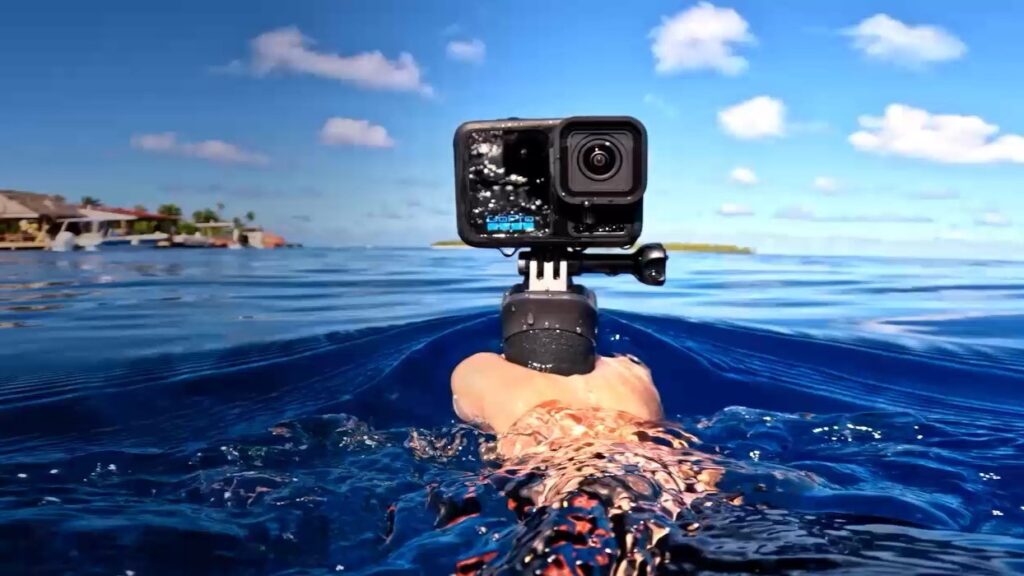
GoPro just told the world it’s becoming a photonics company. On September 1, GoPro announced a definitive merger agreement with Starman Optical Inc., a privately held maker of optical transceivers used in AI data centers, in a deal valued around $285 million. Under the terms, GoPro shareholders get $1.14 per share in cash and keep roughly 10% ownership of the combined company, which will stay publicly traded. GoPro says its consumer camera lineup, the Hero line and the Max 360 cameras, isn’t going anywhere and will keep getting full support.
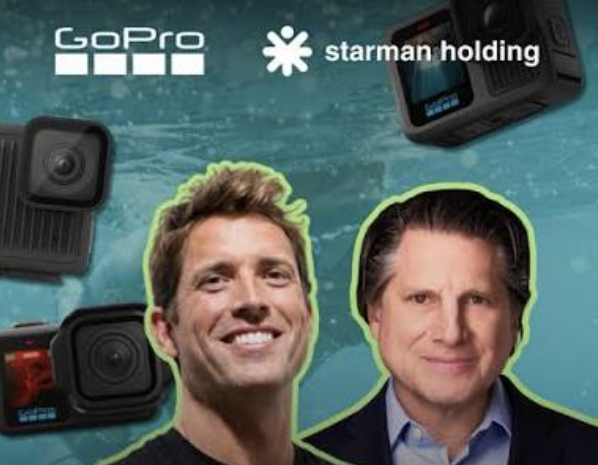
Starman Optical builds the transceivers that shuttle data between servers inside AI data centers at high speed, the unglamorous plumbing behind the current AI infrastructure boom. Forbes framed the deal bluntly: GoPro is the latest public company to bolt an “AI pivot” onto its name, following a pattern where struggling hardware and media companies rebrand around AI-adjacent business lines to reset investor expectations. GoPro’s stock has been battered for years as smartphone cameras ate into the action-camera market, so pairing with a photonics company gives the ticker a new growth story to sell.
The merger news alone would have been a modest business story. What turned it into a much bigger one was timing. Around the same period, YouTuber Mark Fischbach, known as Markiplier, disclosed an 8.5% stake in GoPro, making him the company’s largest single shareholder. Fischbach has used GoPro cameras in his videos for years, including behind-the-scenes footage from his film work, and had been an early booster of the company’s Mission 1 Pro ILS camera. His stake announcement landed close enough to the Starman Optical news that GoPro shares, which had been trading for pennies, roughly doubled over two days and briefly pushed past $1.50.

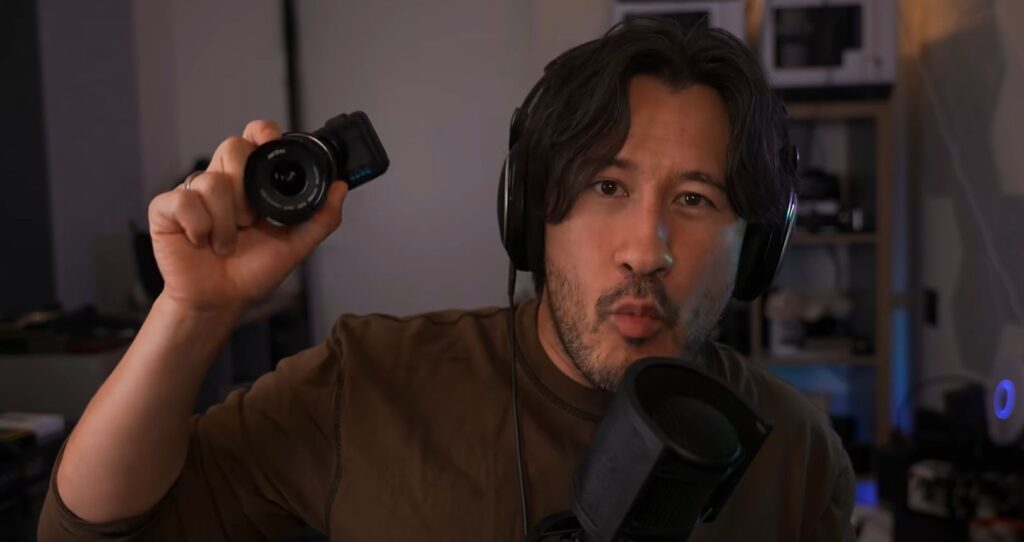
The complication: Fischbach had posted a sponsored video promoting GoPro’s Mission 1 Pro ILS camera, complete with an affiliate code, without disclosing anywhere in the video or caption that he now owned a meaningful stake in the company. That’s the kind of overlap securities lawyers and YouTube’s own disclosure rules both frown on, and it didn’t take long for another prominent tech reviewer to notice.
Marques Brownlee, the reviewer known to millions as MKBHD, posted a screenshot from Fischbach’s sponsored video on Threads with the comment: “This is not a line I see crossed very often, but to each their own.” It’s a mild sentence by Brownlee’s usual standards, but coming from one of the most-watched tech reviewers on the internet, aimed at another creator with tens of millions of subscribers, it read as a pointed rebuke of the lack of disclosure rather than a passing observation.
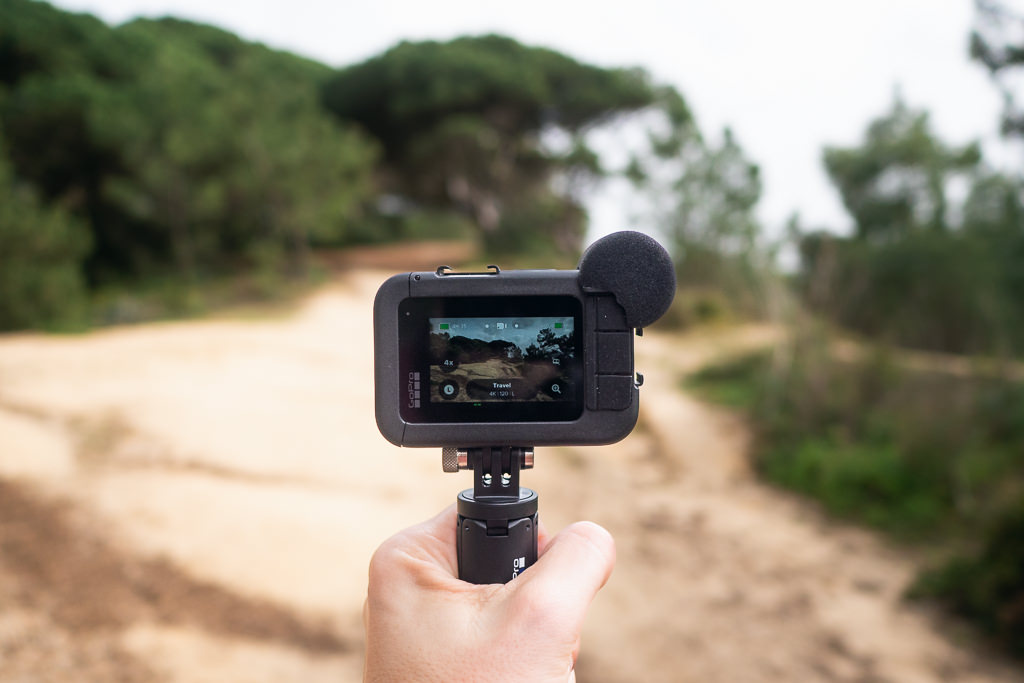
Put together, the sequence looks like this: a small, unglamorous optical components company agrees to combine with a struggling camera brand, a huge YouTuber buys a chunk of that camera brand’s stock right around the same time, that YouTuber’s own promotional content for the brand doesn’t mention his new financial stake, and a peer reviewer calls it out publicly. None of it requires GoPro’s AI data center ambitions to be fake or the merger terms to be shady for the whole situation to look messy. The merger is real and detailed in GoPro’s own SEC filing and PRNewswire release. The stock pop is real and tied to genuine trading data. The disclosure gap in Fischbach’s video is also real, and it’s the part that’s likely to draw the most scrutiny in the days ahead, regardless of how the Starman Optical deal itself plays out.
Whether GoPro’s move into AI data center optics goes anywhere for the underlying photonics business is a separate question from whether Fischbach should have flagged his stake before posting a sponsored review. Both threads are worth watching, and neither one settles the other.
Sources: TechCrunch, PRNewswire, Forbes, and The Daily Dip.
Related from BeezLoop: Kristi Noem Filed for Divorce After 34 Years, Pixel Phones Keep Failing at the Card Reader and A Judge Blocked Mamdani’s Second-Home Tax Rollout.