
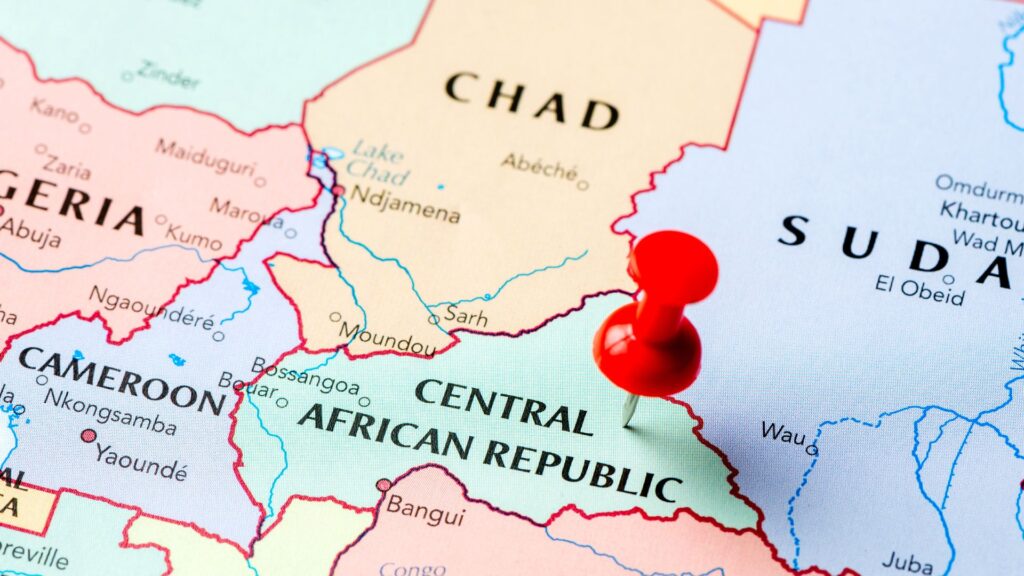
Cuban immigrants who had been living in Florida are being deported to the Central African Republic, one of the world’s poorest and most conflict-affected countries, under the Trump administration’s expanding “third-country” deportation program.
How the Program Works
The Central African Republic is one of 35 countries now accepting deportees from the US in exchange for federal contracts, even when deportees have no ties to the country and are not being sent to their home nations. Many detainees say they were not told their destination until the flight was already in the air.
One Man’s Story
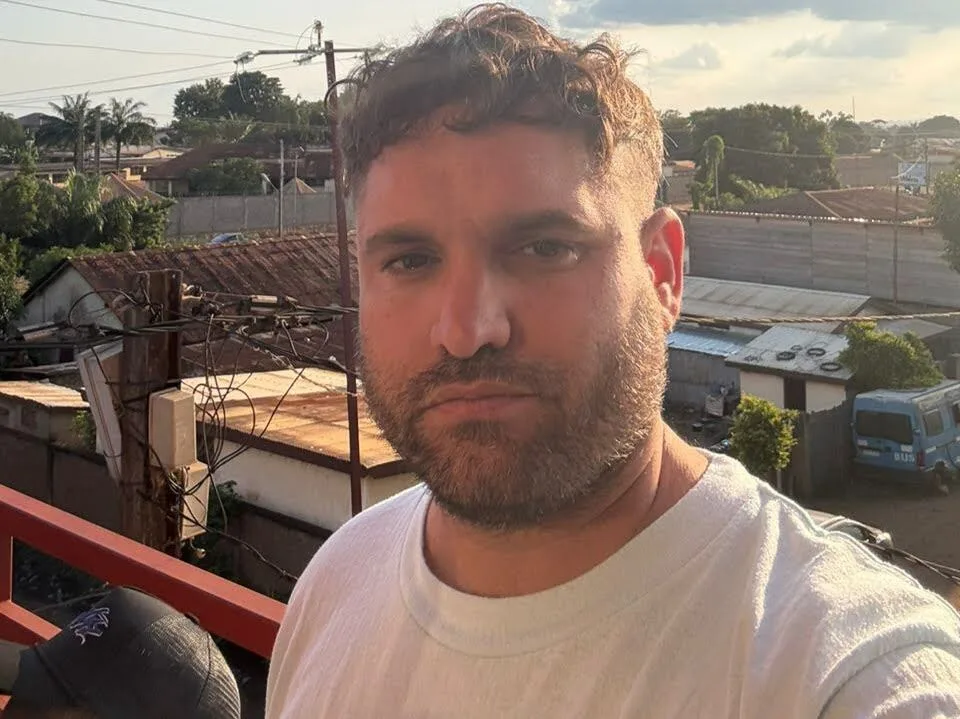
Yasmany Moreno de Armas, 31, had lived and worked in Florida after arriving in the US by boat in 2016. He was arrested by immigration officials in May 2025, spent about a year in ICE custody, and was deported to the Central African Republic in late July. “We cannot leave, we don’t have documents and we’re suffering and missing our families, in a continent we don’t know,” he said. “If you’re going to be deported, it should be to your home country.”

The Scale in Florida
Between October 2025 and June 2026, more than 4,000 Cubans were issued deportation orders in Florida alone. Nationally, roughly 22,000 people have been sent to at least 26 countries under the third-country deportation program as of early August.
Conditions on the Ground
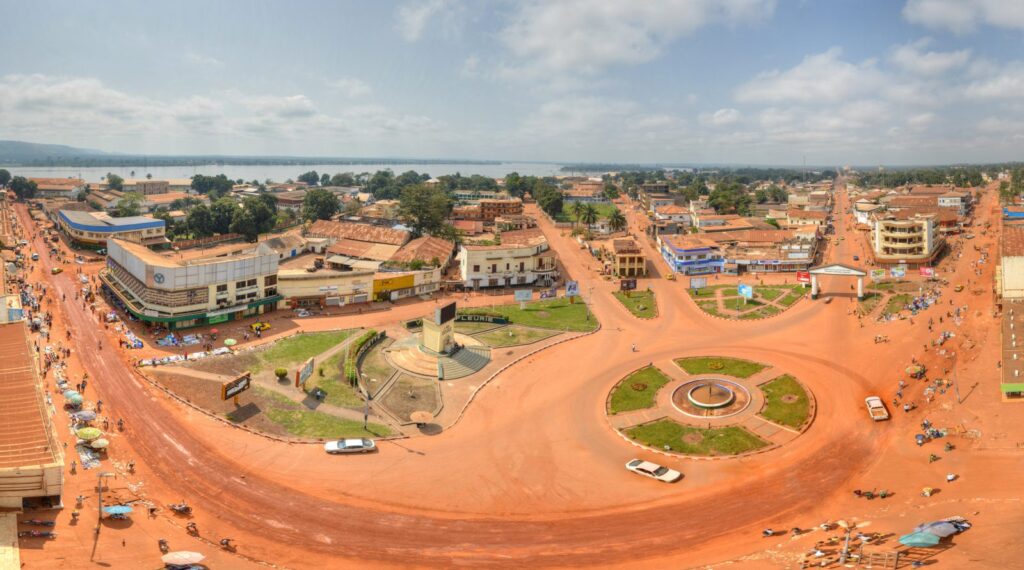
Deportees describe being stranded in Bangui without documents, money, or local language skills, in a country the US State Department already warns Americans not to visit due to crime and armed conflict.
Related from BeezLoop: Salazar Helped Fund ICE. Now That It's in Miami, She Says It Went Too Far, Byron Donalds Says Florida Can Train Workers to Replace Haitian Healthcare Employees and A Florida ICE Facility Rated for 50 Held 342 People.