
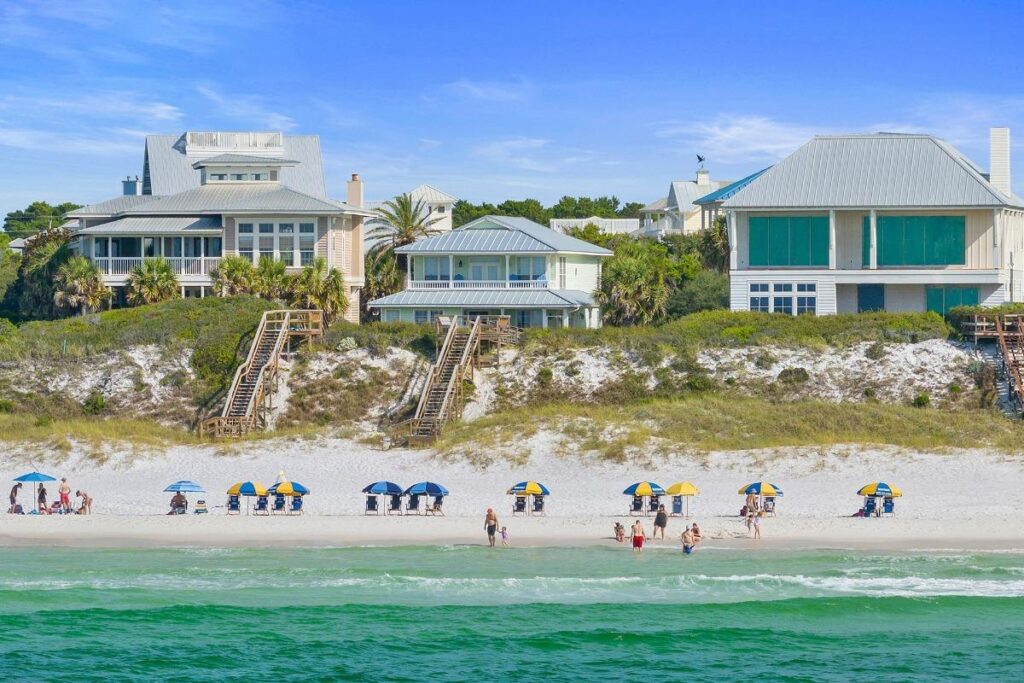
Homeowners in coastal and flood-prone neighborhoods are increasingly finding that a single small claim, even one that’s not their fault, can get their policy dropped entirely once an insurer’s risk models re-flag their zip code. A homeowner in a Rhode Island coastal town described exactly that: a neighbor’s car crashed into their porch, they filed a routine claim, and their insurer canceled the policy outright rather than pay out and continue coverage.
Once a policy is canceled with an open claim on file, finding a new standard insurer willing to write a policy on that address becomes extremely difficult. Homeowners in that position are often pushed onto force-placed insurance, a more expensive, lender-arranged backstop that can add thousands of dollars a year to housing costs.
Why This Keeps Happening
Insurers have increasingly turned to proprietary climate-risk models that reassess flood and wildfire exposure at a much finer geographic resolution than the government’s official flood maps, and a policy cancellation or non-renewal can follow even without a major disaster ever touching the property. States regulate insurers’ ability to cancel policies to varying degrees, but coverage requirements differ widely, and force-placed insurance in particular operates with far less price regulation than standard homeowners policies.
What Homeowners Can Actually Do
Shopping a policy through an independent broker rather than a single carrier, checking a property’s flood-zone status directly through FEMA’s map service before problems arise, and appealing a non-renewal in writing are the main practical options available once an insurer moves to drop coverage. State insurance commissioners in several coastal states have also begun requiring insurers to disclose the specific reason for a non-renewal, giving homeowners more to work with when they push back.
Related from BeezLoop: Getting Dropped by Your Home Insurer? Here's What You Can Actually Do, RI's Soccer Stadium Costs Draw Comparisons to Curt Schilling's 38 Studios and Pawtucket Police Use License-Plate Cameras to Arrest 2 After Gunfire Hits Child's Bedroom.