

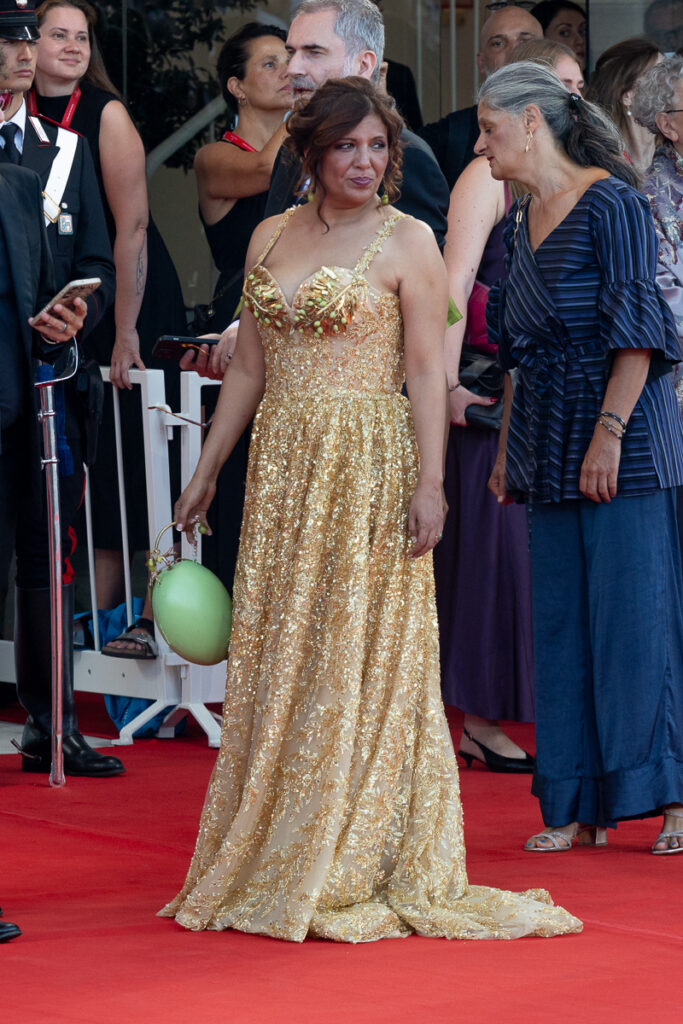
The Venice Film Festival opened this year with Clooney on the red carpet and a lineup organizers are calling its “most political ever,” tackling Gaza, Ukraine, ICE, and the rise of authoritarian power across the official selection. It also opened with a fight over something more basic: how few of those films were actually made by women.
Just one woman director made it into this year’s competition lineup, down from six of 21 last year. Festival director Alberto Barbera defended the selection, saying fewer films directed by women were submitted this cycle and that the ones that were didn’t clear the bar for quality.
The pushback
That explanation hasn’t landed well with critics and filmmakers who point out the pattern isn’t new, and that “not enough good submissions” is the same excuse festivals have leaned on for years whenever the numbers get called out. The festival also briefly announced it would cancel its annual jury press conference over what it called scheduling conflicts, before reversing course after backlash, a sequence that didn’t do much to quiet suspicions that Venice was trying to dodge uncomfortable questions.

The 83rd edition runs through September 12 and opened with Danny Boyle’s “Ink,” a dramatization of Rupert Murdoch’s early tabloid years. Also drawing attention is Luca Guadagnino’s “Artificial,” which reenacts the boardroom chaos at OpenAI during Sam Altman’s brief 2023 ouster, a film Amazon MGM reportedly passed on before Neon picked it up.
Why the numbers matter
Festival selections shape who gets distribution deals, who gets awards buzz, and ultimately who gets funding for their next project. A single woman in a 21-film competition lineup isn’t just an optics problem for one festival cycle, it’s a data point in an industry that critics say still treats female directors as an exception to accommodate rather than a normal part of the pool. Barbera’s answer, that the submissions just weren’t there, sidesteps the harder question of why fewer women are getting the backing to make festival-caliber films in the first place.
Related from BeezLoop: Twelve States and Hollywood Writers Just Stepped Aside, Natalie Portman Welcomes Third Child, Her First With Partner Tanguy Destable and Nicki Minaj Named Judge for Trump Administration's Million Dollar Pitch Competition.
Sources: The Hollywood Reporter · Variety · World of Reel