
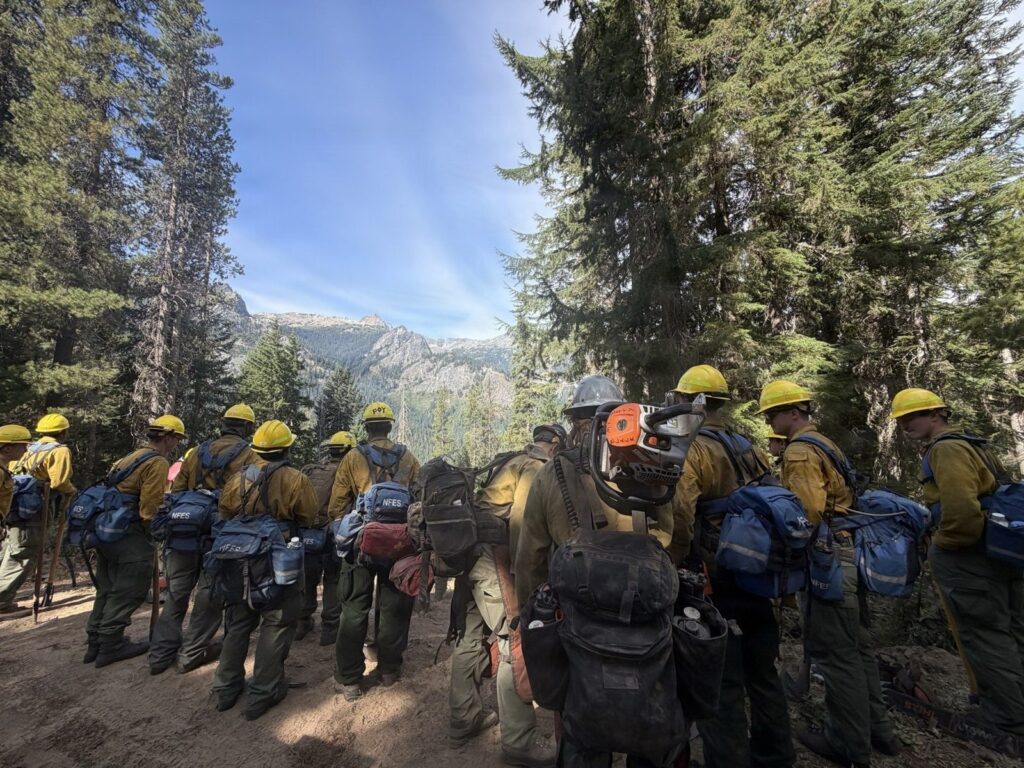
Active-duty infantry soldiers are on a fireline in Washington state right now, cutting brush and building containment breaks, because the country ran out of civilian firefighters to send. That is not a metaphor. It is a staffing decision.
Roughly 240 soldiers from the 1st Battalion, 23rd Infantry Regiment, 7th Infantry Division, based at Joint Base Lewis-McChord, were activated as wildland hand crews and moved onto the Little Giant Fire near Plain, Washington on August 20, after first working the Modrite Fire earlier in the month, according to Defense Visual Information Distribution Service reporting. The Little Giant Fire had grown to more than 147,500 acres and was the nation’s top-priority wildfire as of late August, per the Lake Chelan Mirror, and it drew in Washington National Guard troops plus firefighters from Australia and New Zealand alongside the active-duty soldiers.
The bigger number is the one that explains why soldiers are out there at all. The country has been sitting at National Preparedness Level 5, the highest alert level on the five-point national wildfire scale, since July 18, the first time it has hit that ceiling since October 2024. Nationally, more than 52,000 fires have burned upwards of 8.2 million acres so far in 2026, well above the 10-year average for both fires and acreage, according to National Interagency Fire Center data reported by Time.
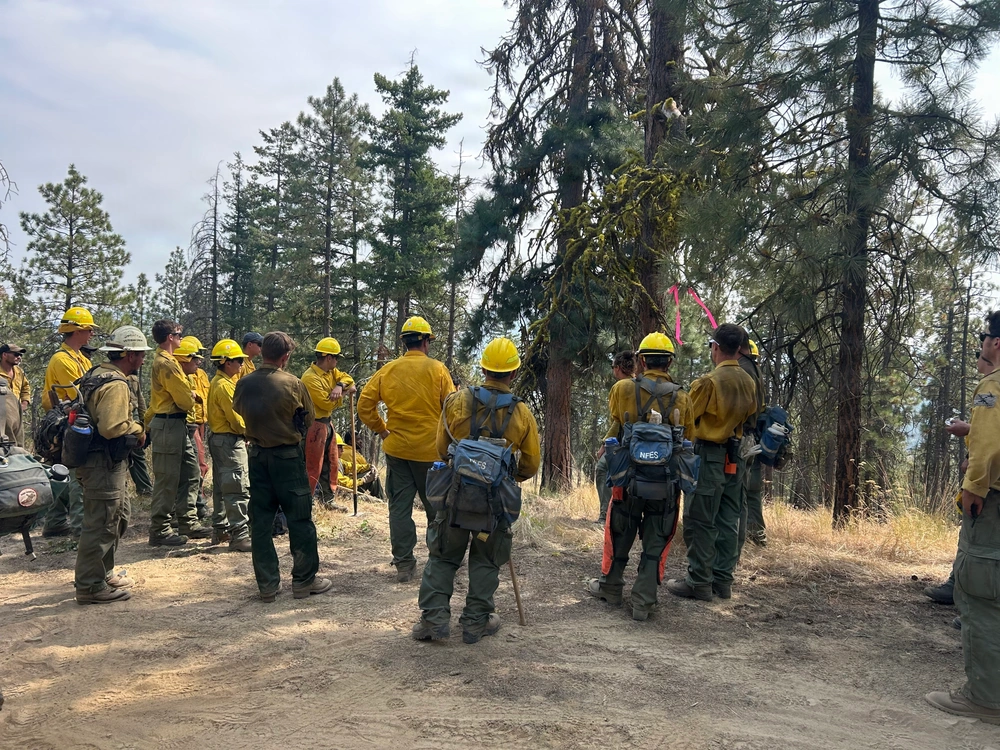
Level 5 means nearly every trained civilian and contract firefighting resource in the country is already committed somewhere else. When that happens, the fallback isn’t a mystery, it’s the military, because active-duty units are one of the only large, organized labor pools the government can mobilize on short notice. That’s common sense triage, not a scandal. But it’s worth being honest about what it means: soldiers trained for combat readiness are spending late summer swinging Pulaskis on a fireline instead of training for their actual jobs, because the civilian firefighting workforce hasn’t kept pace with how bad wildfire seasons have gotten.
This isn’t a one-year blip either. 2026 marks the second time in three fire seasons the country has needed a Level 5 declaration, and the acreage keeps outrunning the historical average by wide margins. Sending infantry battalions to cut firebreaks is a reasonable emergency response. It is not a substitute for building the civilian firefighting capacity that keeps this from becoming the default plan every August.