


A Delicious Irony
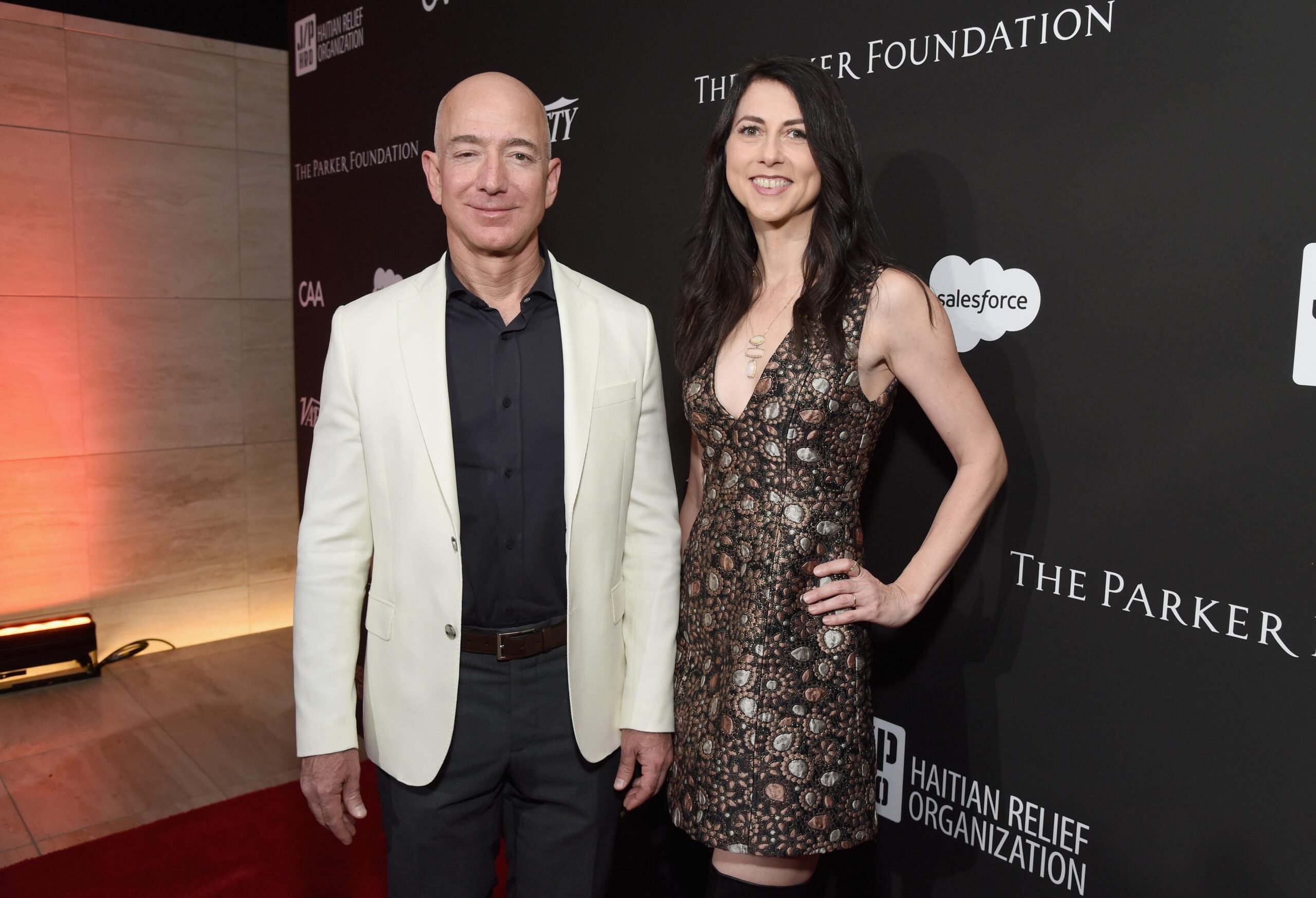
There is a delicious irony trending in the literary world today. MacKenzie Scott, author, philanthropist, and the ex-wife of Amazon founder Jeff Bezos, announced that she is self-publishing her third novel, Last Days in Two Nations (A History in Eighteen Minds), completely for free.
And she’s not doing it through a massive publishing conglomerate, nor is she using her ex-husband’s trillion-dollar retail monolith. She is releasing it serially on Substack.
She Doesn’t Need Any of It
Let’s apply some basic, boots-on-the-ground logic to this. Scott is the 64th richest person in the world, with a net worth hovering around $33.8 billion.

She doesn’t need a book contract, she doesn’t need an advance, and she certainly doesn’t need a corporate PR machine to get people’s attention. Yet her decision to bypass the traditional corporate gatekeepers tells us everything we need to know about the state of modern publishing.
Consolidated Gatekeepers
For decades, the publishing industry has consolidated into a handful of mega-conglomerates. These corporate giants act as hyper-commercialized filters, deciding which stories are “marketable” and which voices deserve to be heard.
They squeeze authors, inflate book prices, and treat literature like an assembly-line product. Even Amazon, which began as a disruptive online bookstore, has grown into a dominant monopoly that dictates terms to publishers and independent authors alike.
A Loud, Quiet Signal
By choosing Substack, a platform built on direct-to-reader subscriptions and decentralized distribution, Scott is sending a loud, quiet signal.
When one of the wealthiest philanthropists on Earth decides that the best way to share her art is to give it away for free, bypassing the hyper-commercialized corporate retail pipelines, she is exposing the bankruptcy of the gatekeepers.
It proves that true connection doesn’t need a corporate stamp of approval or a monopolistic storefront. Art belongs to the people, not the conglomerates. And sometimes, the most revolutionary thing a billionaire can do is simply let us read without charging us for the privilege.