
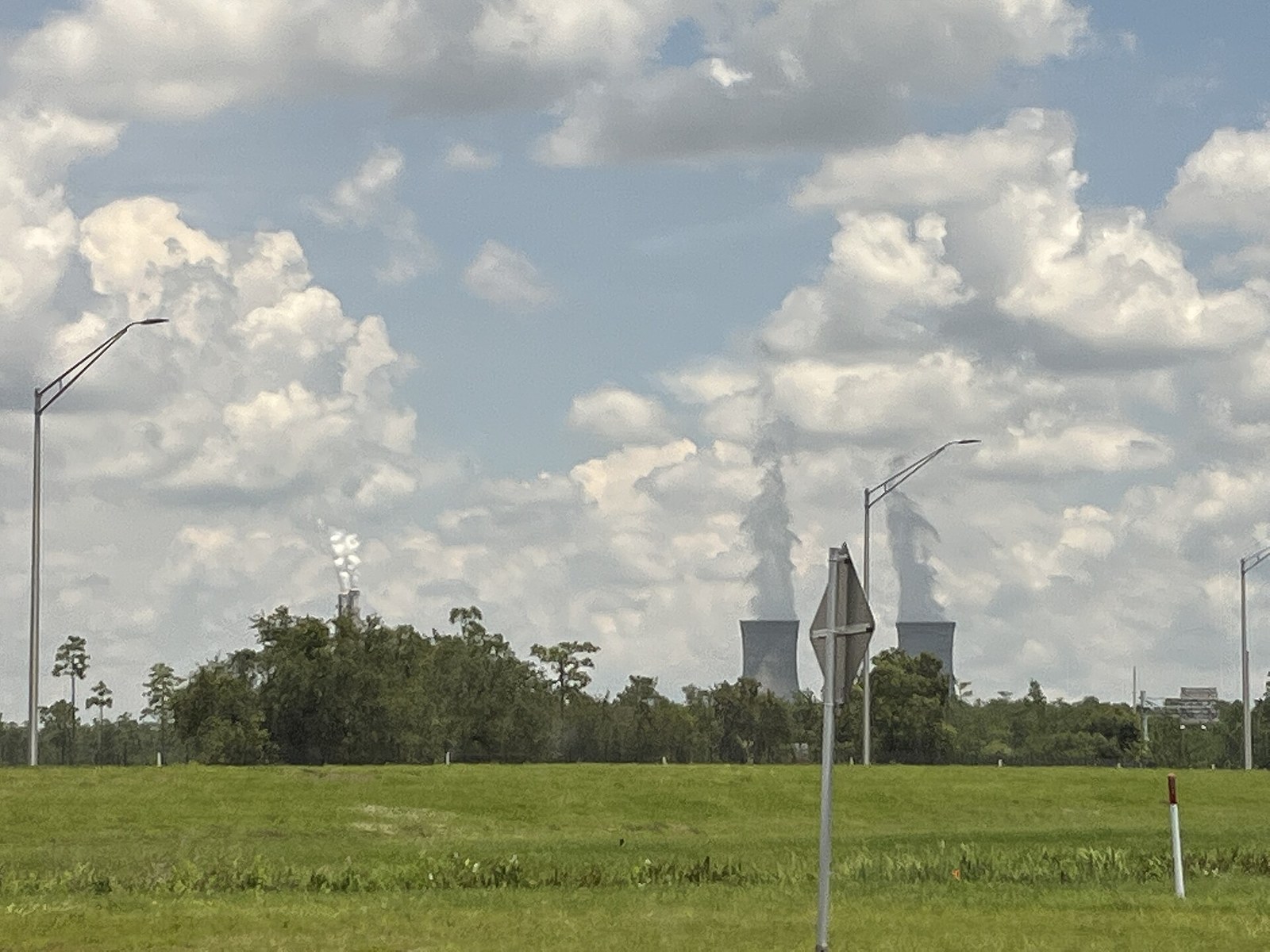
An Orlando coal plant that was supposed to shut down in May is still running because of federal emergency orders, and the current order runs out Nov. 30. The Trump administration has ordered Unit 1 at the Orlando Utilities Commission’s Stanton Energy Center to stay online twice since June, and opponents expect a third order any day.
Keeping it open has cost about $25.6 million so far, roughly $6.2 million a month, according to an Environmental Defense Fund estimate reported by Inside Climate News. The question for OUC customers in Orange and Osceola counties is who ends up paying for it.
Why is the Stanton coal plant still running?
OUC planned to put the 465-megawatt coal unit into extended shutdown on May 31. On June 4, Energy Secretary Chris Wright used emergency powers under the Federal Power Act to order it to keep running for 90 days. He renewed the order on Sept. 1, through Nov. 30. “Taking reliable generation offline compromises energy reliability and needlessly raises energy costs for Americans,” Wright said in announcing it.

The Energy Department points to rising demand from data centers, a February cold snap, and a shortage of power plants. But OUC told state regulators it expects to have enough capacity to meet its reserve requirements through 2035, Utility Dive reported. That’s the core of the dispute: the utility that owns the plant didn’t think it needed it.

Will Orlando customers pay for the coal plant on their bills?
Possibly, but not yet. The Federal Power Act lets a utility recover the cost of complying with one of these orders, and the Energy Department told OUC to file rate changes with federal regulators to do it. The Sierra Club says OUC hasn’t filed to recover the costs yet. Nobody has published what it would mean per household, and OUC disputes the outside estimates, saying they’re “based on assumptions that do not reflect the comprehensive analysis OUC regularly undergoes.”
Don’t confuse it with the other OUC bill news. The utility has separately proposed cutting its fuel charge by about $5 a month on a typical 1,000-kilowatt-hour bill starting in April 2027, WKMG reported. The board votes in December. That’s about fuel prices, not the coal order.
Is anyone fighting the coal plant order?
Yes. The Environmental Defense Fund, the Sierra Club and Earthjustice, representing Florida Rising, sued in federal appeals court in Washington in August and have challenged the second order too. “Cheaper, cleaner and more reliable power has already made this coal plant unnecessary,” EDF’s Ted Kelly said. In September, the same court ruled against a similar Energy Department order for a Michigan coal plant, finding no emergency, according to Inside Climate News.
Earthjustice attorney Bradley Marshall expects another order before Nov. 30: “If they stay true to form then they’re going to issue another order.” An Energy Department spokesperson told Inside Climate News that “radical climate activists will say anything to further their anti-energy agenda.” Data centers are driving the same fight in Congress, where the Senate’s permitting bill is moving.
The BeezLoop Take
An emergency order is supposed to be for emergencies. Here, the utility said it had enough power through 2035, the grid reliability group NERC rated Florida’s long-term risk as normal, and the government kept the plant running anyway, twice. If a third order comes, the Energy Department should have to show the emergency, not just name it, because the bill for keeping coal plants alive tends to land on ratepayers.
If federal courts keep finding no emergency, who pays for the months a plant was kept running while the case was decided?