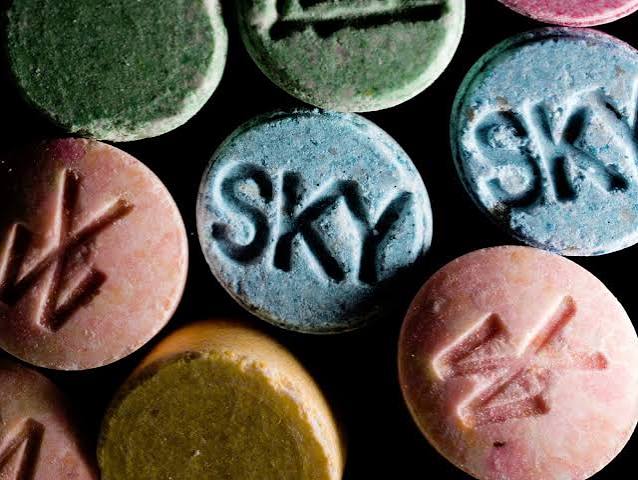
New Zealand has cleared the way for doctors to prescribe MDMA to patients with severe post-traumatic stress disorder, making it only the second country to approve it as a standing, clinic-based prescribing pathway, after Australia in 2023, to formally allow the once-outlawed party drug into psychiatric treatment. (Switzerland and Canada already permit narrower, case-by-case compassionate-use MDMA therapy outside that kind of standing pathway.)
Medsafe, the country’s medicines regulator, has authorized two psychiatrists, Dr. Gary Wynn in Wellington and Dr. Tom Paterson in Auckland, to prescribe pharmaceutical-grade MDMA to adults whose PTSD has not responded to standard treatments. Patients will not be handed pills to take home. The drug is administered in a clinical setting, under direct supervision, as part of a structured course of therapy that pairs a handful of MDMA sessions with ongoing talk therapy.
Why regulators moved on a party drug
The decision follows Australia’s 2023 move to reclassify MDMA and psilocybin for prescription use in treatment-resistant PTSD and depression, a decision that itself leaned heavily on clinical trial data out of the United States. In one widely cited 2021 trial, 88 percent of participants with severe PTSD who underwent MDMA-assisted therapy showed clinically meaningful improvement, and two-thirds no longer met the diagnostic threshold for the disorder afterward.

That is a striking number for a condition that has proven stubbornly resistant to existing medications. Standard antidepressants help some PTSD patients, but a large share, especially veterans and survivors of prolonged trauma, see limited benefit even after years of treatment. Health officials in Wellington framed the approval as filling that gap for people who have already tried everything else, not as a shortcut around conventional care.
Tightly controlled, not a free-for-all
Nobody is walking out of a New Zealand clinic with a prescription bottle. Patients must be adults, must be assessed and referred through the authorized psychiatrists, and the MDMA itself is administered only inside a supervised session alongside a therapist, as part of what health officials describe as a comprehensive treatment plan rather than a standalone drug regimen. The framework mirrors the model Australia adopted three years ago: narrow eligibility, specialist-only prescribing, and no take-home doses.
Critics of psychedelic-assisted therapy have long pointed out that the evidence base, while promising, is still built on a relatively small number of trials, and that MDMA’s history as a recreational drug complicates public and clinical trust. Regulators in both countries appear to be betting that tight controls address that concern better than an outright ban does, especially for patients who have run out of other options.
Sources: RNZ · Beehive.govt.nz · Euronews
Related from BeezLoop: FDA Holds First-Ever Public Hearing on Therapeutic Use of Psychedelic Drugs, They Locked Themselves in a Bathroom and Called 911. The Fight Started Over Missing Food and Perez Hilton Suffered Broken Bones Amid Mental Health Crisis, Brother-in-Law Says.