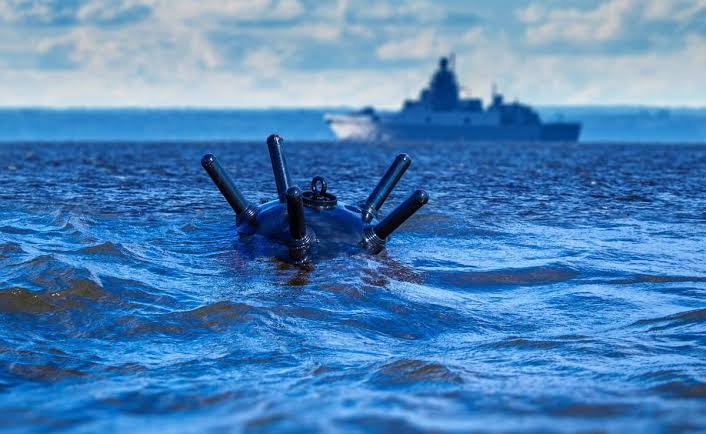
President Trump announced Tuesday that the U.S. Navy has cleared all mines from the main shipping lane of the Strait of Hormuz, months after Iran laid them during this year’s Gulf conflict, and warned Tehran that any new mines will be “immediately and systematically destroyed.”
How the Mines Got There, and How They Came Out
Iran mined sections of the strait during the broader U.S.-Iran conflict earlier this year, part of an effort to threaten the roughly one-fifth of global oil and gas shipments that pass through the waterway. Over the following months, U.S. Navy underwater drones systematically scanned the strait and located more than 100 suspected mines, which the military then had private contractors remove or detonate in what officials described as a deliberately low-key operation.
Trump’s Warning to Iran
“Iran has been notified that any ship or boat placing new mines will be immediately and systematically destroyed,” Trump said, adding that “there is a Zero Tolerance policy on mine placement in full force and effect.” Trump also said the U.S. is monitoring Iran’s Pickaxe Mountain site and three previously destroyed nuclear facilities using Space Force surveillance capabilities.
Why the Clearing Matters
A cleared shipping lane allows significantly more oil tankers to transit the strait safely, easing one of the pressure points that has weighed on global energy markets since the conflict began, and reduces the leverage Iran has held over shipping traffic and, by extension, over any future negotiations with the Trump administration. It follows separate reporting that Iran’s own attacks on Qatar earlier this year knocked out a large share of that country’s LNG export capacity, underscoring how much regional energy infrastructure has been caught in the crossfire this year even as the direct fighting has wound down.
Related from BeezLoop: Trump Won't Say If US Struck Iranian Ship, Floats Keeping Iran's Oil Like Venezuela, Trump Calls the Strait of Hormuz 'US Territory.' Iran Calls Him 'Delusional.' and Trump Threatens to Bomb Oman as Iran Fires Missiles Toward the UAE.