

--° Loading... Locating...
NASA’s Rescue Mission for the Falling Swift Space Telescope Has Failed

NASA’s Rescue Mission for the Falling Swift Space Telescope Has Failed

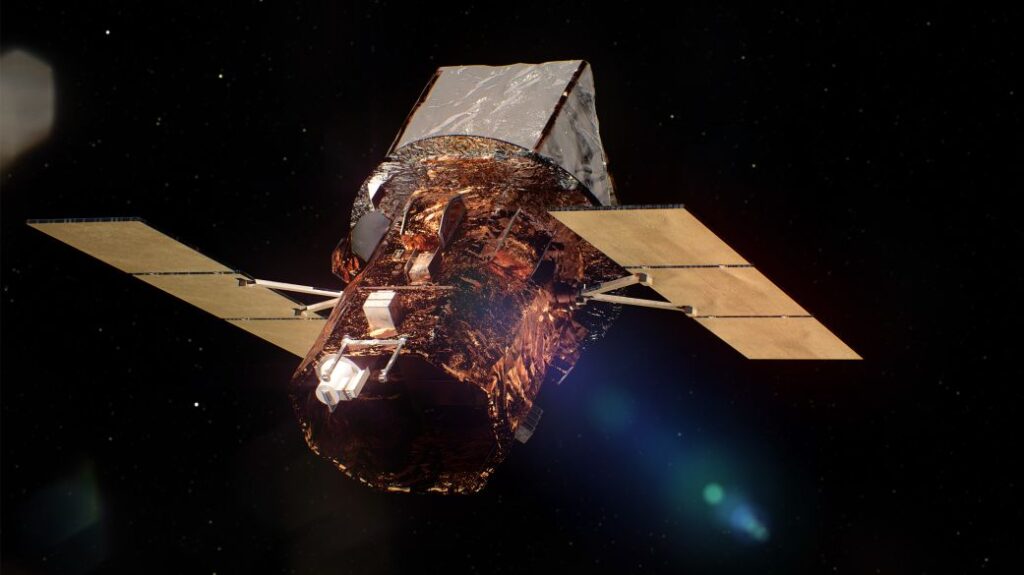
NASA has called off its rescue mission for the aging Neil Gehrels Swift Observatory after the private spacecraft sent to boost it into a higher orbit suffered an unrecoverable hardware failure.

Center

Key Points

  • NASA has called off its rescue mission for the aging Neil Gehrels Swift Observatory after the private spacecraft sent to boost it into a higher orbit suffered an unrecoverable hardware failure.
  • The 21 year old telescope, which has spent more than two decades mapping gamma ray bursts, will now burn up re-entering Earth's atmosphere later this year.
  • NASA hired Katalyst Space Technologies to build and fly a servicing spacecraft called LINK, giving the startup roughly nine months to design, build, and launch it after realizing Swift's orbit was decaying faster than expected.
  • LINK launched July 3 on a Pegasus XL rocket.
  • About three weeks later, two of its three reaction wheels failed, sending it into an uncontrolled spin and cutting off reliable communication.
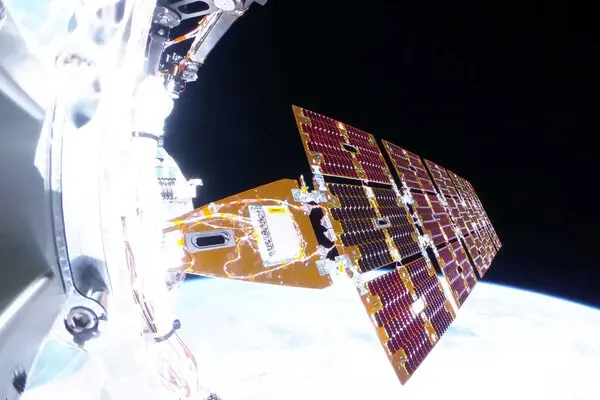
  • Katalyst did regain some control of LINK after the initial spin, but the recovery cost roughly a month, and on August 19 NASA and Katalyst jointly announced the spacecraft would not be able to capture and boost Swift after all.
  • There was no backup plan; the $30 million mission was built as a single attempt on a compressed timeline, not a multi-try campaign, because Swift's orbit was already falling too fast to wait for a second spacecraft.
Listen to our news podcast

NASA has called off its rescue mission for the aging Neil Gehrels Swift Observatory after the private spacecraft sent to boost it into a higher orbit suffered an unrecoverable hardware failure. The 21 year old telescope, which has spent more than two decades mapping gamma ray bursts, will now burn up re-entering Earth’s atmosphere later this year.

NASA hired Katalyst Space Technologies to build and fly a servicing spacecraft called LINK, giving the startup roughly nine months to design, build, and launch it after realizing Swift’s orbit was decaying faster than expected. LINK launched July 3 on a Pegasus XL rocket. About three weeks later, two of its three reaction wheels failed, sending it into an uncontrolled spin and cutting off reliable communication.

Why Couldn’t NASA Just Try Again?

Katalyst did regain some control of LINK after the initial spin, but the recovery cost roughly a month, and on August 19 NASA and Katalyst jointly announced the spacecraft would not be able to capture and boost Swift after all. There was no backup plan; the $30 million mission was built as a single attempt on a compressed timeline, not a multi-try campaign, because Swift’s orbit was already falling too fast to wait for a second spacecraft.

Katalyst says it will still attempt to approach Swift for technology demonstration purposes, even without the boost. That’s a consolation prize for the company, not for the observatory, which entered service in 2004 and will not be replaced by this mission regardless of what LINK manages to demonstrate on its way past. More detail on the failure is available from CNN.

Related from BeezLoop: Fission in the Heavens: Why NASA is Finally Throwing Out the Bureaucratic Playbook, NASA's Roman Space Telescope Launches; Trump Calls In to Congratulate Team and NASA's Jared Isaacman Announces MAX POWER Expo as Agency Cuts Legacy Contracts.


How We Sourced This

Written by Kevin Nordi

Kevin Nordi is a freelance writer with five years of experience covering politics, sports, and the everyday moments that shape people's lives. He holds a Bachelor of Science in Multimedia…

More from this author →

BeezLoop News is an independent online news, discussion, opinion, and blog publication. Our articles combine reporting with editorial commentary and analysis. See our editorial standards for how we handle sourcing and corrections.

Leave a Reply

Your email address will not be published. Required fields are marked *

Start typing to search

🔔

Stay Updated!

Get instant notifications for breaking news and important stories. We'll keep you informed!

Don't miss a story

Get the day's clearest news explainers in your inbox.