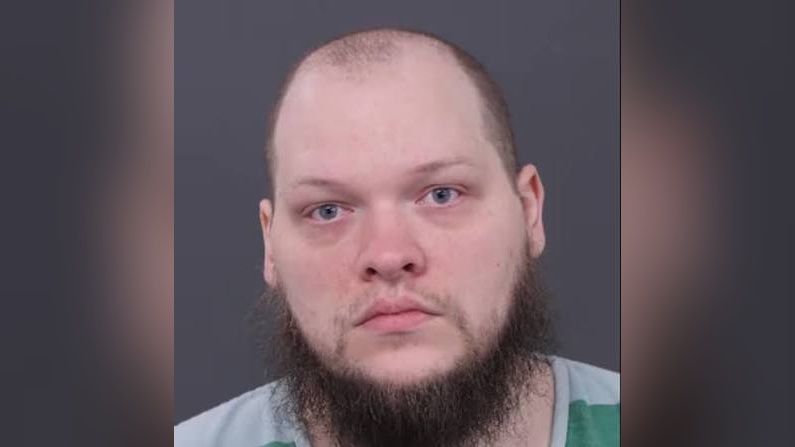
A Bucks County, Pennsylvania man who fired a 9mm round at a DoorDash driver because his cheesesteak took too long has been sentenced to 4 to 10 years in state prison. Keilan Marshal McKeever, 33, of Richlandtown, shot at the car of a 19-year-old college student who was delivering his order.
What actually happened that night?
On March 22, 2025, McKeever answered his door carrying a loaded 9mm handgun to collect a DoorDash order. Prosecutors said he began berating the driver, Khalik Lewis, over how long the delivery had taken, then followed Lewis out to his parked car near 1st Avenue and Cherry Street and grabbed the vehicle’s hood. As Lewis tried to drive away, McKeever fired at the car. The bullet went through the rear window and shattered the glass. Lewis, a 19-year-old college student working delivery shifts, was not struck.
What was he charged with, and why isn’t it attempted murder?
McKeever was originally charged with attempted murder, but pleaded guilty earlier this year to aggravated assault and related offenses in an agreement that had prosecutors drop the attempted murder count. Beyond the 4-to-10-year prison term, he was ordered to pay more than $2,000 in restitution and to undergo a mental health evaluation. The plea deal is what converted a potential life-exposure case into a fixed state prison sentence, which is a common outcome when a defendant accepts responsibility and the victim wasn’t physically injured.
Why is a single delivery dispute drawing national attention?
Partly the absurd specificity of it, a cheesesteak and a gun is the kind of detail that travels. But it also lands on a real anxiety for the millions of people doing gig delivery work, who show up alone at strangers’ homes, often at night, with no employer security and no control over the delays that customers get angry about. Lewis had no say in how long the food took, which is the part that makes the case resonate: the driver absorbed the consequences of a wait he didn’t cause and couldn’t have prevented. Delivery platforms let customers rate and complain about late orders, but the person physically standing at the door is the one who takes the reaction.
Sources: Philadelphia Inquirer · PhillyVoice · WFMZ · 6ABC Philadelphia