

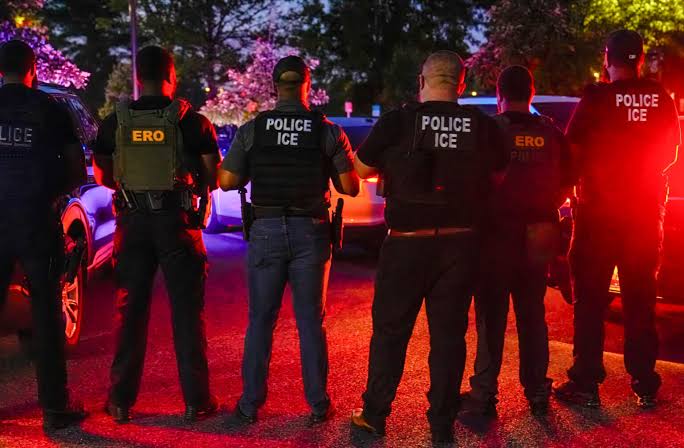
The Washington Post spent time riding along with Oklahoma Highway Patrol troopers this week as they carried out immigration arrests during routine traffic stops, and the story that came out of it shows just how far the state’s 287(g) partnership with ICE has gone since it started.
Oklahoma now has 28 law enforcement agencies with active 287(g) agreements, up from just three before 2025. Under those agreements, state and local officers are deputized to check immigration status and make arrests that would otherwise require a federal agent. The Highway Patrol has reportedly trained all 700 of its troopers to enforce immigration law alongside their normal duties.
The man who built it
A lot of that expansion traces back to Lance Schroyer, a former Oklahoma Highway Patrol major who President Trump tapped to lead ICE nationally. Schroyer helped run the Highway Patrol’s push to get troopers trained up on immigration enforcement before he moved to Washington, and the results are visible on I-40, where a three-day operation earlier this year netted 120 people taken into custody, 91 of them commercial truck drivers.

Supporters of the program call it a straightforward public-safety win: unauthorized drivers, especially commercial ones, off the road. Critics call it something closer to mission creep for a highway patrol that used to just write speeding tickets, now doing federal immigration work during what starts as a routine stop for a broken taillight.
What it means for drivers
For anyone driving through Oklahoma without legal status, a busted taillight or expired tag is now a potential gateway to a federal immigration case in a way it simply wasn’t two years ago. That’s the trade-off at the center of 287(g): it turns thousands of ordinary state troopers into extensions of ICE, without the public debate that usually accompanies a policy change of that size, because it’s implemented agency by agreement rather than through any single, visible law.
Whether that’s a feature or a bug depends entirely on which side of the traffic stop you’re on.
Related from BeezLoop: Salazar Helped Fund ICE. Now That It's in Miami, She Says It Went Too Far, A Fox News Poll Says 53% Think Immigration Enforcement Has Gone Too Far and Judge Blocks Warrantless ICE Arrests Across 7 SoCal Counties.
Sources: The Washington Post · U.S. Immigration and Customs Enforcement