

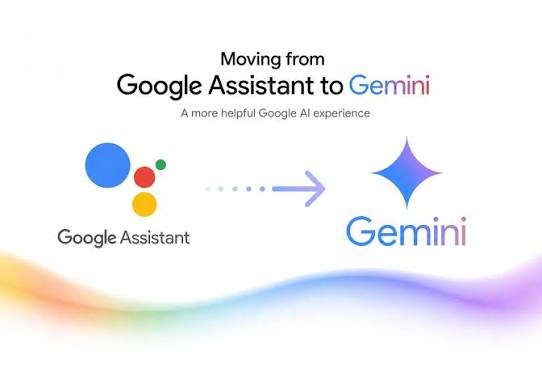
Google has begun permanently shutting down Google Assistant on Android phones, tablets, Wear OS watches, headphones and vehicles running Android Auto, with Gemini taking over as the default voice assistant across those devices.
The rollout started September 4 and is expected to reach all affected users over several weeks. Google notified existing Assistant users by email that once the switch reaches their device, there will be no way to revert back to Assistant. The company first signaled the transition in March 2025, when Gemini app product management lead Brian Marquardt said in a blog post that millions of people had already moved from Assistant to Gemini.
What changes for people who used Assistant every day?
Gemini takes over the “Hey Google” voice trigger and long-press power button shortcuts that previously summoned Assistant on phones, tablets, Wear OS watches, headphones and phone-projected Android Auto. Google TV devices and Google Home speakers and displays are sitting out this round of the rollout — Gemini is expected to reach them eventually, but Google hasn’t set a date. Assistant will continue operating for now in vehicles equipped with Google’s built-in software, as opposed to phone-projected Android Auto.

Some capabilities have not carried over cleanly. As of early August, Gemini did not yet support Assistant’s Interpreter Mode for real-time translation, and some podcast, radio and third-party music integrations that worked with Assistant were still unavailable through Gemini, according to reporting from 9to5Google and The Decoder.
Why is Google retiring a decade-old product now?
Google Assistant launched in 2016 and became one of the most widely used voice assistants in the world, embedded across hundreds of millions of Android devices. Google has spent the past two years redirecting engineering resources toward Gemini, its large language model-based assistant, as the company competes with OpenAI, Anthropic and other AI developers for position in consumer AI products. Folding Assistant into Gemini consolidates Google’s voice and AI assistant efforts into a single product rather than maintaining two parallel systems.
Sources: 9to5Google · The Decoder
Related from BeezLoop: Google Rushes Out Gemini 3.8 Flash for AI Search Just Weeks After 3.7, Raising Questions…, Why French Newspapers Are Fighting Google’s AI Summaries and Google, OpenAI and Anthropic Are Setting Up Their Own AI Safety Agency.