
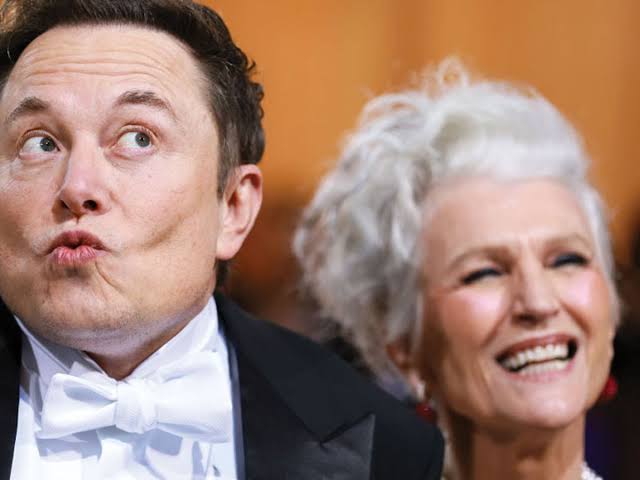
Maye Musk, Elon Musk’s mother, has said for years that she recognized her son as a genius by the time he was three years old. But she’s also been candid that spotting the talent early didn’t guarantee anything. “Many geniuses end up in a basement being a genius but not applying it,” she said, describing how she wasn’t sure that intelligence alone would translate into the outcome the world eventually saw.
Editor’s note: This is a recurring quote from Maye Musk’s memoir press tour and interviews over the past several years, not a new statement made this week. We’re covering it here as background on Musk’s upbringing, not as breaking news.
What made her think he was a genius at that age?
Maye, who has spoken about this on multiple occasions including CBS This Morning while promoting her memoir “A Woman Makes a Plan,” said the signal wasn’t precocious speech or early reading. It was how her son reasoned. “He would reason with me, and his reasoning was sensible,” she said, explaining that even as a toddler, Elon approached disagreements and questions with a kind of logical consistency she didn’t see as typical for his age.

Did she think it would necessarily lead to success?
No, and that’s the more interesting part of what she’s said. Recognizing raw intelligence in a young child didn’t mean she assumed he’d become one of the wealthiest people in the world. Her “basement” comment reflects a broader point she’s made about giftedness: that intellectual ability is common enough among people who never get the circumstances, support, or drive to apply it in a way the world notices. She’s framed Musk’s trajectory as the product of that early reasoning ability combined with an unusual willingness to take risks most people wouldn’t.
Who is Maye Musk beyond being Elon’s mother?
Maye Musk has her own independent career as a model and registered dietitian, working professionally into her 70s and becoming a CoverGirl brand ambassador at 69. She’s raised the point in interviews that her own persistence, modeling and working through decades where the industry wasn’t especially interested in older women, is part of what shaped how she raised her three children, Elon, Kimbal, and Tosca.
Why survivorship makes this story less useful than it sounds
Maye Musk’s account is sincere and almost certainly accurate as she remembers it. It is also, as evidence about identifying childhood genius, close to worthless, and the reason is worth naming because this genre of story is everywhere.
We are hearing from the mother of one of the wealthiest people alive, asked about his childhood after the outcome was known. Parents of extraordinarily successful adults are reliably able to recall early signs. Parents of ordinary adults are rarely asked. Nobody interviews the mother who thought her three-year-old was a genius and turned out to be wrong, and there are vastly more of those. Memory also reshapes itself around outcomes: a toddler who argued becomes, in retrospect, a toddler who reasoned.
The irony is that Maye Musk herself makes close to this point and gets less credit for it than the headline does. Her observation that many geniuses “end up in a basement being a genius but not applying it” is the genuinely interesting claim here, and it cuts against the story the framing invites. It says early ability is common and largely non-predictive, and that what separates outcomes is circumstance, drive, and risk tolerance rather than the thing she spotted at three. That is a more honest and more useful takeaway than the one in the headline, including her own.
Sources: Yahoo Entertainment · Futurism · OfficeChai
Related from BeezLoop: The Justice Department Wants to Join Elon Musk’s Appeal of a €120M EU Fine, Trump Rejects Anthropic, OpenAI and xAI's Call to Slow Down AI Development and Elon Musk's Super PAC Reports First Midterm Spending Spree, With Texas Senate Race the….