

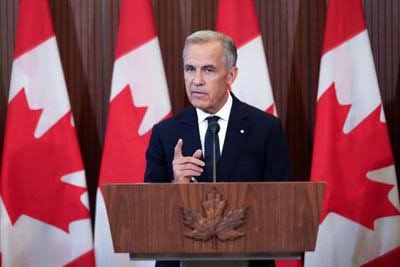
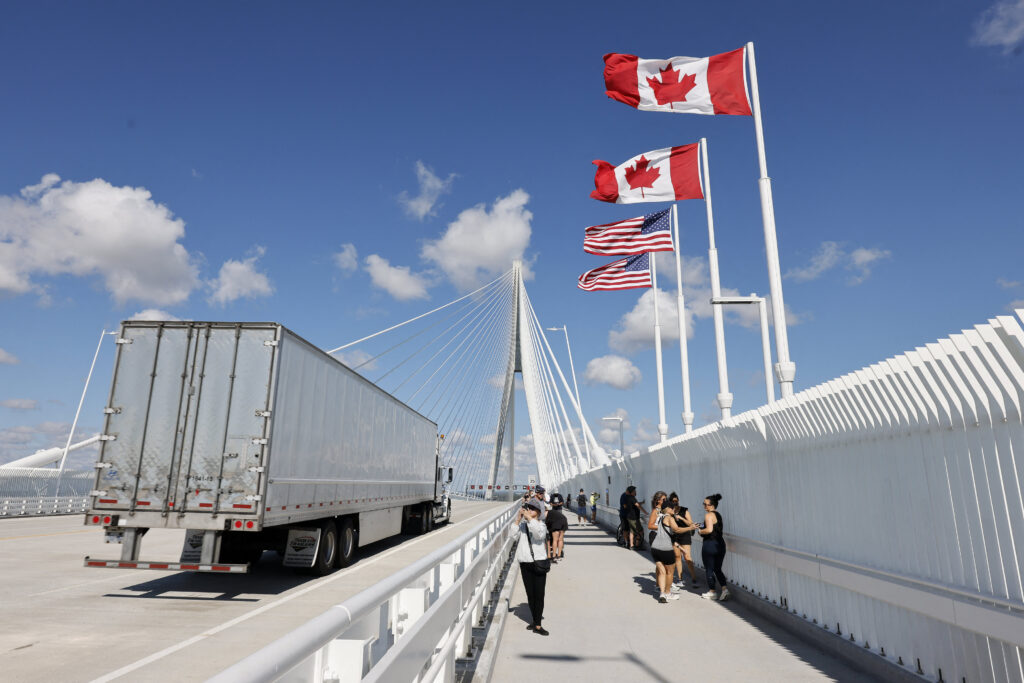
Canada’s counter-tariffs on roughly C$27.6 billion worth of United States goods took effect on September 8, 2026, marking the latest escalation in a monthslong trade dispute between the two countries. The measures were first announced by Canada’s Department of Finance on August 25, 2026, in response to tariffs the U.S. has maintained on Canadian exports.
The Canadian duties apply at rates of 15 percent, 25 percent or 50 percent depending on the product category. Goods affected include dairy products, agricultural equipment, paper products, household appliances, electronics, furniture, clothing and sports equipment such as golf clubs. U.S. steel, aluminum, iron products, furniture and clothing face the highest 50 percent rate.
Ottawa has described the countermeasures as a targeted, dollar-for-dollar response intended to match the economic impact of U.S. tariffs on Canadian goods while limiting cost increases for Canadian consumers and businesses. The federal government has also announced support measures for workers and companies affected by the ongoing trade dispute.

The tariffs add to months of back-and-forth trade actions between Washington and Ottawa, with businesses on both sides of the border warning of higher costs and supply chain disruptions as the dispute continues.
What Canada chose to tax, and why those categories
The product list is not random. Steel, aluminum, iron, furniture and clothing draw the top 50 percent rate, while dairy, agricultural equipment, appliances, electronics and golf clubs sit lower. Retaliatory tariffs are generally designed against two criteria at once: hit sectors with political weight in the other country, and avoid goods your own consumers cannot easily source elsewhere. Ottawa describing this as targeted and dollar-for-dollar, while saying it wants to limit cost increases at home, is a plain statement of that balancing act.
Who actually pays a tariff, stated plainly
Tariffs are paid by importers in the country imposing them, and the cost is typically passed to buyers there. So Canadian counter-tariffs fall first on Canadian businesses and shoppers buying American goods, not on U.S. exporters directly. The pressure on the U.S. side is indirect: American producers lose sales as their goods become less competitive in Canada. This is why trade disputes are slow and grinding rather than sharp. Each side is largely taxing its own consumers in the hope of making the other side’s producers complain loudly enough to move policy.
For American readers the practical exposure runs the other direction, through U.S. tariffs on Canadian goods and through supply chains that cross the border repeatedly before a finished product is sold. A 50 percent rate on furniture and clothing is steep enough to change purchasing decisions rather than merely trim margins, which is the threshold at which a trade measure starts reshaping behavior instead of just redistributing cost.
Sources: CNBC · Canada Department of Finance · Canada.ca product list · Blakes
Related from BeezLoop: The US Just Banned a Billion Dollars of Canadian Goods Using a Law No President Had Ever…, Canada's New Tariffs on 700 US Goods Are Now in Effect and Trump Says Bombardier Jets Can No Longer Be Sold in the US Unless the Canadian Company….