

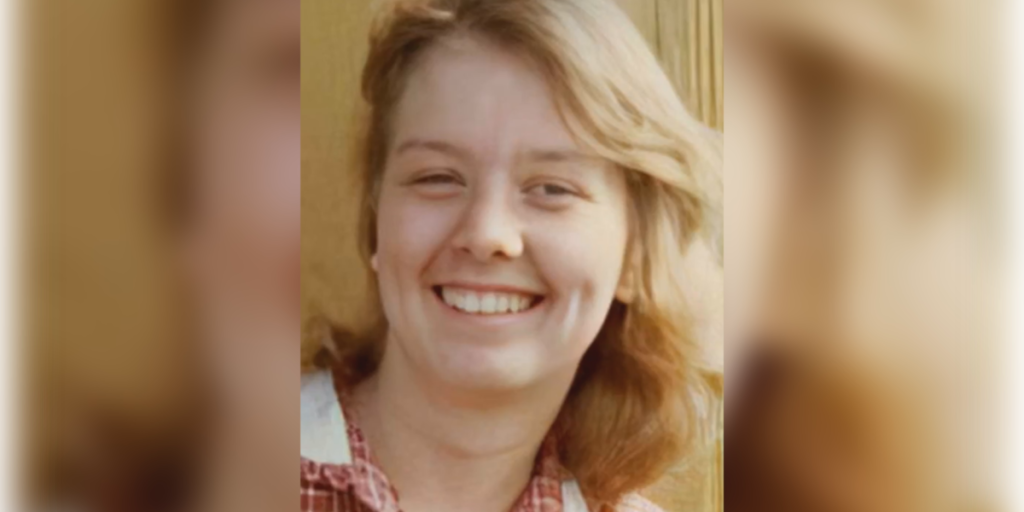
Ronna Bremer was 22 and pregnant when she disappeared nearly 40 years ago. Investigators never closed the file. This summer, DNA technology that didn’t exist when she went missing finally gave them an answer.
Ronna Bremer disappeared in 1988. She was 22 years old and pregnant at the time. For thirty-seven years, her case sat in the specific kind of limbo that defines a cold case: not forgotten, not solved, just open, revisited periodically by investigators who had run out of leads but hadn’t run out of will. On July 31, 2026, that changed. An arrest was made. The man accused of killing her and their unborn child is her ex-husband, who has not yet stood trial and is presumed innocent unless and until proven otherwise in court.
What actually broke this case open after almost four decades?
DNA testing that simply didn’t exist as an investigative tool in 1988. A break came in November 2024, when evidence collected back in 1989, physical material that had been sitting in storage for over three decades, was sent to a lab equipped with forensic genetic genealogy technology. That’s a meaningfully different capability than the DNA testing available even a decade ago. Older DNA analysis could confirm or rule out a match against a specific known suspect. Genetic genealogy can build an entire family tree from a small, partial, or degraded sample, and use it to identify someone who was never in a database to begin with. It’s the same category of technology that has cracked a wave of decades-old cases across the country in the last few years, cases everyone assumed would simply never be solved.

This isn’t the only cold case this has happened with recently, is it?
No, and that’s actually the more interesting story underneath the individual case. In Cuyahoga County, Ohio, a grand jury secretly indicted a suspect in July 2026 after advanced DNA testing and genetic genealogy sequenced a genome and developed a profile that produced new investigative leads, in a case that had also gone cold for decades. A Florida case involving a 2009 assault was also solved this year through the same category of DNA breakthrough. These aren’t isolated flukes. They’re the visible result of a specific technology maturing fast enough to start systematically working through a national backlog of cases that investigators had, realistically, stopped expecting to close.
A break in the Ronna Bremer case came in November 2024, when evidence collected in 1989 was resubmitted for advanced DNA testing, more than three decades after her disappearance.
, Case reporting, 2026
How many cold cases are actually sitting out there like this?
More than most people realize. The National Institute of Justice and various state-level estimates put the number of unsolved homicides in the U.S. in the tens of thousands, with sexual assault cases and missing persons cases adding significantly more to that backlog. Forensic genetic genealogy labs, both public and private, have been working through that backlog case by case, and cases involving preserved biological evidence, exactly what existed in the Bremer case, are the ones most likely to eventually get a second look with technology investigators didn’t have the first time around.
Why does this particular case land differently than a typical true crime headline?
Because it’s a genuinely useful data point for any family sitting with an unsolved disappearance of their own. The pattern in these breakthrough cases keeps repeating: evidence collected decades ago, properly preserved even without knowing when or whether the technology to use it would exist, eventually became the exact thing that cracked the case. That’s not a small detail. It’s the practical argument for why cold cases stay formally open instead of quietly closed, and why families are increasingly encouraged to periodically check in with investigating agencies about whether newer DNA techniques could be applied to evidence that’s been sitting in storage for years, sometimes decades.
What happens next in the Bremer case specifically?
The accused faces prosecution based on the DNA evidence and the genetic genealogy work that identified him. As with most of these decades-later cases, the legal process from here typically takes months, sometimes longer, as the defense has the opportunity to challenge both the forensic methodology and its chain of custody across nearly forty years. What doesn’t change, regardless of how the legal process unfolds from here, is that a family that spent thirty-seven years without an answer finally has one to pursue in court.
Quick Answers
Q. How was the Ronna Bremer cold case finally solved?
A. Advanced DNA testing and forensic genetic genealogy applied to evidence collected in 1989 led to an arrest in July 2026, nearly 38 years after Bremer disappeared in 1988.
Q. What is forensic genetic genealogy?
A. A DNA technique that can build a family tree from a small or partial genetic sample and use it to identify a suspect who was never previously in a criminal database, unlike older DNA testing that could only confirm a match against an already-known suspect.
Q. Is this part of a larger trend in cold case investigations?
A. Yes. Multiple long-dormant cold cases across the U.S., including in Cuyahoga County, Ohio and Broward County, Florida, have been solved in 2026 using the same genetic genealogy technology.