
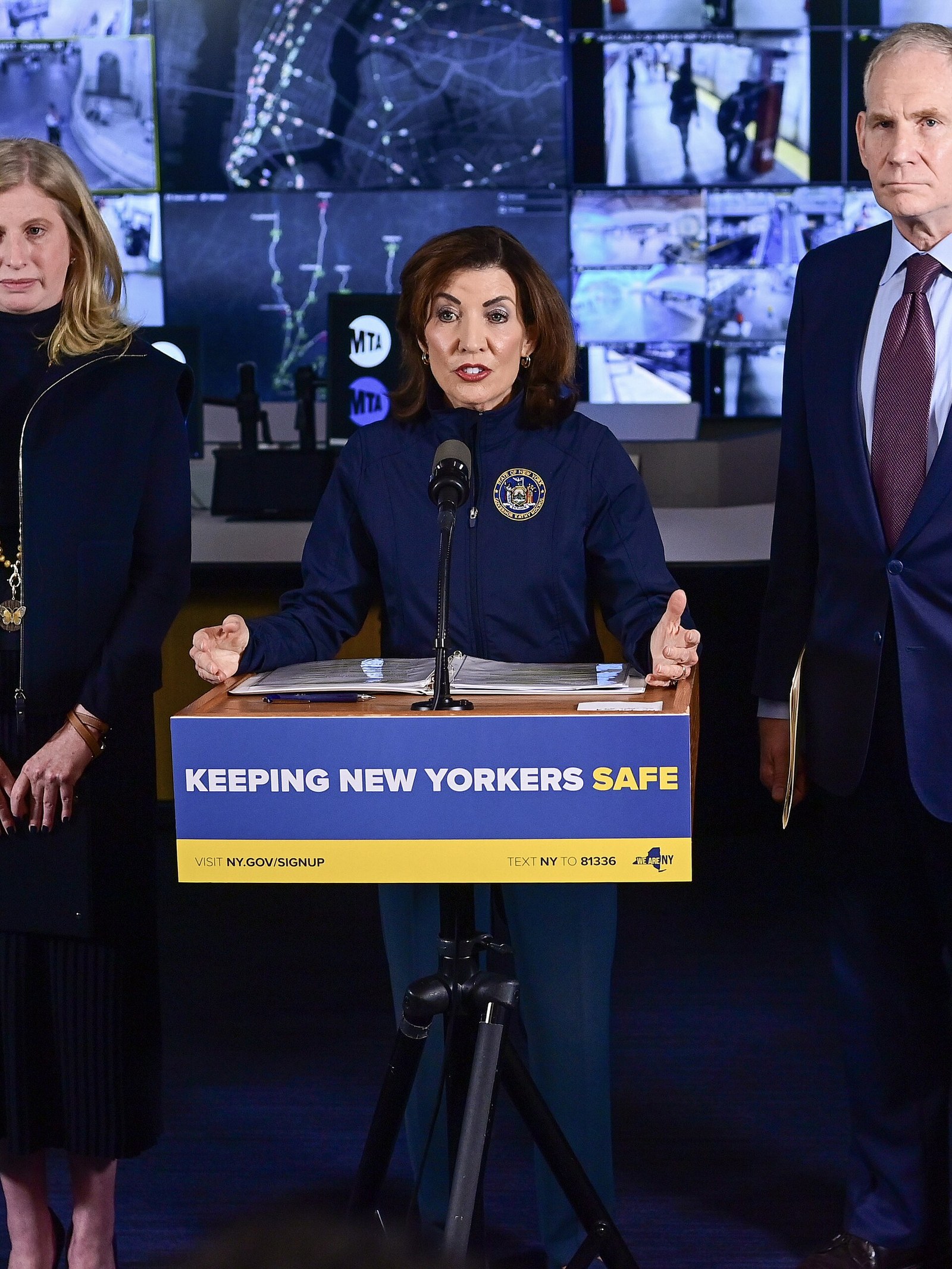
New York is banning the sale of children’s toys with built-in AI chatbots for five years. Gov. Kathy Hochul signed the law Tuesday at a toy store in Harlem, her office said. It covers talking stuffed animals, dolls and robots that use the internet to hold conversations with kids. But it doesn’t start until February, so these toys can still be sold this holiday season.
“Parents shopping for gifts for the holidays or any other occasion should not have to worry that dangerous chatbots disguised as toys could expose their children to inappropriate conversations, manipulate their feelings or put their privacy at risk,” Hochul said.
What does New York’s AI toy ban cover?
- Which toys: any toy for kids 12 and under with an “AI companion” built in, meaning a chatbot that acts like an ongoing, human-like friend, for example by remembering past conversations or asking kids emotional questions on its own, according to the bill.
- What’s banned: making, distributing, holding for sale or selling those toys in New York.
- When: the law takes effect 90 days after signing, which works out to Feb. 22, 2027, and lasts five years.
- Penalties: up to $15,000 a day per violation, enforced by Attorney General Letitia James.
The bill, S.9408A, was sponsored by State Sen. Andrew Gounardes and Assemblymember Rebecca Kassay. It passed the Senate 57-3 in June. “By pressing pause on the sale of AI chatbot toys for small children, we can take the time to study their impact on kids and create smart protections before more damage is done,” Gounardes said.


Why are AI toys considered dangerous for kids?
Because testers kept getting them to say things no parent would want. Last year, the consumer group U.S. PIRG found that FoloToy’s Kumma teddy bear, which ran on OpenAI’s GPT-4o, told testers where to find knives, pills and matches and drifted into sexual topics. The company pulled the toy and OpenAI suspended the developer. Hochul’s office said a watchdog’s tests found some toys’ safety limits “weakened the longer the conversation continued,” and some could record voices or scan faces.
At the signing, Hochul pointed to a robot called Miko 3. “When a researcher from Common Sense Media told Miko they like jumping off of high things, the robot suggested that they jump out a window or jump off the roof,” she said, according to the transcript. We couldn’t independently confirm that test result.
Should parents avoid AI toys this holiday season?
The law doesn’t apply until February, so the choice this year is yours. If a toy talks back, check whether it connects to the internet, what it records and where that data goes, and whether you can turn the chat feature off. Common Sense Media’s founder, James Steyer, put it bluntly: “stick to traditional toys and toys that encourage social-emotional development and human engagement, not AI toys.” Shopping for deals? Our guide on whether bargain shopping still works can help.
New York is the second state to do this. California Gov. Gavin Newsom signed a similar ban in September that runs until 2031, and Pennsylvania lawmakers are weighing a three-year pause. The bigger fight over how tech companies design products for kids keeps growing, as we wrote in our look at what today’s social media trends are doing to daily life.
The BeezLoop Take
A pause makes sense here. These toys put a chatbot that can say almost anything into a child’s bedroom, and the companies selling them haven’t shown they can keep those conversations safe. The weak spot is timing: the ban skips this holiday season, which is exactly when most of these toys get bought. And without a plan for checking store shelves, enforcement will depend on complaints.
Five years from now, will there be real safety standards for AI toys, or will New York just extend the ban?