
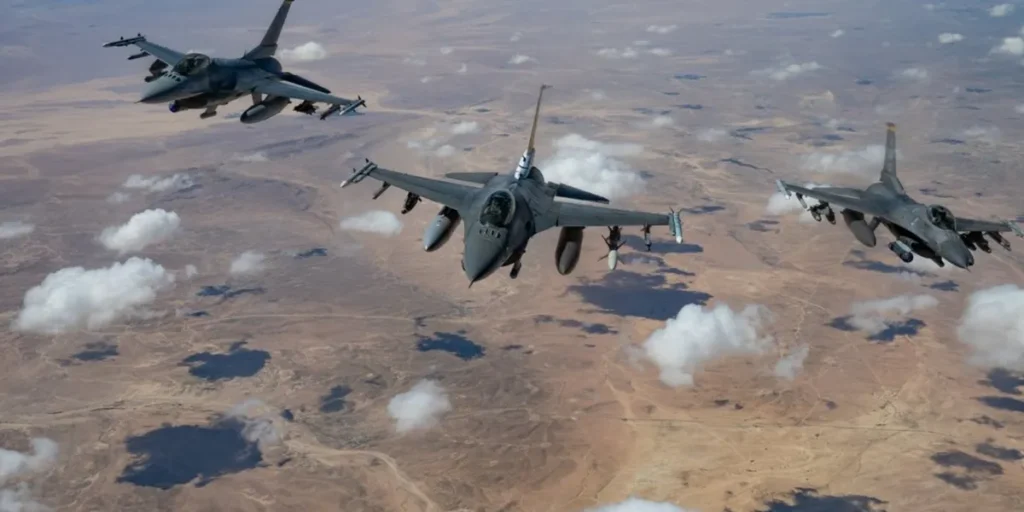
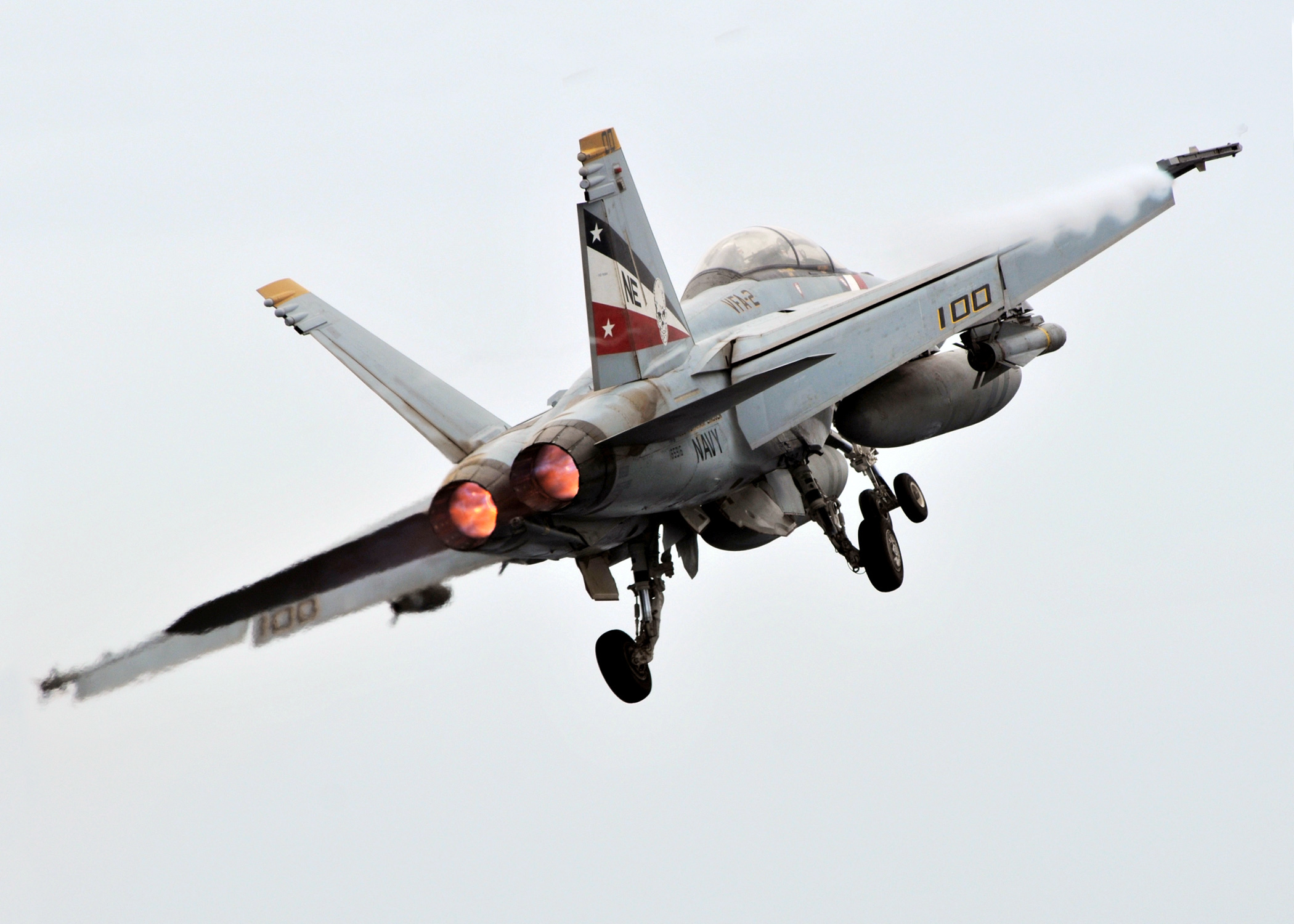
A U.S. fighter jet bombed a commercial cargo ship in the Gulf of Oman after it tried to leave an Iranian port in defiance of the American naval blockade, U.S. Central Command said. The strike hit the ship’s stern and knocked out its engines. CENTCOM says no crew members were hurt.
The ship, the Panama-flagged M/V Ocean Molica, also known as the Arika Sun, ignored repeated warnings, according to CENTCOM, as reported by ANI.
Why did the U.S. strike a cargo ship?
The U.S. has been blockading ships going to and from Iranian ports as part of the war with Iran that began in February. Ships are warned and told to turn around; those that refuse can be disabled. CENTCOM said the jet hit the Ocean Molica’s stern with a precision munition, “fully disabling the ship’s propulsion without harming the crew.”

In three months of enforcing the blockade, CENTCOM said U.S. forces have disabled four commercial ships, turned back 135 and destroyed 10 tankers tied to the Islamic Revolutionary Guard Corps’ “shadow” shipping network. It told ships in the Gulf of Oman and near the Strait of Hormuz to follow all blockade orders and keep radio contact with U.S. Navy units.
How does this affect gas and diesel prices?
Every escalation around the Strait of Hormuz keeps fuel prices high. Iran has largely closed the strait, and refined fuels like diesel are still far below prewar supply levels, energy analysts told the AP this week. That’s the backdrop for President Trump’s deal to let Russia sell more diesel, which experts say won’t change prices much.
The BeezLoop Take
CENTCOM says nobody was hurt, and a strike on a ship’s engines is far less deadly than sinking it. But bombing commercial vessels is a serious step in a war Congress never authorized, and each one raises the odds of a miscalculation with another country’s ship or crew.
Americans are paying for this war at the pump and haven’t gotten a clear answer on what victory looks like. Three months into a blockade, with ships being bombed in open water, it’s fair to ask how it ends.
The open question: what happens the first time a blockade strike kills a crew from a country that isn’t Iran?
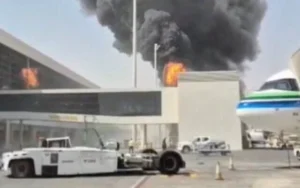
Also on BeezLoop: a missile attack on Riyadh’s airport killed 12, including an American, and Trump’s diesel deal with Putin.
Sources: ANI via The Tribune (CENTCOM statement) · The Canberra Times · Al Jazeera · Al Jazeera English (video)