

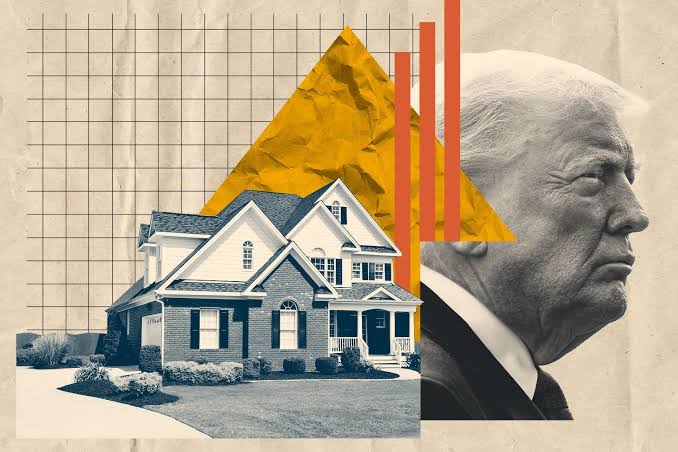
The average 30-year fixed mortgage rate is sitting at 6.67% this week, its highest point since mid-2025, and the reason has less to do with housing than with what’s happening in the Strait of Hormuz. The 15-year fixed is at 6.04%. Some trackers put the 30-year figure as high as 6.89% to 6.71% depending on the day and the survey method, but the pattern across every outlet is the same: rates have been grinding upward for a third straight week, and the culprit is oil, not the Fed’s usual talking points.
How a strait 7,000 miles away shows up on a mortgage bill
Fresh Iranian airstrikes and US retaliatory strikes around the Strait of Hormuz sent Brent crude back above $95 a barrel this week. That matters for mortgages because of a chain reaction bond traders watch closely: pricier oil feeds inflation expectations, and higher inflation expectations push investors to demand more yield on long-term Treasury bonds to compensate for the risk that their money will be worth less later. The 10-year Treasury yield climbed to 4.79%, its highest closing level since January 2025, and mortgage rates track the 10-year almost in lockstep because lenders price 30-year loans off that same long-term borrowing cost.
It’s the same mechanism that pushed gas prices to a record $4.14 a gallon over Labor Day weekend. Different bill, same root cause. The Iran conflict keeps taxing household budgets in ways that don’t show up as a line item labeled “war,” they show up as a bigger number at the pump and now a bigger number on a 30-year loan estimate.
What this means if you’re buying a house right now
A jump from the low-6% range to the high-6% range sounds small until it’s translated into a monthly payment. On a $400,000 loan, the difference between 6.0% and 6.7% adds roughly $180 to $190 to the monthly payment, money that either comes out of a buyer’s budget elsewhere or prices them out of the home they were looking at altogether. Real estate agents and lenders quoted across the mortgage coverage this week describe a market where buyers who were already stretching to qualify are now getting requoted at higher payments mid-search, and some are walking away from deals they’d all but signed.
Refinancing is even less appealing at the moment. Refinance rates have been running notably higher than purchase rates this month, in some cases above 7%, which leaves homeowners who bought during the low-rate years of 2020 and 2021 with little incentive to touch their existing loans.
Could rates actually top 7%?
Housing economists quoted this week aren’t ruling it out. The combination of a Fed that has openly declined to take further rate hikes off the table, persistent inflation running above target, and an oil shock with no clear end date has several forecasters penciling in a run above 7% before the end of fall, with rates expected to hold in the mid-to-high 6% range through the rest of 2026 and into 2027. None of that is locked in. Treasury yields can fall as fast as they rise if the Hormuz situation cools off or the strikes stop escalating, and mortgage rates would likely follow within days. But right now there’s no sign of that de-escalation, and the bond market is pricing in more of the same.
For anyone house hunting this fall, the practical takeaway is less about timing a bottom that may not come and more about budgeting for a rate that could still move against you between a preapproval and a closing date. Locking a rate as early as a lender allows, and building in room for a higher payment than the number quoted at first contact, is the kind of unglamorous advice that’s holding up better than any prediction about where the Fed goes next.
Sources: Nora Da Real Estate · Habitat Magazine · Bankrate · BeezLoop: Record Gas Prices Aren’t a Blip