
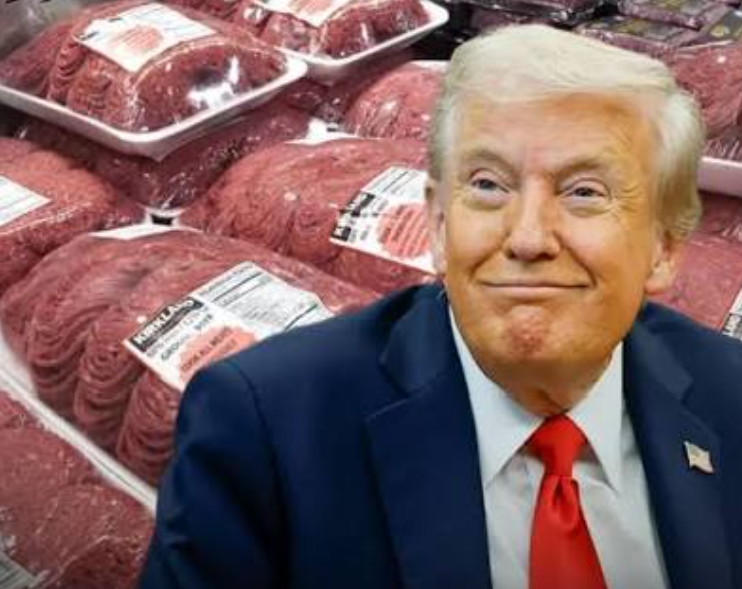
President Trump signed a proclamation Thursday temporarily lifting tariffs on up to 300,000 metric tons of imported lean beef trimmings, effective September 1, in an effort to bring down record ground beef prices ahead of the midterms, a move that has drawn immediate, bipartisan-flavored backlash from American ranchers and farm-state Republicans.
What the Proclamation Does
The pause applies specifically to lean beef trimmings, the cuts blended with domestic fat to make ground beef, and expands the duty-free import quota to 300,000 metric tons for 90 days starting September 1. The White House framed the move as a targeted step to ease grocery costs rather than a broad rollback of its trade agenda.
Why Ranchers Are Furious
Cattle groups and GOP lawmakers from farm states said the move undercuts the same domestic producers the administration has otherwise pledged to protect. Montana Republican Sen. Tim Sheehy said “American ranchers have been struggling against the packer monopoly for decades, and this will further harm them.” Nebraska GOP Sen. Deb Fischer said grocery prices can’t be lowered “at the expense of American producers,” adding that “flooding the market with foreign beef hurts our livestock industry.” One agriculture group statement called the move “bad for consumers, destructive for ranchers and anti-American in principle.”

The Underlying Problem
The tariff pause doesn’t address the root cause of high beef prices: a U.S. cattle herd that has shrunk to its smallest size in 75 years after years of drought and high feed costs. Ranchers argue that letting in cheaper foreign trimmings removes their incentive to rebuild herds, potentially prolonging the supply shortage rather than fixing it.
What Happens Next
The 90-day window expires in late November, after which the administration will have to decide whether to extend the pause, let tariffs snap back, or pursue a longer-term policy change. With the midterms falling in that same window, both the price relief and the rancher backlash are likely to remain live political issues through the fall.
Related from BeezLoop: The US and China Just Moved Their Tariff Deadline Two Months, Trump Blamed China for the Fentanyl Crisis and The US Just Banned a Billion Dollars of Canadian Goods Using a Law No President Had Ever….